— Ben Laube Homes Blog
Market insight & Florida-specific guidance.
Notes on market direction, Florida-specific buying + selling nuance, and the day-to-day realities of the Central Florida, Tampa Bay, and St. Petersburg housing markets — written by Ben Laube, an eXp Realty broker working these markets daily.
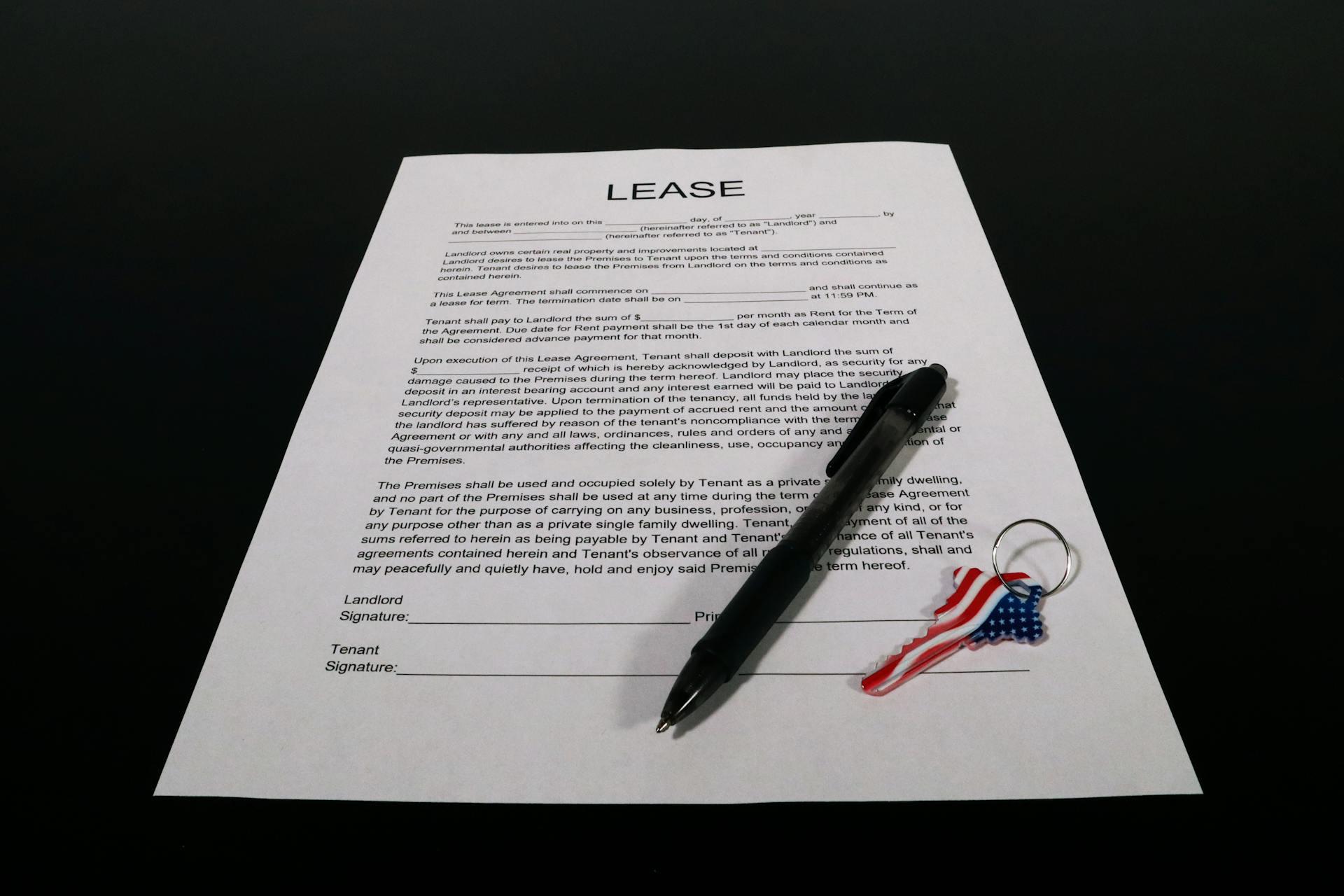
How to Sell a Tenant-Occupied Rental Property in Florida
Selling a Florida rental with a tenant in place means reading every line of the lease, building an investor package with current rent, NOI, and cap rate, giving proper notice for showings, and handling the security deposit transfer and prorations correctly at closing — or planning a vacancy-first strategy for retail buyers.

Selling a House with Code Violations in Florida
Yes, you can sell a Florida home with code violations — but the violation type determines your path. Fines and enforcement liens must be resolved at or before closing. Unpermitted work requires disclosure. Sellers typically choose to remediate, price it in, or negotiate a credit. A real estate attorney should review any lien before you list.
Selling a House with Open Permits in Florida
Yes, you can sell a Florida home with open permits — but an open permit found during a title search can stall your closing or kill a financed buyer's deal. The path forward depends on whether the permit is still active, expired, or simply never finaled. Here's what to do.
Selling a House with Unpermitted Work in Florida
Yes, you can sell a Florida home with unpermitted work — but you must disclose it. Your options are retroactive permitting, pricing the issue in, or selling as-is to a cash buyer. Each path has a different cost, buyer pool, and timeline. Here's how to decide.

Does a Lease Survive the Sale of a House in Florida?
In Florida, a fixed-term lease generally survives the sale of a rental property. The new owner steps into the landlord's role and must honor the existing lease until it expires. Month-to-month tenancies are different — the new owner can typically terminate with 15 days' written notice before the end of the rental period.

Disney-Area Airbnb Math: What 50 Storey Lake Hosts Actually Clear
A 5-bedroom pool home in Storey Lake can gross $65,000–$85,000 per year on Airbnb. After platform fees, cleaning, management, property tax, STR insurance, HOA, and mortgage service, most investors land between -$4,000 and +$10,000 annual cash flow. Here is the actual math, and why that range matters.
Florida DSCR Loans 2026 — Rates, Requirements, Real Examples
DSCR loans let Florida investors qualify using rental income instead of W-2s. In 2026, rates range from 7.0% to 8.5% depending on your ratio tier. At the 1.15–1.25 threshold, you are in rate-bump territory — and Florida's insurance costs make that gap tighter than most lenders advertise.
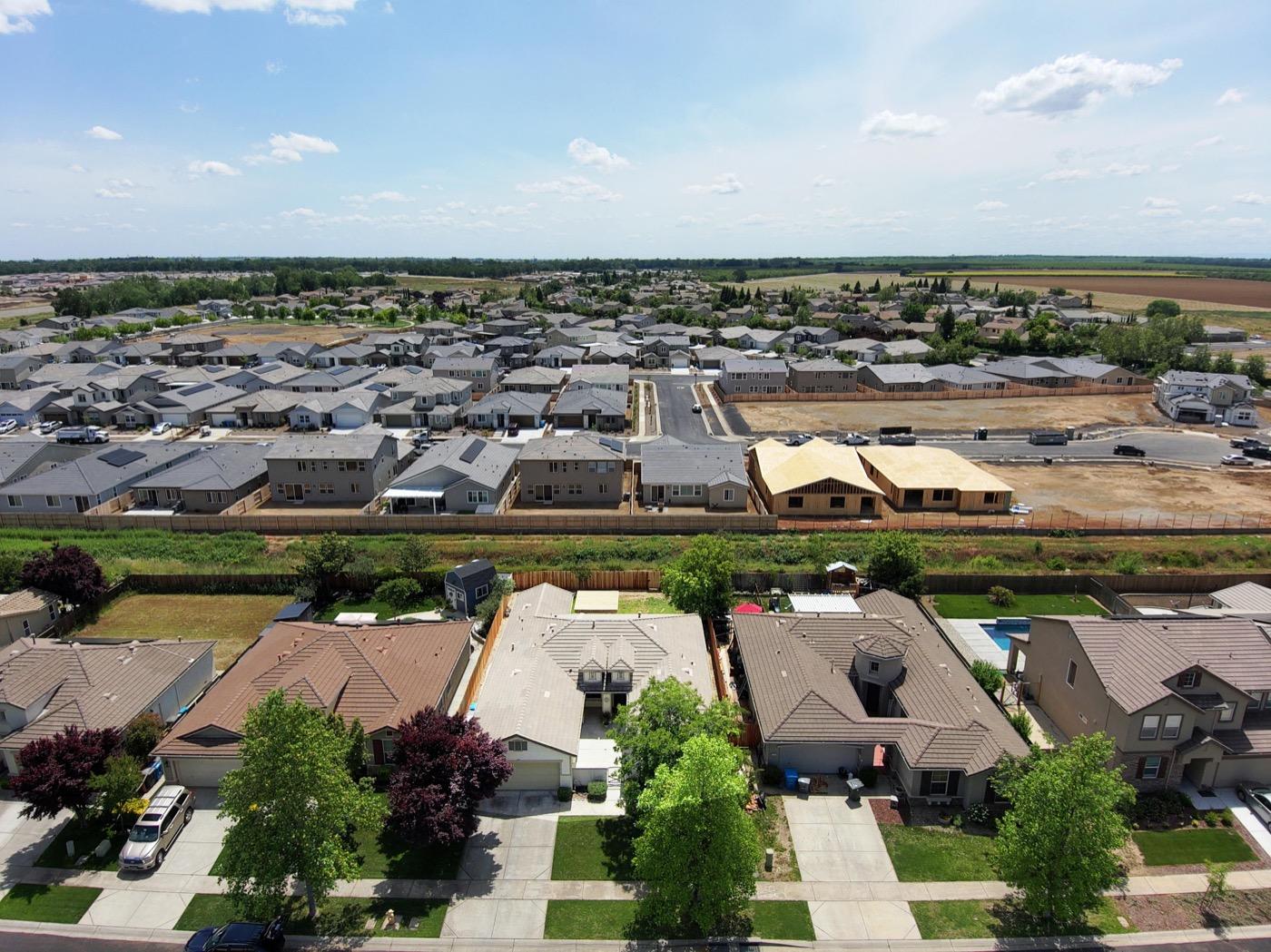
Central Florida Home Builders Compared: Lennar, Pulte, Meritage, Dream Finders, and More
Shopping for a new-construction home in Central Florida? This guide covers every major active builder — Lennar, D.R. Horton, Pulte, Meritage, Dream Finders, Toll Brothers, and more — with price bands, strengths, and honest buyer complaints.

Builder Rep vs. Your Own Buyer's Agent: Who Actually Represents You at the Model Home
The sales rep at the model home works for the builder — full stop. Florida law says so, and it matters before you sign anything. Here is what a buyer's agent actually does in a new construction deal, what happens if you walk in unrepresented, and why the builder's commission budget is already allocated whether you bring an agent or not.
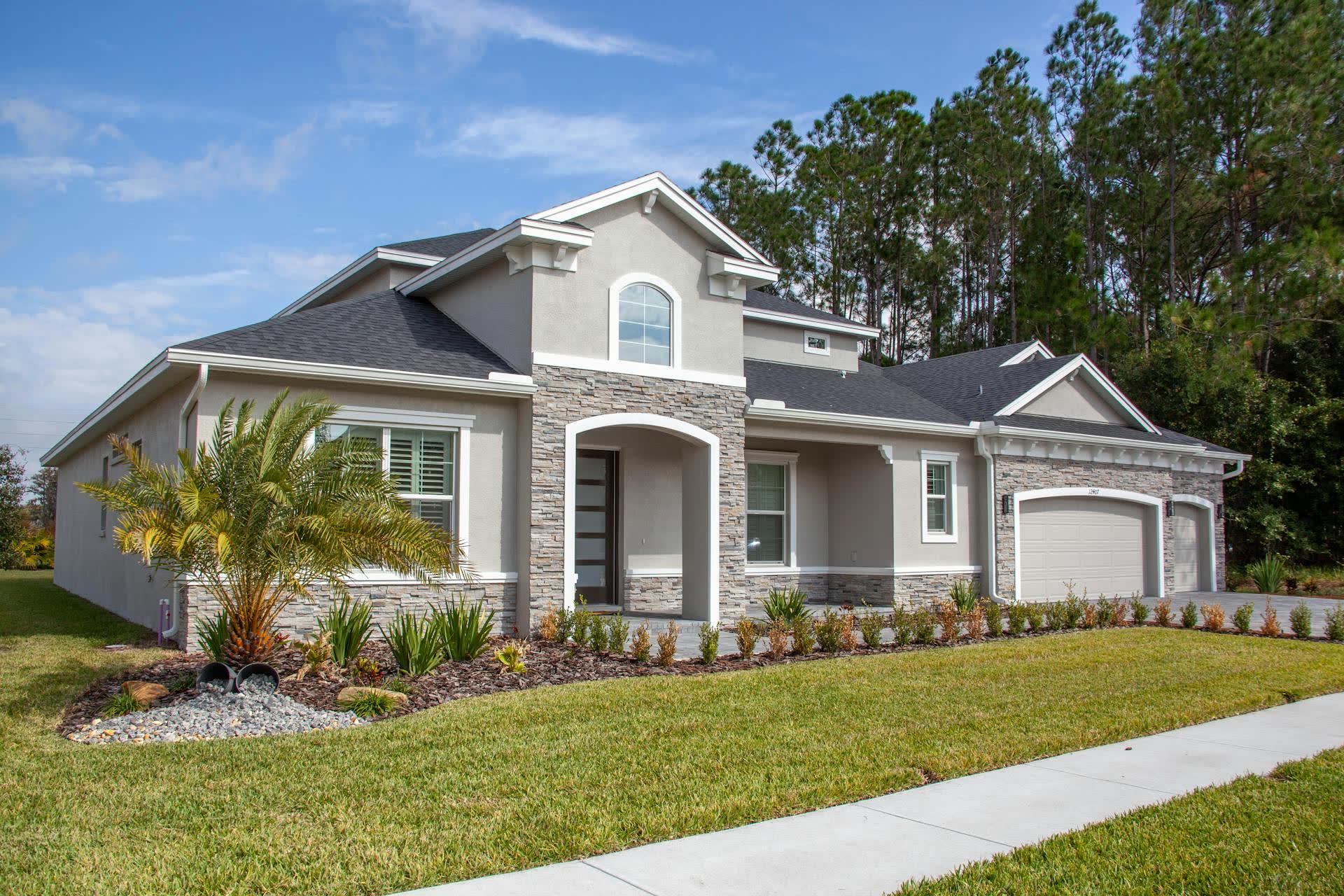
Curb Appeal for Florida Sellers: What Actually Moves Price
First impressions in Florida are not the same as the rest of the country. Heat, humidity, and HOA rules change what works. Here is what actually moves price — from palm selection to pavers to pressure washing before the MLS photographer shows up.

LGBTQ+ Homebuyer Guide for Florida: Rights, Protections, and What to Watch For
Florida has no statewide housing non-discrimination law protecting LGBTQ+ buyers. But federal Fair Housing Act protections do apply — and knowing where the gaps are helps you shop smarter, vet your agent, and title a home correctly as an unmarried couple.
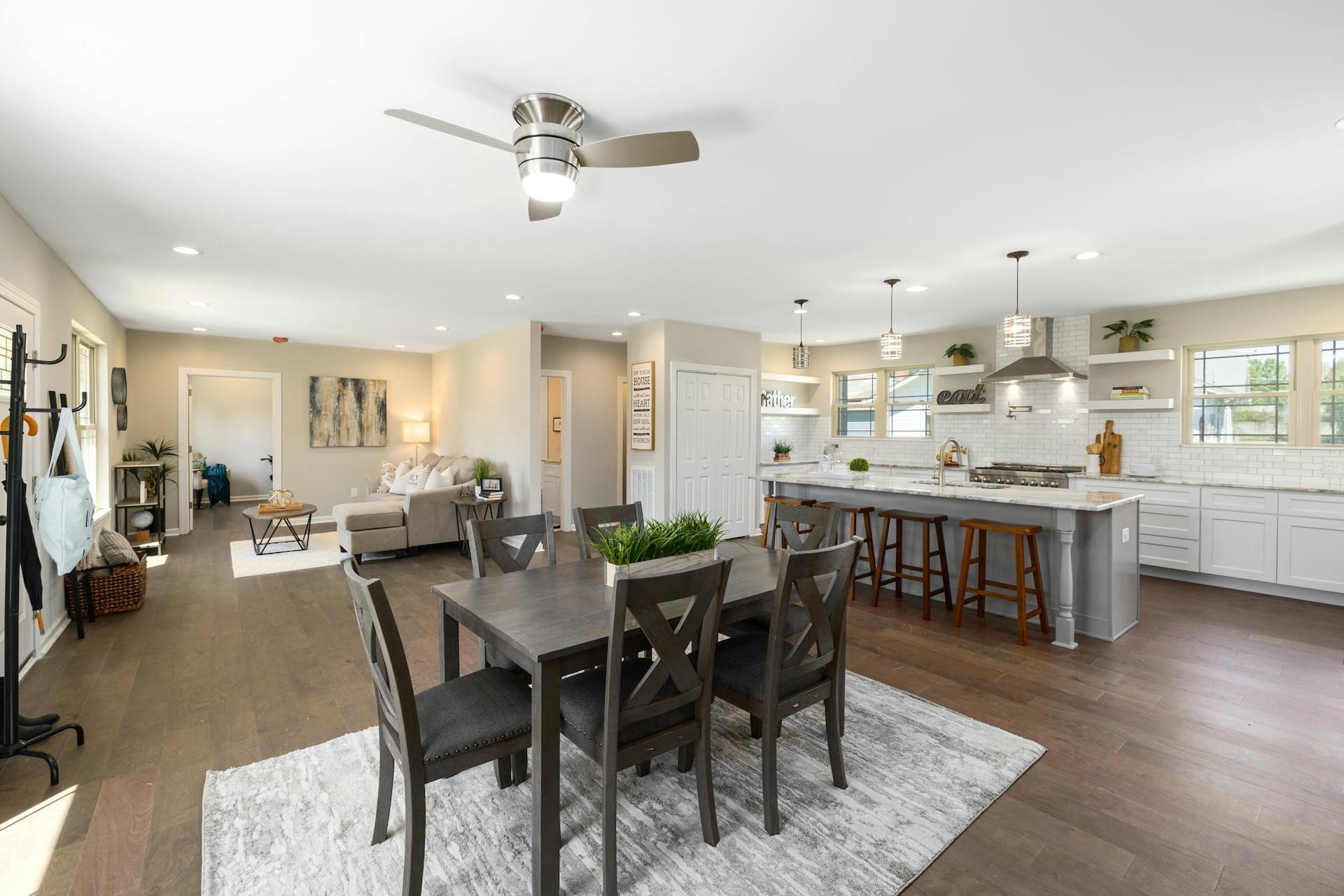
Multigenerational Homes in Florida: ADU Rules, Builder Options, and Floor Plan Tips
About 17% of U.S. buyers now purchase a multigenerational home. In Florida, a new state law effective July 2025 makes it easier to add an in-law suite or ADU to almost any single-family lot. Here is what buyers searching for multigenerational homes in Tampa, Orlando, and Central Florida need to know.

Florida Real Estate Disclosure Requirements: What Sellers Must Tell Buyers
Florida sellers must disclose any known material defect that affects property value and cannot be spotted in a normal walkthrough — a rule rooted in Johnson v. Davis (1985). This covers what counts as a material defect, which disclosures are required by statute, and where sellers most often run into trouble.

Mold and Water Damage Disclosure in Florida Real Estate
Florida has no stand-alone mold disclosure statute — but sellers are still legally required to disclose known mold and water damage under Johnson v. Davis (1985). Here is what that means for sellers filling out the FAR/BAR disclosure form, and what buyers should order before they close.

How to Sell Your Home in Florida: 7 Strategic Tips for 2026
Florida sellers face a different set of decisions than sellers anywhere else — humidity-driven pricing adjustments, hurricane-season timing, the post-NAR commission shift, and buyer anxiety around insurance. Here is how to think through each one before you list.

Mortgage Types for Florida Homebuyers: A Plain-English Guide
Florida homebuyers have more loan options than most realize — conventional, FHA, VA, USDA, jumbo, ARM, and specialty programs each fit different situations. This guide covers how each works, the 2026 FL loan limits, and which type fits your credit score, down payment, and property.

FHA vs. Conventional Loan in Florida: Which One Is Right for You?
FHA loans are easier to qualify for but carry lifetime mortgage insurance if you put down less than 10%. Conventional loans cost less over time for buyers with decent credit and equity. Here is what the comparison looks like for Florida buyers in 2026.

Miami-Dade 40-Year and Broward 50-Year Condo Recertification: What Buyers Need to Know
Miami-Dade has required 40-year building recertification since 1975. Broward adds a 50-year follow-up. Here is what those inspections cover, how much repairs cost, and the five questions every condo buyer should ask before making an offer.

Before You List: A Florida Seller Pre-Sale Checklist
A task-by-task Florida seller checklist organized by timing — 3 months out through the morning of your first showing. Covers AC service, roof documentation, FAR/BAR disclosure, permit history, and the permit audit that can kill a deal at the closing table.

Florida Condo Milestone Inspection Law: What SB-4D Means for Every Buyer
Florida Statute 553.899 — the milestone inspection law enacted after the 2021 Surfside collapse — applies statewide to every condo and co-op three stories or taller. Here is what the law requires, when inspections trigger, and the questions you must ask before buying any condo 25 years or older in Florida.

What Makes a Home Senior-Friendly in Florida?
Florida has more adults over 65 than any other state. Whether you are buying for yourself or a parent, knowing which home features actually matter for aging in place — single-story layouts, no-step entries, walk-in showers, lever handles, and AC reliability — saves time and money.

Open House Tips for Buyers and Sellers in Florida
Open houses work differently when the market is moving and the climate runs hot. Whether you are touring a home or hosting one, here is what to do and what to skip in Central Florida and Tampa Bay.

Florida Home Insurance and Sinkholes: What's Actually Covered
Florida law requires all homeowners' policies to include catastrophic ground cover collapse coverage — but that only pays out in extreme cases. Sinkhole loss coverage is different, optional, and usually costs extra. Here's how to know which one you have and whether it's enough.

VA Loans in Florida: A Practical Guide for Veterans Buying a Home
Yes, VA loans work in Florida — and they are one of the best financing tools available for veterans buying here. No down payment, no PMI, and Florida-specific rules around funding fees, property inspections, and disabled-veteran tax exemptions that most national guides never explain.

Hurricane Preparation Checklist for Florida Homeowners
Florida hurricane season runs June 1 through November 30. This checklist walks Central Florida and Tampa Bay homeowners through exactly what to do at 72 hours out, 24 hours out, and post-storm — plus the year-round prep that saves money on insurance.

St. Petersburg Waterfront Neighborhoods: A Neighborhood-by-Neighborhood Guide
St. Pete has more distinct waterfront neighborhoods than any city in Tampa Bay — and they are not interchangeable. Flood exposure, boat access, price, and architecture vary sharply from one street to the next. Here is the honest breakdown across 11 neighborhoods.

How Much to Offer Over Asking Price in Florida
Whether to offer over asking — and how much — depends entirely on your market temperature. In a Florida buyer's market you can often go under ask and ask for concessions. In a seller's market, going over may be table stakes. Here is how to read the signals and size the number.

How to Stage a Home for Sale in Florida
Staging a home in Florida is not the same as staging one in Minnesota. The climate, the floor plans, and the outdoor-living culture all demand a different approach. Here is what actually moves the needle for Florida sellers.

Florida Seller Closing Costs: A Fee-by-Fee Breakdown
Florida sellers typically keep 6–9% of the sale price after closing costs and commission — but the exact number depends on your county, your HOA, and how you handle buyer-agent comp post-NAR settlement. Here is exactly what you will pay, line by line.

Summer Home Maintenance for Florida Homeowners: AC, Pool, Humidity, and Storm Prep
Florida summers run May through September — six months of 90-degree heat, daily afternoon thunderstorms, and humidity that never really breaks. Here is the maintenance checklist Central FL and Tampa Bay homeowners should work through to keep their homes running and protected.

Spring Home Prep for Florida Homeowners: AC, Pool, Irrigation, and Hurricane Season
Florida does not have a real winter to recover from, but spring still brings a hard deadline: June 1, hurricane season. Here is the checklist — AC tune-up, irrigation walkthrough, pool opening, landscaping trim, and hurricane supply audit — to get ahead of the heat and the storms.

Selling Your Florida Home in Fall or Winter: Why the "Spring Market" Myth Doesn't Apply Here
National advice says wait until spring to list. Florida runs on a different calendar — snowbird demand peaks October through March, competition drops, and motivated buyers show up with cash. Here's how to use the Florida selling season to your advantage.

Best Orlando Neighborhoods for Families in 2026
Orlando spans four counties and hundreds of neighborhoods — not all of them equal for families. This guide covers 11 areas where schools, safety, and livability actually hold up under scrutiny, from Baldwin Park to Lake Mary, with realistic price ranges and commute notes for each.

Moving to Orlando from Out of State: What to Know Before You Sign
Orlando draws more out-of-state buyers than almost any other metro in the Southeast — partly the weather, partly the no-income-tax math, partly remote work untethering people from NY, NJ, IL, and CA. Here is what I wish every relocation client had read before their first Zillow search.

Tampa's Best Historic Neighborhoods: Hyde Park, Seminole Heights, Tampa Heights, and Ybor City
Hyde Park, Seminole Heights, Tampa Heights, and Ybor City each have distinct architecture, price points, and personalities. Here's what actually separates them — and how to figure out which one fits your move.

Moving to Tampa from Out of State: What You Need to Know
Tampa draws tens of thousands of out-of-state movers every year — mostly from New York, California, and the Northeast. No state income tax and lower housing costs are real. So are hurricane season, insurance sticker shock, and traffic on I-275. Here is the honest version.

Moving to St. Petersburg, FL from Out of State: What to Know Before You Sign
St. Petersburg is a real city with a real art scene, walkable downtown, and serious waterfront access — but flood zones, insurance costs, and school zoning realities catch out-of-state buyers off guard. Here's the unfiltered guide.

1031 Exchange for Florida Real Estate Investors: The Complete Guide
A 1031 exchange lets you sell an investment property and defer capital gains tax — potentially indefinitely — by rolling the proceeds into a like-kind replacement property. Here is how the rules work, what Florida investors need to know, and where the math can go sideways.

Which Contingencies to Waive — and Which to Keep — When Buying in Florida
Waiving contingencies can make your offer stand out — but each one you drop puts real money at risk. Here's how to think through the inspection, financing, and appraisal contingencies in a Florida purchase.

How to Win a Bidding War in Florida: Offer Tactics That Actually Work
Multiple offers are still common on well-priced Florida homes, even as the broader market cools. These are the specific tactics — price, terms, and timing — that help buyers compete without overpaying or waiving protections they cannot afford to lose.

Pre-Approval vs. Pre-Qualification: What the Difference Means in Florida
Pre-qualification is a conversation; pre-approval is a commitment. In Florida’s competitive markets, sellers and listing agents can tell the difference instantly — and which letter you bring to an offer changes how you’re treated at the table.

Florida Hurricane Insurance: Wind, Flood, and Citizens Explained
Florida hurricane insurance is not one policy — it is three overlapping coverages: your homeowners wind policy, a separate flood policy, and possibly Citizens as your insurer of last resort. Here is how they interact and what to verify before storm season.

Florida's Save Our Homes Cap: How Homestead Protects You from Tax Spikes
Florida's Save Our Homes cap limits assessed value increases to 3% per year for your primary residence. File for homestead by March 1 and you'll never see runaway tax spikes — but skip it and pay full market rate every year.

Florida Wind Mitigation Inspections: How the Report Saves You Thousands
A wind mitigation inspection costs $75–$150 and can cut your homeowners insurance premium by hundreds of dollars a year. Most Florida buyers skip it — and overpay for years. Here is what the report covers and how to use it.

The Florida Home Inspection Checklist: What Your Inspector Should Actually Look For
A good inspector finds things — the question is which category each finding falls into. Here is what Florida buyers need to evaluate in the report, from roof age and 4-point insurance hurdles to AC life expectancy and the difference between a cosmetic stucco crack and a structural one.

Florida HOA 101: What You're Really Paying For (and the CDD Trap)
HOA fees are Florida's biggest surprise for out-of-state buyers — but CDDs are the trap most never see coming. Here's exactly what you're paying for, what typical ranges look like in Tampa Bay and Central FL, and how to spot a CDD before you make an offer.

The Florida Real Estate Closing Process, Step by Step
Florida closings take 30–45 days for financed purchases and as few as 10 for cash. Here is what happens at each stage — from the escrow deposit through the closing table — and what to watch for so nothing derails your timeline.

Title Insurance in Florida: Owner vs. Lender, Who Pays, and Why It Matters
Title insurance sounds boring until the day you need it. In Florida, rates are state-set and every company charges the same premium — but who pays, what's covered, and whether you even need an owner's policy are questions most buyers get wrong.

First-Time Home Buyer Guide to Florida Real Estate
Buying your first home in Florida is different from anywhere else — flood zones, wind insurance, CDDs, and Hometown Heroes grants are all part of the deal. Here's the plain-English breakdown, from credit score to closing day.

Florida Flood Zones, Explained: What X, AE, and VE Mean for Your Insurance
Every Florida home has a FEMA flood zone designation — and that two-letter label can add $2,000 to $10,000 a year to your cost of ownership. Here is what X, AE, AH, and VE actually mean, how to look up any address, and what you can do if you want to challenge the map.

What Is a 4-Point Inspection (and Why Florida Insurers Require It)?
Florida insurers routinely require a 4-point inspection before writing a policy on homes 25+ years old. Here's what gets checked, what it costs ($75–$150), and what happens when the inspector finds something wrong.

Buying a Waterfront Home in Florida: What to Check Before You Fall in Love
Waterfront is 20% of the price of a home. Before you make an offer, you need to know who owns the seawall, whether the dock permits are current, and what your flood insurance will cost — because these numbers move fast in Florida.

Earnest Money in Florida: When You Get It Back and When You Don't
In Florida, most buyers get their earnest money back if they cancel during a valid contingency window and give proper written notice. Once contingencies expire, that deposit is at risk. Here is exactly when each scenario applies under the FAR/BAR contract.

Semi-Custom vs. Production Builder in Florida: Which Tier Fits Your Budget?
Florida new construction breaks into three tiers: production builders ($180–260/sqft), semi-custom builders ($250–350/sqft), and fully custom ($400–700+/sqft). Each tier trades price against flexibility. Here is how to match the tier to your situation.

Dock and Boat Lift Permits in Florida: What Every Waterfront Owner Needs to Know
Yes, you almost certainly need a permit to build a dock in Florida. Most single-family docks go through three separate review layers: your county or city building department, the Florida DEP, and sometimes the Army Corps of Engineers. Expect $500–$2,500 in permit fees plus engineering costs.

Florida Owner-Builder Rules: What You Can (and Can't) Do Under FS 489.103
Florida law lets property owners build or improve their own home without a GC license — but the exemption has a hard 1-year resale restriction, a required disclosure form for subs, and real workers' comp exposure most people don't expect. Here's exactly how it works.

Citizens Property Insurance: Who Qualifies and When to Leave
Citizens Property Insurance is Florida's insurer of last resort — not a first choice. You can only qualify if private carriers charge 20% or more above Citizens' rate. Here's how eligibility works, what a depopulation offer means, and when staying with Citizens is actually the right call.
Citizens Depopulation in Florida: What to Do When You Get a Takeout Offer
Citizens Property Insurance is actively moving Florida homeowners to private carriers through its depopulation program. Here is what the 20% rule means for you, how rate caps work, and whether you should accept a takeout offer or fight to stay.
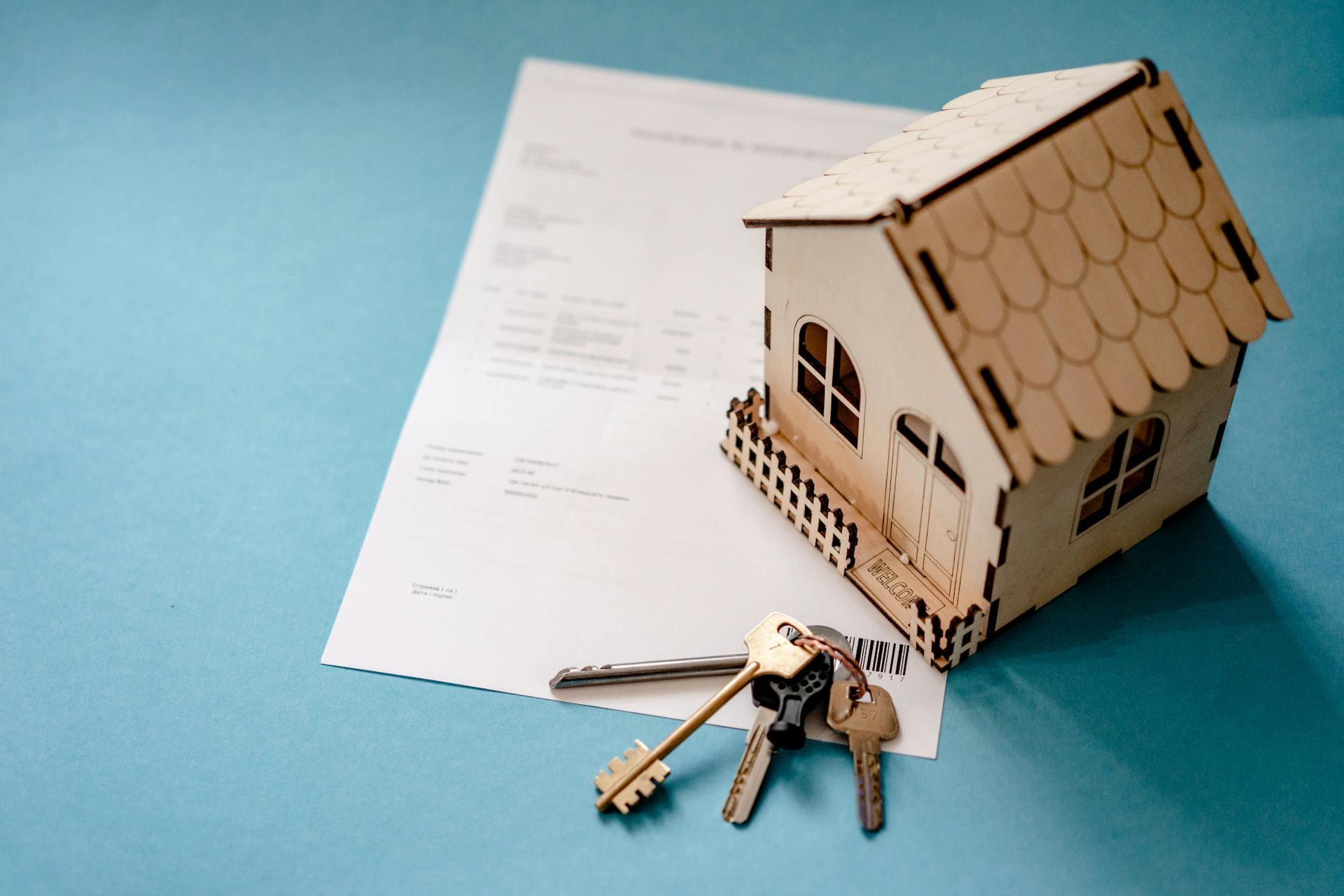
Post-Closing Occupancy Agreement in Florida: What Buyers and Sellers Need to Know
Yes, a seller can stay in the house after closing in Florida — but only with a signed post-closing occupancy agreement. Here is how the daily rate, security deposit, 60-day Chapter 83 threshold, and FAR-BAR Comprehensive Rider F actually work.
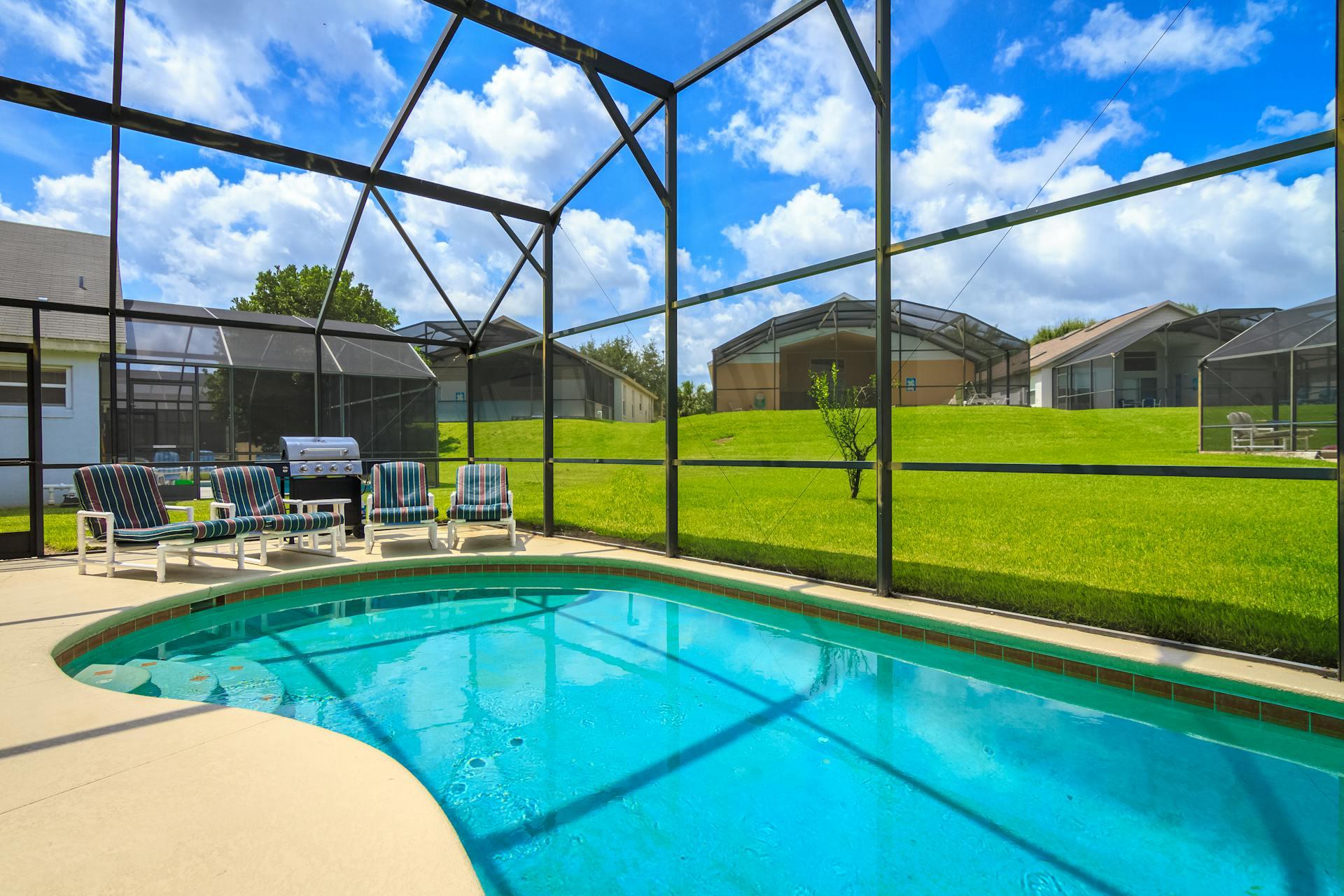
Buying a Vacation Rental in Florida: ROI Math, Top Markets, and How to Finance It
Florida vacation rentals can generate $45K–$80K+ gross annually, but the math only works if you pick the right market and structure the deal correctly. Here's how to evaluate Disney-area communities, Gulf-coast beach towns, and DSCR financing.
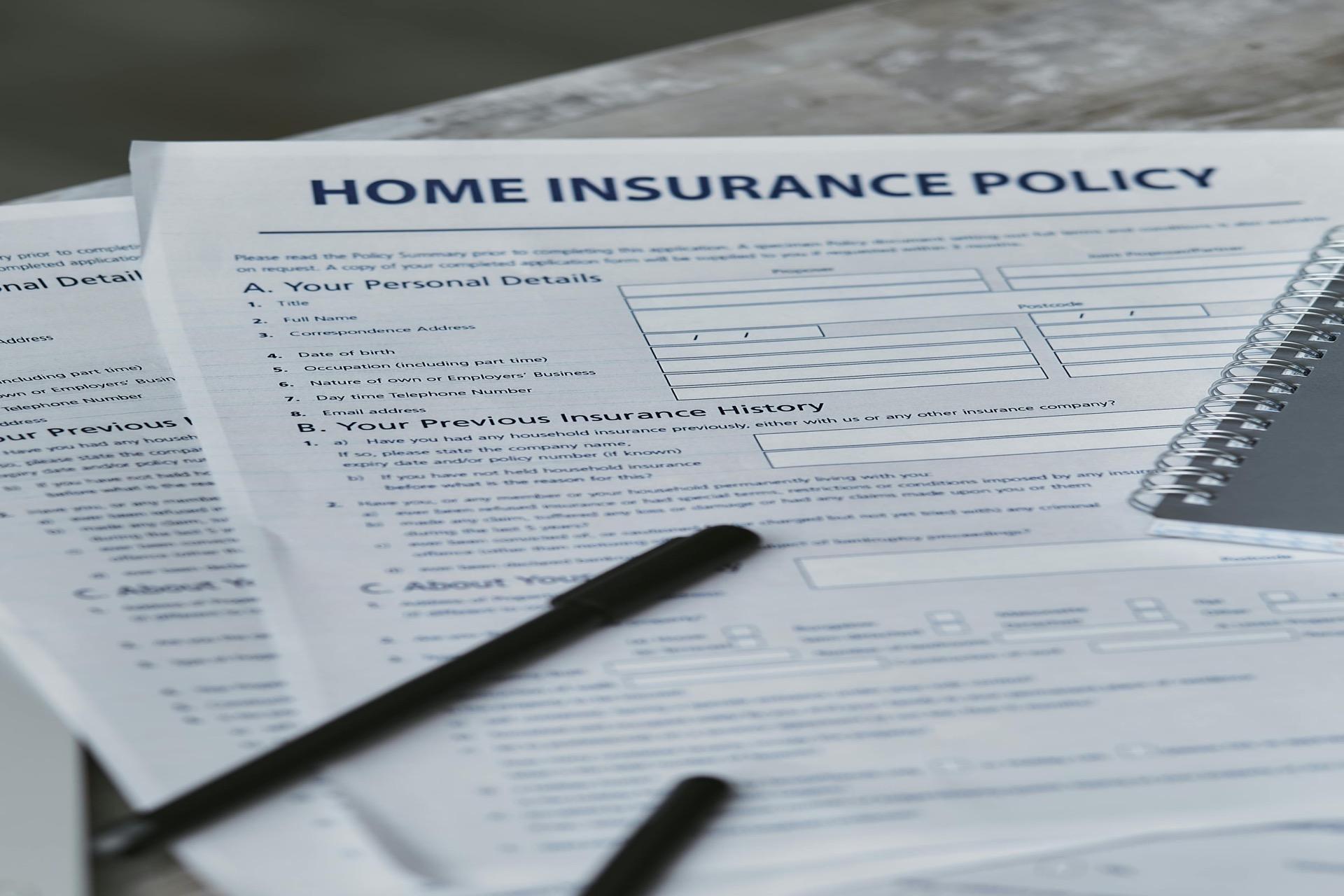
Assignment of Benefits in Florida: What Homeowners Need to Know After the Ban
Florida banned new assignment of benefits agreements in December 2022. SB-2A ended the contractor-led AOB model that drove a decade of insurance fraud. Here is what that means for your roof and water-damage claims today.
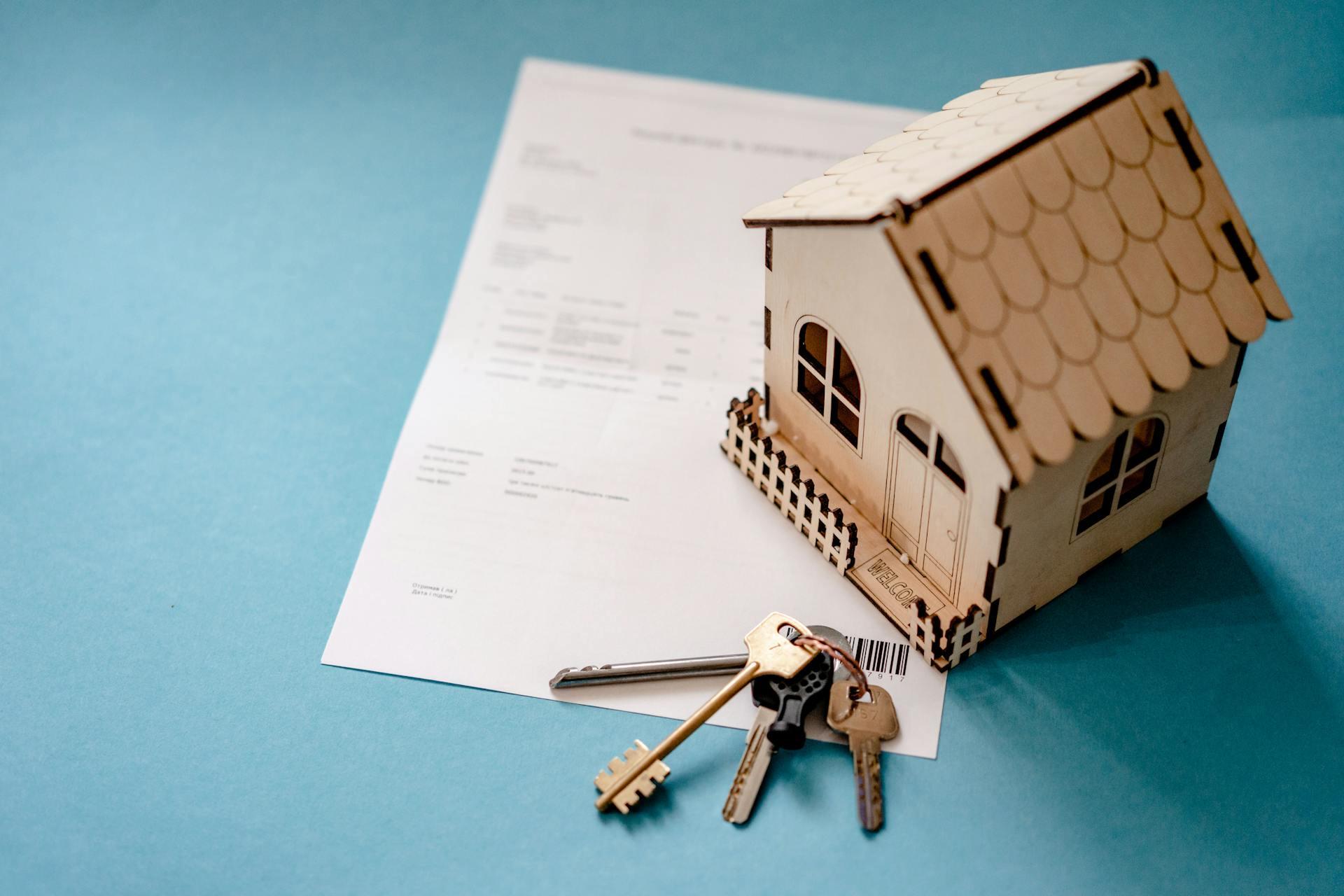
Seller Financing in Florida: How It Works, Who It Helps, and What to Watch Out For
Seller financing lets the seller act as the lender — the buyer makes payments to them instead of a bank. In Florida, both parties need to understand the Dodd-Frank 3-in-12 rule, the promissory note and mortgage structure, installment-sale tax treatment, and what a default actually looks like in a judicial-foreclosure state.
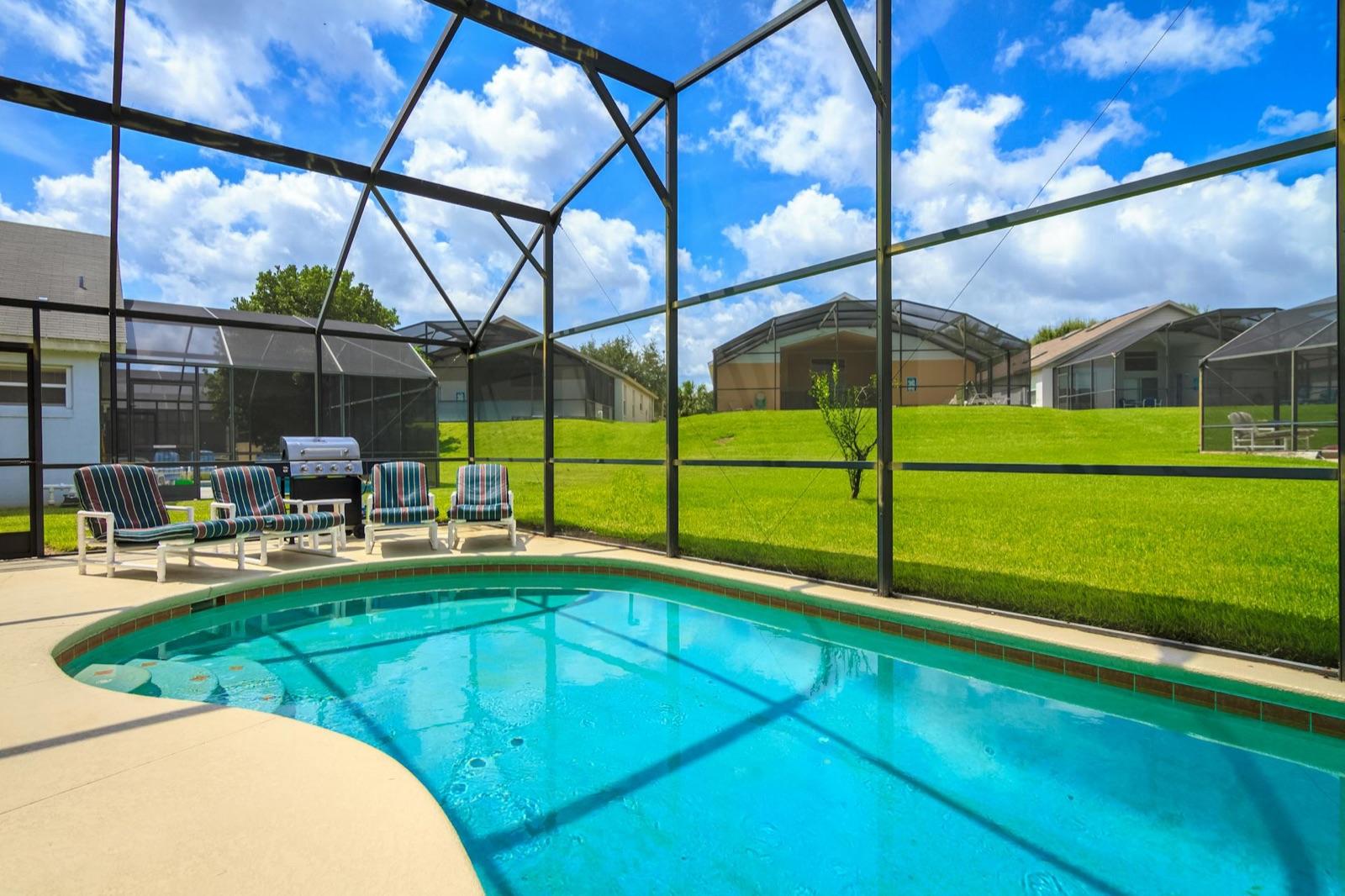
Short-Term Rental Rules in Orlando and Tampa: What You Can — and Cannot — Do by City
Short-term rental rules vary dramatically across Central Florida and Tampa Bay — Orlando bans nightly rentals in most single-family zones, while Kissimmee and Davenport built their economies around them. Here is what the rules actually say, city by city, plus what the failed 2024 state preemption bill means for investors going forward.
Owner's vs. Lender's Title Insurance in Florida: What Each Policy Does
Florida requires a lender's title policy for every financed purchase — but only the owner's policy protects you. Rates are state-set (no shopping), but the reissue discount can cut your premium by 40% if the seller's policy is under three years old.

How Much House Can I Afford in Florida?
The 28/36 rule gives you a starting number, but Florida's insurance premiums ($3,000–$8,000/year), HOA dues ($150–$600/month), and state-specific taxes add costs that national mortgage calculators routinely miss. A Tampa household at $80K/year qualifies for less house than the same income in Ohio — here's the real math.

Florida Doc Stamps and Intangible Tax: A Plain-English Guide
Florida charges documentary stamp taxes on every deed and mortgage — and a separate intangible tax on the loan. Most buyers from out of state have never heard of these. Here is exactly what you owe, who pays what, and how to calculate it before you get to the closing table.
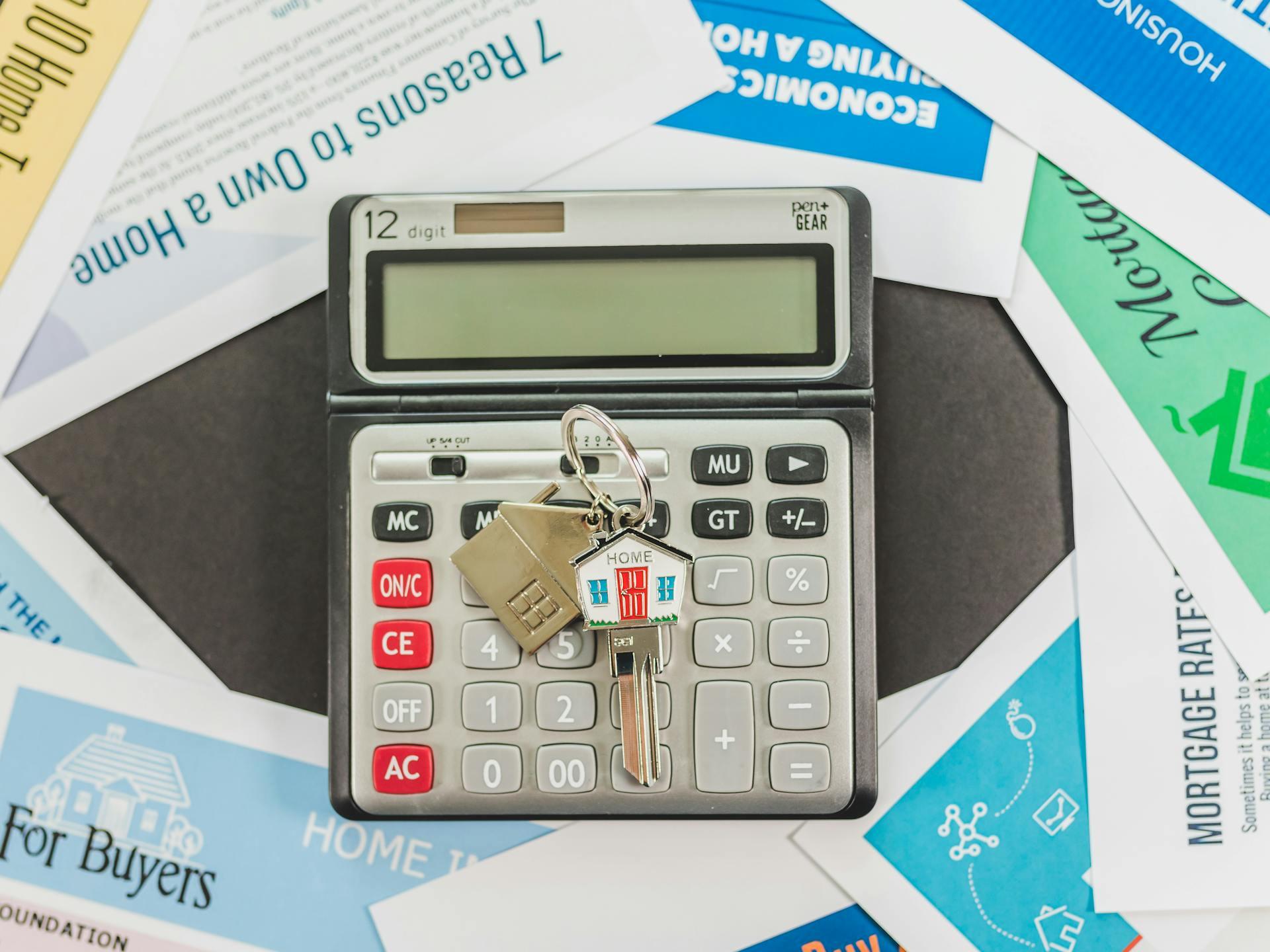
Seller Concessions and Rate Buydowns in Florida: What Buyers and Sellers Need to Know
Seller concessions that fund a rate buydown let a seller keep their price while a buyer gets real monthly savings. Here is how the math works, what the caps are by loan type, and how it plays out in a Florida FAR/BAR contract.

Closing Costs for First-Time Buyers in Florida: What to Expect
First-time buyers in Florida typically pay 2–5% of the purchase price in closing costs — on a $350,000 home that's $7,000–$17,500. The largest line items are lender fees, title insurance, prepaids, and doc stamps. Seller concessions and assistance programs can offset most of it.
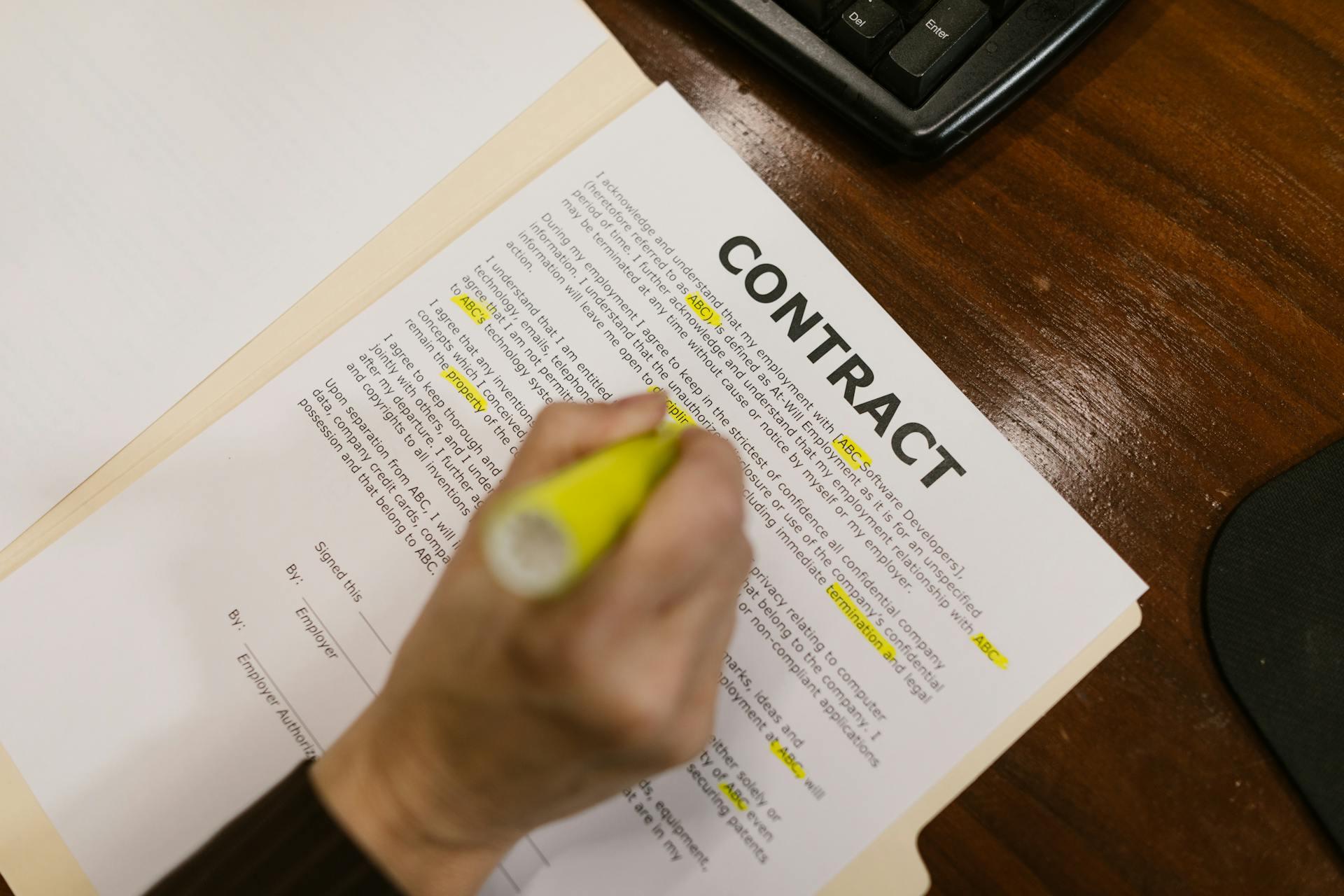
Reading a Florida Builder Contract: The 7 Clauses That Bite Buyers
Builder contracts in Florida are written by the builder's attorneys — not yours. Seven specific clauses show up in every standard agreement and routinely catch buyers off guard: delivery-date language, force majeure scope, price escalation, deposit forfeiture, design center commitments, warranty carve-outs, and arbitration waivers.

Florida Waterfront Home Due Diligence Checklist
Before you make an offer on a Florida waterfront home, you need to verify riparian or littoral rights in the deed, confirm the FEMA flood zone and get an Elevation Certificate, work out the true cost of wind and flood insurance, and check the seawall age and dock permits — every one of these can kill a deal or blow up a budget.

How Escalation Clauses Work in Florida Real Estate Offers
An escalation clause automatically bumps your Florida offer above any competing bid, up to a set cap. Understanding the three components — increment, trigger, and cap — plus the seller's proof requirement is what separates buyers who use it well from those who overpay or expose themselves unnecessarily.

Buying Florida Real Estate as a Foreign Buyer: The Complete Guide
Florida remains one of the top destinations for international real estate buyers, but the process has real legal and tax layers -- from FIRPTA withholding to foreign-national mortgages and the 2023 SB 264 ownership restrictions. Here is what to know before you make an offer.

How to Buy a Foreclosure Property in Florida
Florida is a judicial foreclosure state, meaning every foreclosure goes through the courts — and the average case runs 200 to 400 days from lis pendens filing to certificate of title. That timeline creates three distinct windows to buy: pre-foreclosure, courthouse auction, and REO. Each one has a different risk profile, price point, and title situation.

Florida Homestead Exemption: How to File, What You Save, and What Disqualifies You
Florida's homestead exemption reduces your taxable value by up to $50,000 and caps annual tax increases at 3%. You must apply by March 1 at your county property appraiser's office — here's exactly how to do it and what can cost you the benefit.

The FAR-BAR Contract in Florida: A Section-by-Section Walkthrough
The FAR-BAR AS-IS contract governs 95%+ of Florida residential transactions. Here is what buyers and sellers need to know about the key sections — from deposit structure to inspection rights, financing contingency, title evidence, and what happens when someone defaults.
Buying Your First Home in Florida: A Week-by-Week Timeline
In Florida, buying your first home takes 90 to 120 days from pre-approval to keys. This is the week-by-week breakdown — including Florida-specific steps most national guides leave out: insurance shopping, homestead exemption filing, HOA estoppel, and doc stamps.

Home Maintenance Tips for Winter
Home Maintenance Tips for Winter: Orlando Homeowners' Guide

Holiday Home Décor Ideas
Holiday Home Decor Ideas for Orlando Homeowners: Add Magic to Your Sunshine State Winter

Tips for Relocating During the Holidays
The holiday season is a time for joy, celebration, and spending quality moments with family and friends. However, for some, it may also coincide with a significant life event: relocating to a new home. Moving during the holidays can be both exciting and challenging. While it may

TAMPA BAY AREA MARKET STATISTICS
Hillsborough County Statistics

Embrace the Magic of Winter 2023: Holiday Events & Festivals in Orlando
As winter approaches, Orlando, Florida, transforms into a wonderland of holiday events and festivals that will warm your heart and ignite your holiday spirit. Known for its theme parks and sunny weather, Orlando is also a fantastic destination for those seeking enchanting holiday

TAMPA BAY AREA MARKET STATISTICS
Hillsborough County Statistics

Fall Activities in Orlando: A Spectacular Lineup of Festivals and Events
As the summer heat gradually gives way to cooler temperatures and a gentle breeze sweeps through the city, Orlando comes alive with a vibrant array of fall activities. From film festivals to Halloween scares and international food delights, there's something for everyone to enjoy

Guide to Property Tax System
Introducing the Ultimate Guide to Property Tax System Monthly Breakdown! Property taxes can be a daunting aspect of homeownership, often leaving many with questions about where their hard-earned money goes. In this blog, we provide you with a monthly breakdown that simplifies thi

FHA Appraisal Home Inspection Checklist
Welcome to our comprehensive guide on the FHA Appraisal Home Inspection Checklist. Whether you're a homebuyer, seller, or real estate professional, understanding the Federal Housing Administration (FHA) appraisal process is crucial. FHA loans are popular among buyers due to their

Hurricane Season Preparation: A Comprehensive Guide
Welcome to our comprehensive guide on Hurricane Season preparation! As nature's powerful forces can disrupt lives and communities, it's crucial to stay informed and equipped. In this pdf, we'll delve into the must-know tips and strategies to ensure you're ready when the storm hit

Choosing an Investment Property Agent in Florida: What Actually Matters
Not every real estate agent is equipped to handle investment property transactions in Florida. Here is what separates a capable investor-focused agent from a generalist — and the questions you should ask before signing anything.