
— Ben Laube Homes Blog
Tampa's Best Historic Neighborhoods: Hyde Park, Seminole Heights, Tampa Heights, and Ybor City
Tampa has a real historic housing stock — not just old houses that survived, but whole neighborhoods that held their character through decades of sprawl and development pressure around them. Hyde Park, Seminole Heights, Tampa Heights, and Ybor City are the four that buyers consistently ask me about. They share brick streets and pre-war architecture, but they're genuinely different places. Price points, vibe, walkability, and who's buying — all of it varies.
This post walks through each neighborhood as it stands heading into 2026: what the housing stock looks like, what you'll pay, and who each area tends to suit. I'll point to the dedicated community pages where they exist so you can dig deeper.
Hyde Park
Hyde Park sits directly west of downtown Tampa on the Hillsborough River. It's the oldest and most formal of the four — Bayshore Boulevard defines its southern edge, and the houses along Morrison, Magnolia, and Platt reflect a scale and architectural ambition you won't find in the other historic districts. We're talking two-story Craftsman bungalows, Queen Anne cottages, Colonial Revival homes — many in the 2,000–4,000 sq ft range.
The Hyde Park Village retail corridor along Snow Avenue and Rome brings walkable restaurants and shops that most of Tampa's neighborhoods still lack. That walkability, combined with the downtown adjacency, puts Hyde Park at the top of the price ladder. Expect $600,000–$1.2M+ for a well-renovated single-family home in the historic district. Condos and townhomes along Bayshore can run higher for the right water views.
The neighborhood is listed on the National Register of Historic Places, which creates design review requirements for exterior changes — something to factor into renovation plans. The upside: it also keeps the streetscape cohesive in a way that benefits long-term value.
- National Register historic district — exterior changes require local review
- Hyde Park Village within walking distance (restaurants, Pottery Barn, boutique retail)
- Bayshore Boulevard — one of the longest continuous sidewalks in the U.S.
- Best fit: buyers wanting established prestige, walkability, and proximity to downtown Tampa
See the full Hyde Park community page for school assignments and current listing filters.
Seminole Heights
Seminole Heights is north of downtown — about two miles up Nebraska Avenue — and it's had one of the more dramatic price runs of any Tampa neighborhood over the past decade. Homes that sold for $150,000–$180,000 in 2012 now trade in the $400,000–$600,000 range when updated. Unrenovated bungalows still exist in the $280,000–$380,000 range, but they're getting harder to find.
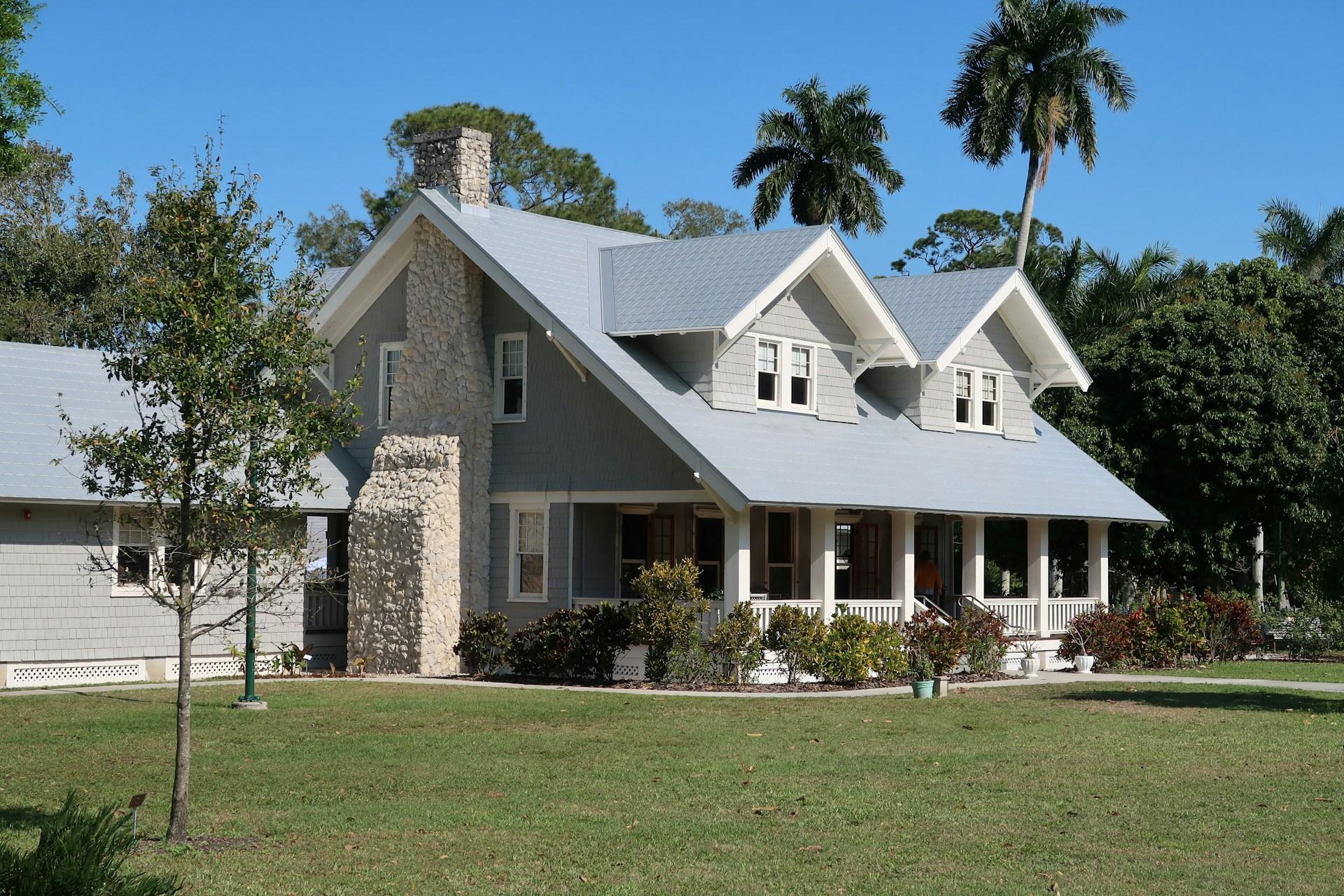
The housing stock is primarily 1920s–1930s Craftsman bungalows — smaller footprints than Hyde Park, typically 1,100–1,800 sq ft, on 50–60 ft wide lots. Old Seminole Heights (the southern pocket) and Seminole Heights proper each have their own sub-feel. The restaurant scene on Central and Florida Avenues has become a genuine draw: Rooster & the Till, Ella's Americana Folk Art Cafe, Trips Diner, and a handful of craft breweries all landed here.
Seminole Heights rewards buyers who can read renovation scope accurately. A house that looks like a cosmetic project sometimes has hidden foundation or electrical issues from the original 1920s construction. Get a thorough inspection and budget for the surprises.
- Primarily 1920s–1930s Craftsman bungalows, 1,100–1,800 sq ft typical
- Active restaurant and bar scene on Central Ave and Florida Ave
- Proximity to Lowry Park Zoo (now ZooTampa) and the Hillsborough River State Park trail
- Best fit: buyers who want character architecture at a lower entry point than Hyde Park, with walkable dining
The Seminole Heights community page has a deeper look at the sub-district breakdown and what's currently active.
Tampa Heights
Tampa Heights is the neighborhood that sits between downtown and Seminole Heights — geographically and, increasingly, in terms of development energy. Armature Works opened in 2018 inside a 1910 streetcar barn on the river, and it shifted the neighborhood's trajectory. The Heights district along North Boulevard is now one of the more active development corridors in central Tampa.
The residential streets — Cypress, Highland, Lamar, Palm — still have a mix of original Victorian and Craftsman homes alongside newer infill construction. That mix is the double-edged reality of buying here: you can get a genuinely historic house with solid bones, but the block quality varies more than in Hyde Park or Old Seminole Heights. Prices for renovated single-family homes run roughly $450,000–$750,000 depending on size and proximity to the Heights mixed-use corridor.
If you're looking at Tampa Heights as an investment-plus-primary-residence play — live in it while you renovate — it fits that use case better than Hyde Park, where everything is already renovated and priced accordingly.
- Armature Works + The Heights development anchor: river access, food hall, fitness studios
- Mix of original Victorians, Craftsmans, and newer infill
- Walking distance to downtown and the Riverwalk
- Best fit: buyers who want downtown adjacency at lower prices than Hyde Park, with tolerance for a neighborhood still mid-transition
Full neighborhood details are on the Tampa Heights community page.
Ybor City
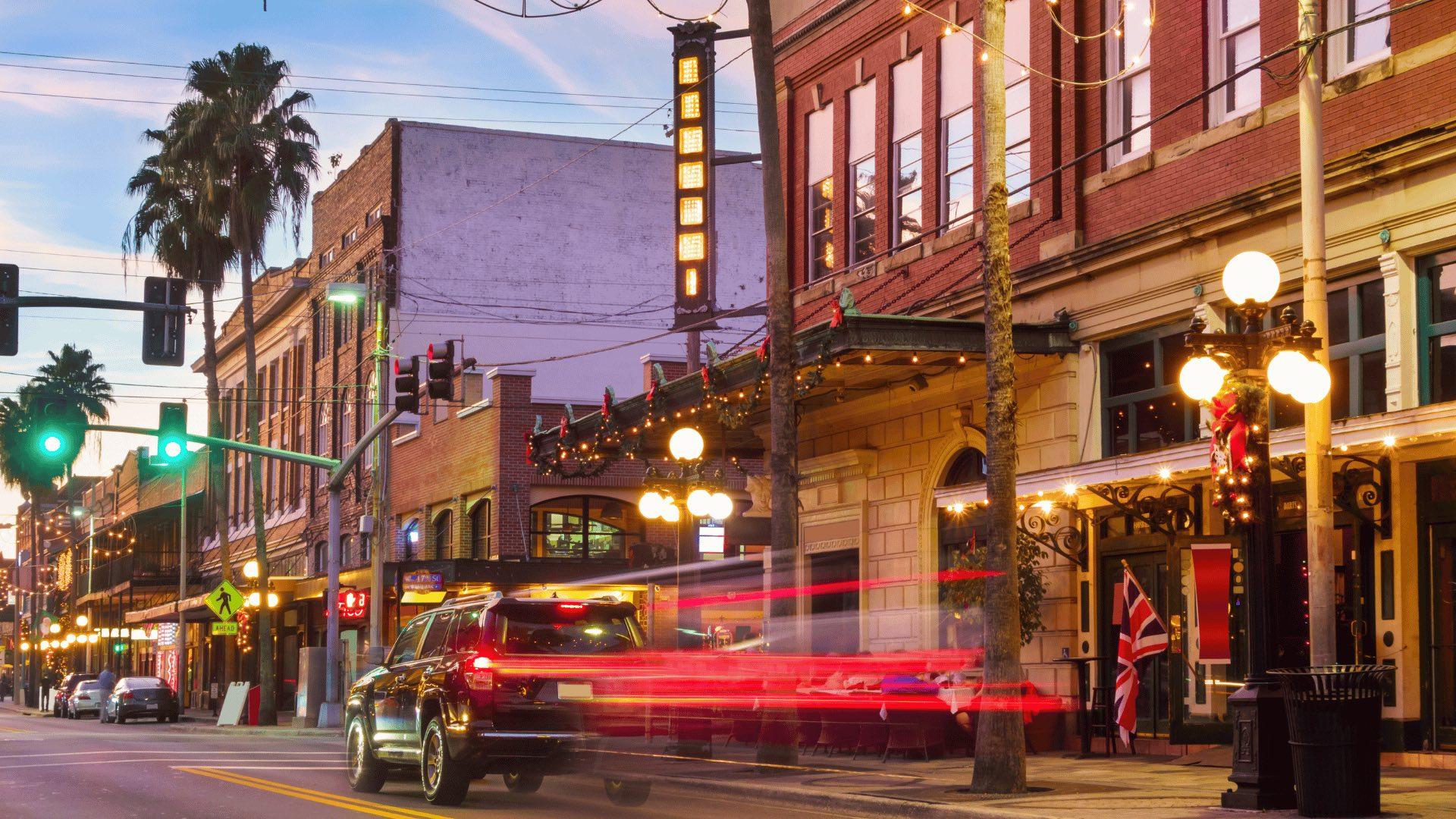
Ybor City is different from the other three in a fundamental way: it's more of an entertainment and cultural district than a quiet residential neighborhood. The 7th Avenue corridor — Ybor's main drag — is bar-heavy on weekends, and that's a feature for some buyers and a dealbreaker for others. Know which camp you're in before making an offer.
The housing within Ybor and in the surrounding East Ybor and Ybor Heights pockets runs from converted cigar factory lofts to traditional wood-frame worker cottages, some dating to the 1890s. Prices are generally lower than the other three neighborhoods — $300,000–$500,000 for a renovated house, depending on exact location. The National Historic Landmark designation (Ybor is one of only a handful of nationally designated historic landmark districts in Florida) provides strong preservation rules.
The practical upside of Ybor's commercial energy: commutes into downtown and Channelside are short, and the cultural calendar — Centro Ybor, Gasparilla events, Saturday Market — runs year-round. The streetcar line connecting Ybor to downtown and Channelside is the only one in Tampa, which adds a transit option that the other historic neighborhoods don't have.
- National Historic Landmark District — one of Florida's most protected historic designations
- TECO streetcar connects Ybor to downtown and Channelside
- Mix of cigar-era cottages, converted factory lofts, and newer condos/townhomes
- Weekend nightlife on 7th Avenue — understand the noise and parking context before buying
- Best fit: buyers drawn to cultural density, lower price points, and walkable urban life; less suited to quiet residential living
Comparing the Four Neighborhoods
Here's a direct comparison on the factors that matter most to buyers I work with:
- Price entry point (renovated SFH): Hyde Park $600K+, Tampa Heights $450K+, Seminole Heights $400K+, Ybor City $300K+
- Walkability: Hyde Park (Village + Bayshore), Ybor City (7th Ave corridor), Tampa Heights (Armature Works), Seminole Heights (Central Ave)
- Architectural scale: Hyde Park largest lots/homes; Seminole Heights smallest (bungalow-scale); Tampa Heights and Ybor City mixed
- Renovation opportunity: Ybor and Tampa Heights have more unrenovated inventory; Hyde Park has least
- Nightlife proximity: Ybor City is the district itself; Hyde Park is 10–15 min from Ybor; Seminole Heights has its own quiet bar scene
What to Watch for in Historic Districts
All four neighborhoods carry the same renovation risks that come with pre-war construction. Knob-and-tube wiring, cast-iron or clay drain lines, original single-pane windows, pier-and-beam foundations that need re-leveling — these are common, not exceptional. A general inspection is not enough; hire a separate inspector for the electrical system and one who understands pier-and-beam foundations specifically.
In locally designated historic districts (Hyde Park's is the most restrictive), COA (Certificate of Appropriateness) approval is required before altering visible exterior elements: roofline changes, window replacements, porch modifications, additions. The process isn't prohibitive, but it adds time. Budget 6–10 weeks for COA review on any significant exterior work.
Insurance is the other flag. Several major insurers have pulled back from Florida entirely since 2022, and historic homes with older roofs face the narrowest carrier options. Before closing, get a binding insurance quote — not an estimate, a quote — so you know your monthly cost. I've seen buyers back out at the last minute because they couldn't get homeowners coverage at a workable rate.
Which One Is Right for You
If walkability, prestige, and established value matter most: Hyde Park. If you want character architecture at the lowest entry point with strong neighborhood identity: Seminole Heights. If you want downtown proximity with upside still in play: Tampa Heights. If you want cultural density, lower prices, and don't mind the commercial energy: Ybor City.
None of these neighborhoods is the obvious choice for everyone. The right answer depends on your commute pattern, your tolerance for renovation complexity, and honestly, whether you'd rather walk to a quiet neighborhood restaurant or a Friday-night block party. I'd rather spend 20 minutes talking through your specific situation than send you a generic neighborhood ranking — reach out if you're narrowing down.
Nearby
Neighborhoods featured in this post
 Featured
Ybor City
Tampa
Ybor City is Tampa's historic cigar district — a National Historic Landmark neighborhood of century-old brick factories, casita cottages, a…
 Featured
Hyde Park
Tampa
Brick streets, craftsman bungalows, and a walkable village — one of Tampa's most characterful older neighborhoods.
 Featured
Seminole Heights
Tampa
Craftsman bungalow historic district north of downtown. Independent restaurants, breweries, and a strong arts scene. One of Tampa's most ch…
 Featured
Tampa Heights
Tampa
Tampa's oldest residential neighborhood — craftsman bungalows, Hillsborough River frontage, and Armature Works at the center of it all.
Questions about your own market?
Reach out for a tailored take on your neighborhood, timeline, or price band.