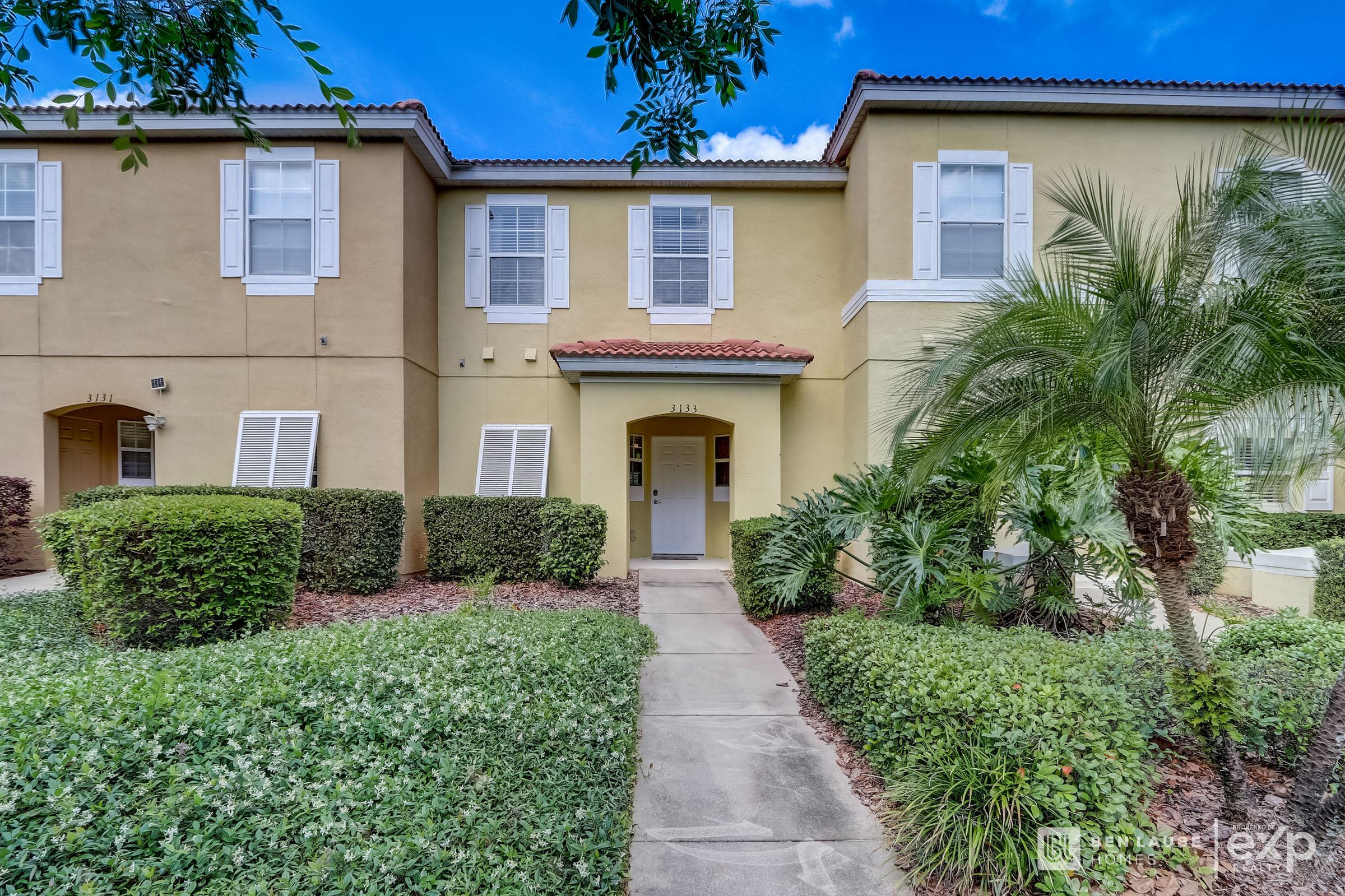
— Guidance
Buyers on one side of the table, sellers on the other.
Full playbooks for both — step-by-step, Florida-specific, written for how the market actually works.
For buyers
Buying in Florida, done thoughtfully.
Pre-approval through closing in 7-9 weeks — with the Florida-specific nuance most national guides skip.
For sellers
Selling, priced right, marketed like it's my own.
Real valuation, staged prep, MLS + syndication, and a clean timeline from list-date to close.
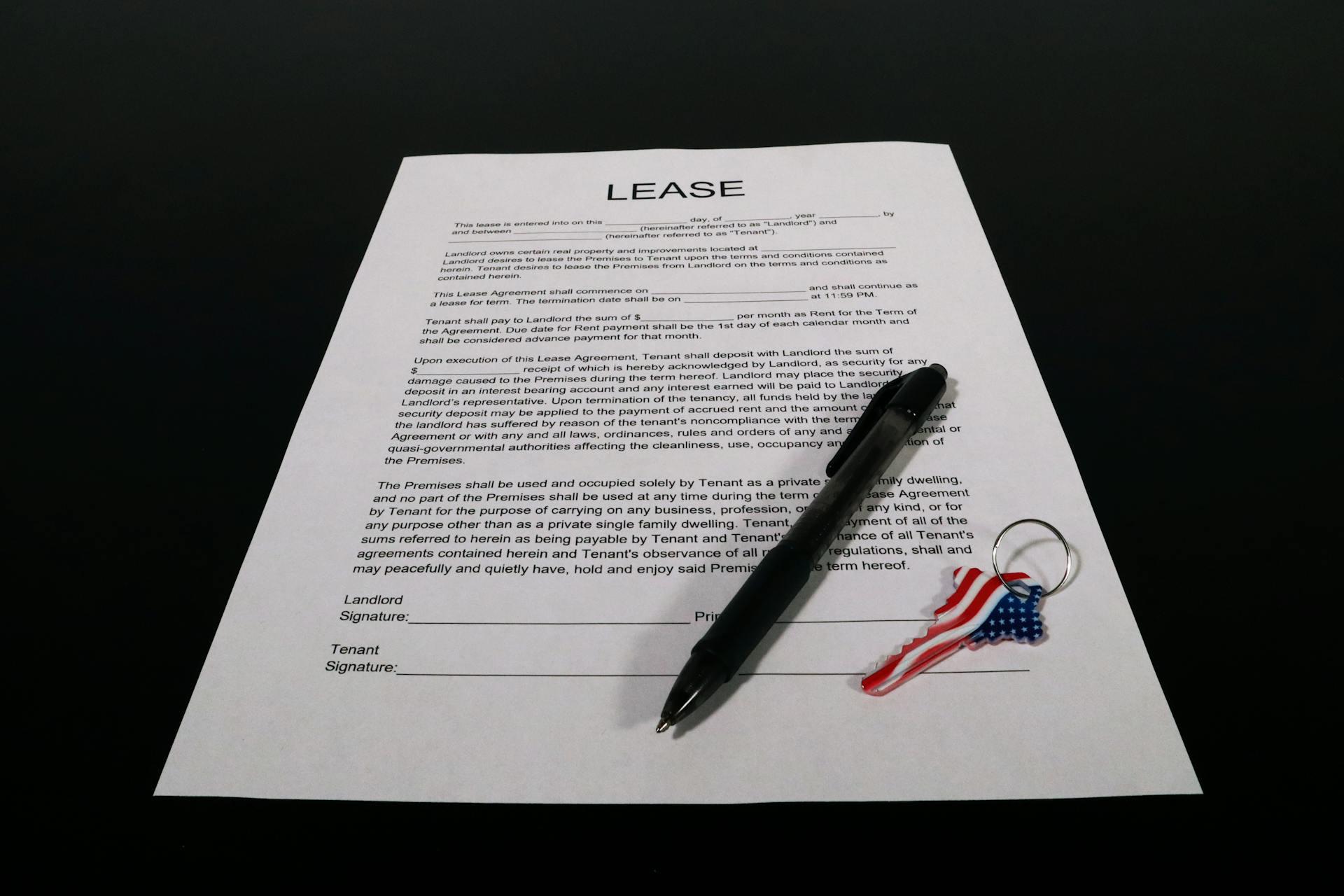
How to Sell a Tenant-Occupied Rental Property in Florida
Selling a Florida rental with a tenant in place means reading every line of the lease, building an investor package with current rent, NOI, and cap rate, giving proper notice for showings, and handling the security deposit transfer and prorations correctly at closing — or planning a vacancy-first strategy for retail buyers.

Selling a House with Open Permits in Florida
Yes, you can sell a Florida home with open permits — but an open permit found during a title search can stall your closing or kill a financed buyer's deal. The path forward depends on whether the permit is still active, expired, or simply never finaled. Here's what to do.
Selling a House with Code Violations in Florida
Yes, you can sell a Florida home with code violations — but the violation type determines your path. Fines and enforcement liens must be resolved at or before closing. Unpermitted work requires disclosure. Sellers typically choose to remediate, price it in, or negotiate a credit. A real estate attorney should review any lien before you list.
— Communities
Explore Central Florida Communities
Neighborhood guides, schools, and local market context.
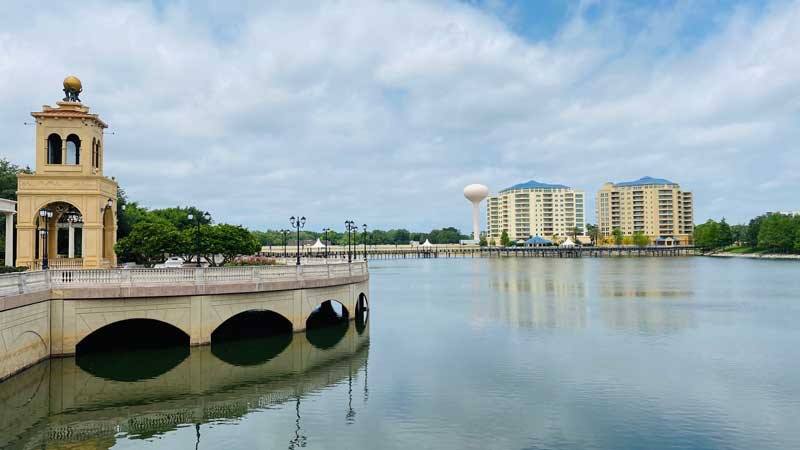
Altamonte Springs
Altamonte Springs is Seminole County's largest city — built around I-4 and SR 436, anchored by Cranes Roost Park, and served by one of Florida's top-rated school districts at price points well below neighboring Winter Park.
Explore Area →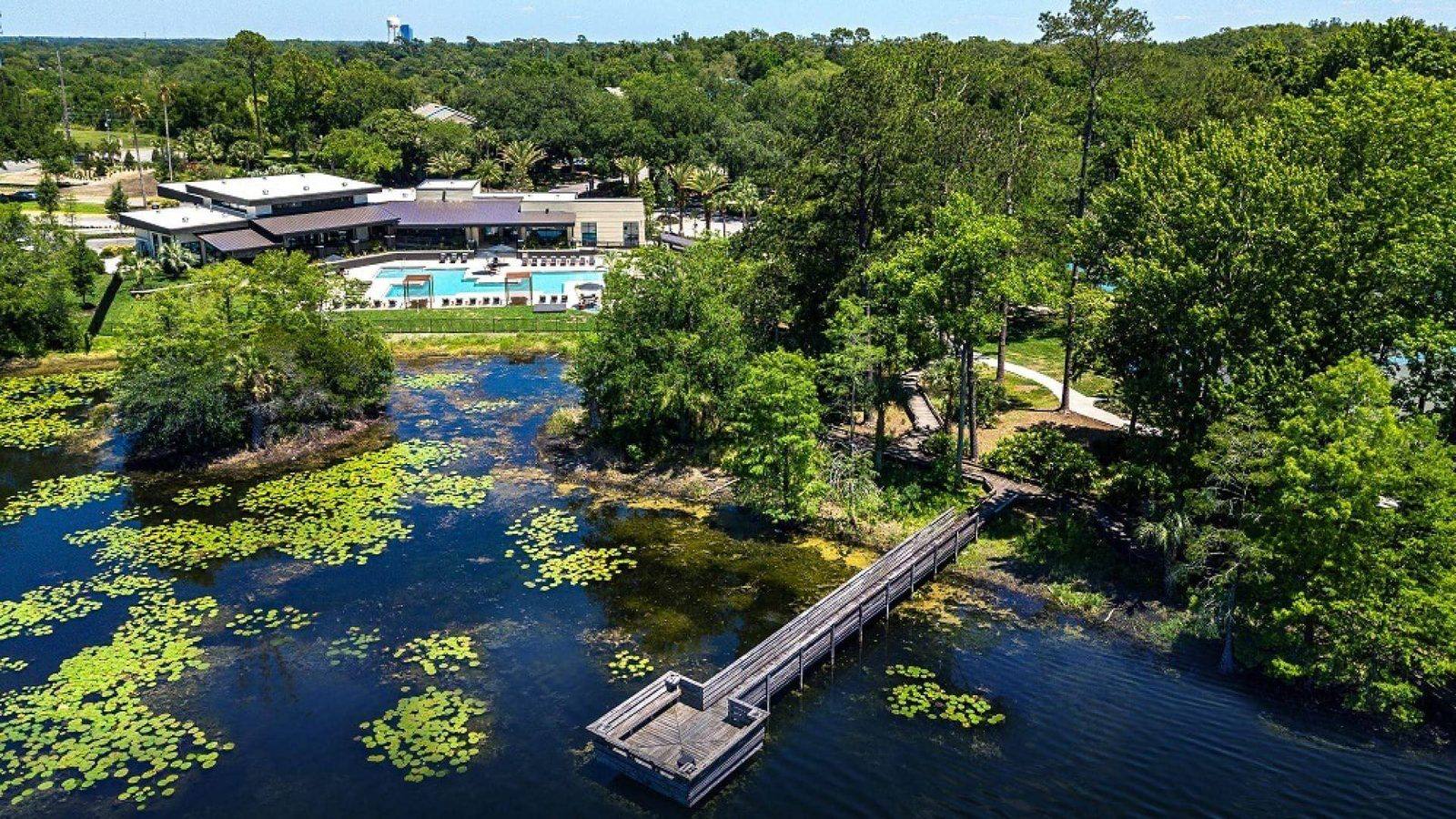
Apopka
Apopka sits at the northwest edge of Orange County — 20 miles from downtown Orlando via the SR 429 Western Beltway, and 10 minutes from Wekiva Springs State Park and Kelly Park's 68-degree natural spring. The city that earned the nickname "The Indoor Foliage Capital of the World" is now one of Central Florida's fastest-growing corridors, with new communities along the Kelly Park Road interchange meeting established neighborhoods built around lakes, golf courses, and old Florida oak canopy.
Explore Area →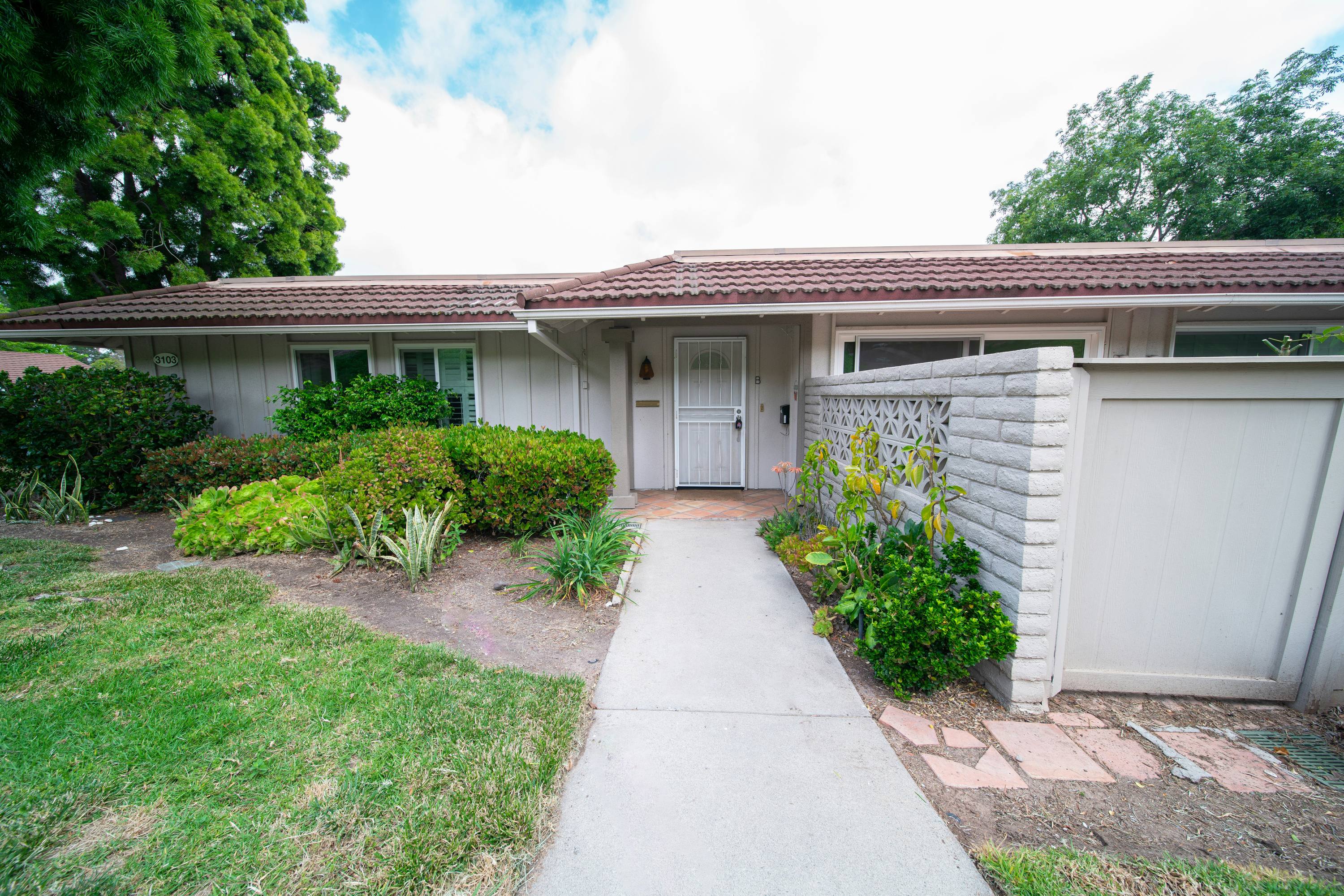
Audubon Park
East Orlando's most walkable neighborhood -- Corrine Drive lined with Michelin-starred restaurants and independent shops, a 50-acre botanical garden at the doorstep, and a K-8 school that scores 10 out of 10.
Explore Area →
Baldwin Park
Master-planned urban village built on the former Orlando Naval Training Center. Walkable streets, New England architecture, and three lakes.
Explore Area →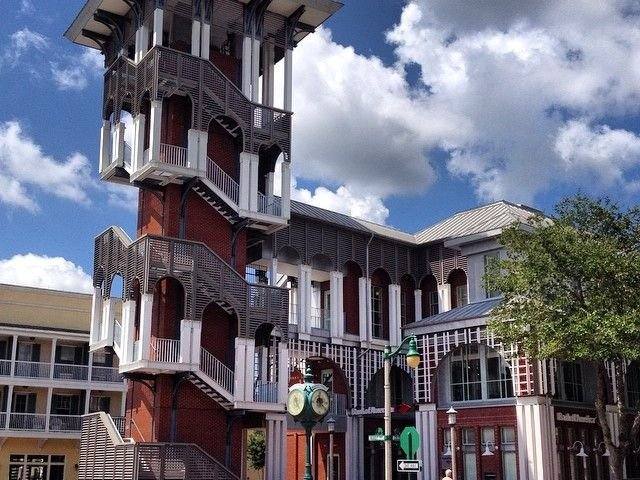
Celebration
Celebration is Walt Disney Company's master-planned new urbanist town — built from scratch in 1996 on 4,900 acres west of Kissimmee, with a walkable brick-street town center, Disney-commissioned architecture, and its own schools, hospital, and 23 miles of nature trails.
Explore Area →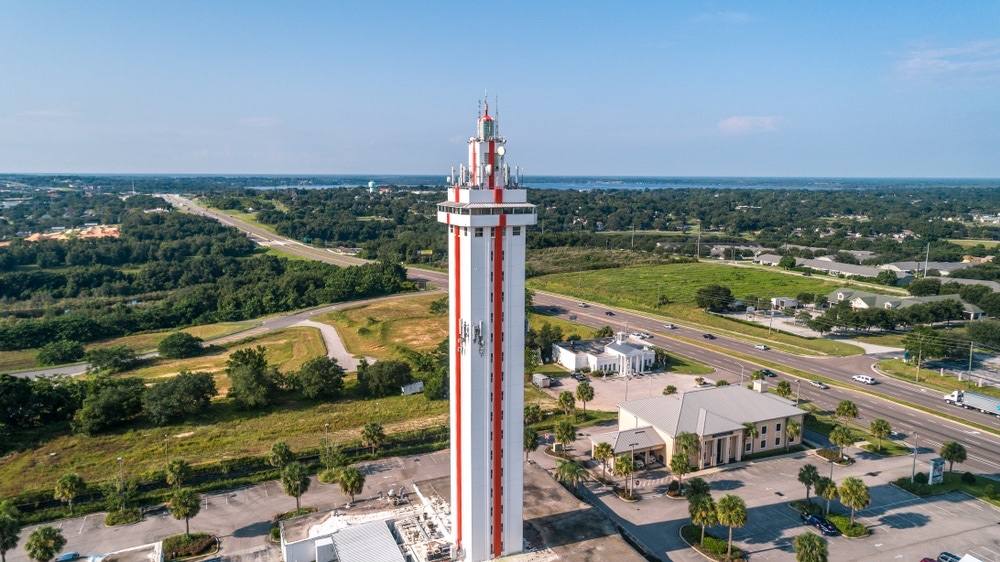
Clermont
Clermont is Central Florida's hill-and-lake city — 11 interconnected lakes, rolling terrain atypical of the Florida peninsula, and the 1956 Citrus Tower that still anchors Downtown Montrose Street thirty miles west of Orlando.
Explore Area →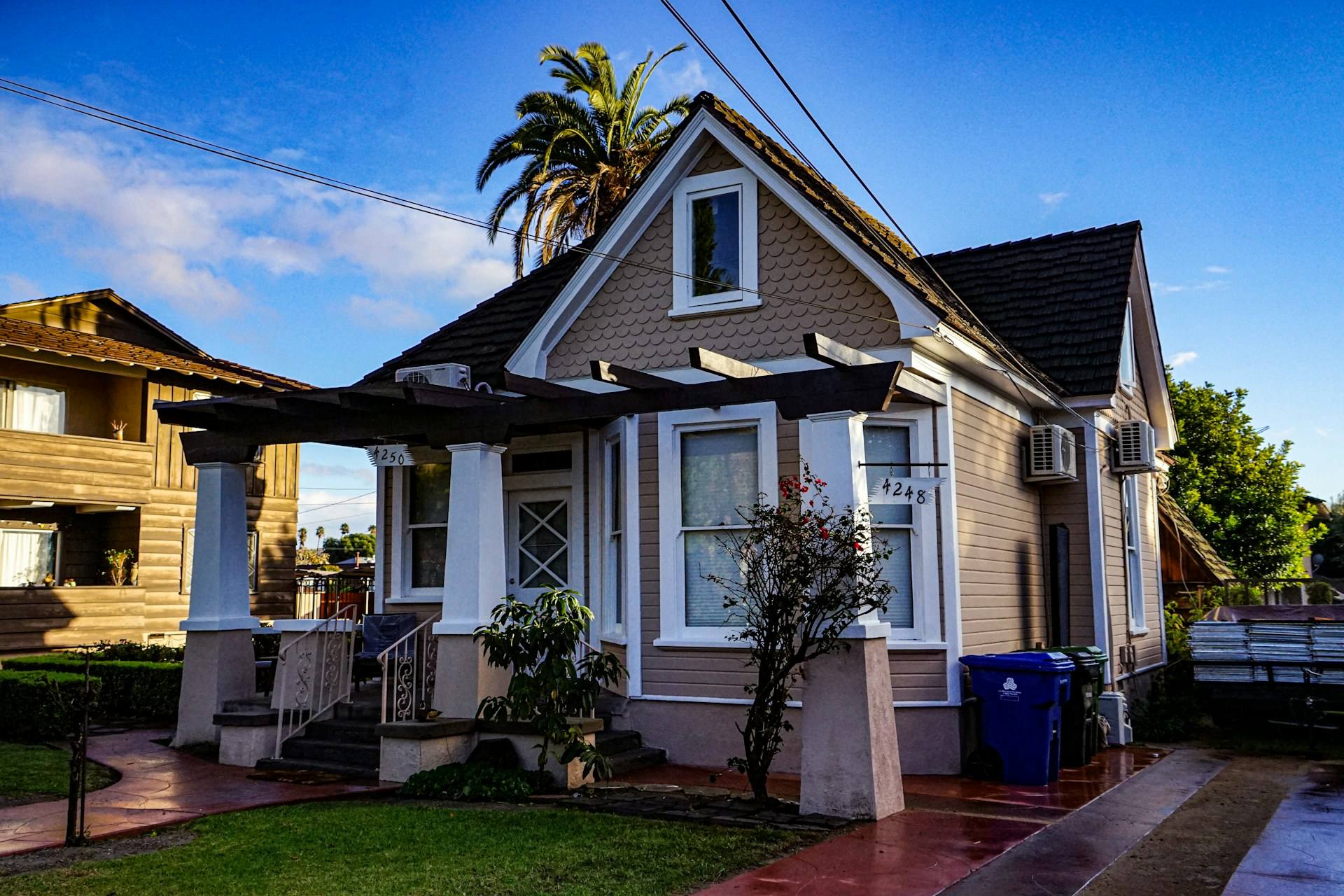
College Park
College Park is one of Orlando's oldest in-town neighborhoods, built in the 1920s on streets named after universities — Princeton, Harvard, Yale — and anchored by Edgewater Drive, a mile-long corridor of independent restaurants, boutiques, and a walkable grocery store.
Explore Area →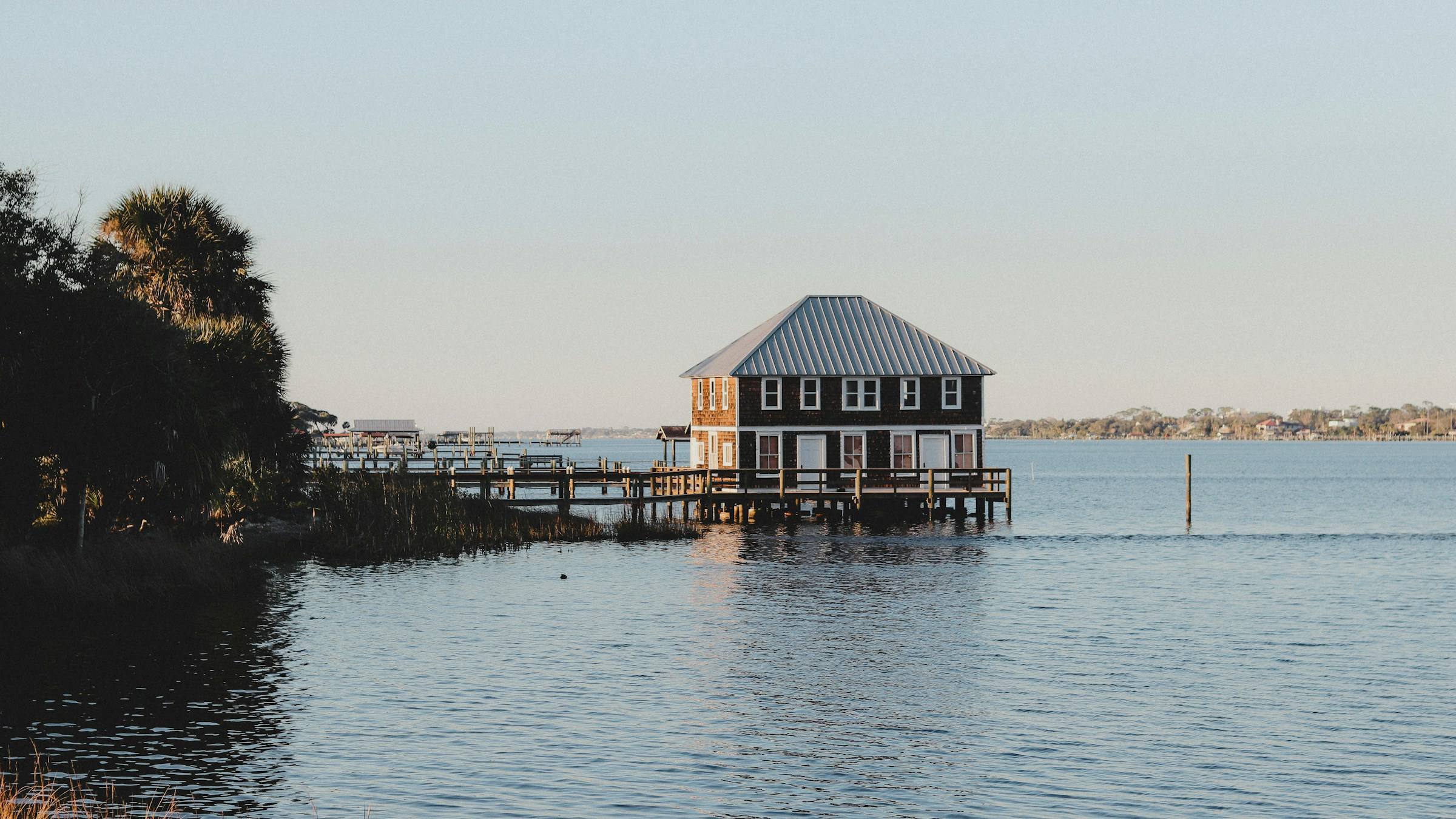
Conway
Conway is southeast Orlando's lake-chain neighborhood — four interconnected motorized-boat lakes totaling nearly 1,800 acres, 10 minutes from downtown and 15 minutes from OIA, with deepwater dockable lots mixed into established 1950s–1970s ranch streets.
Explore Area →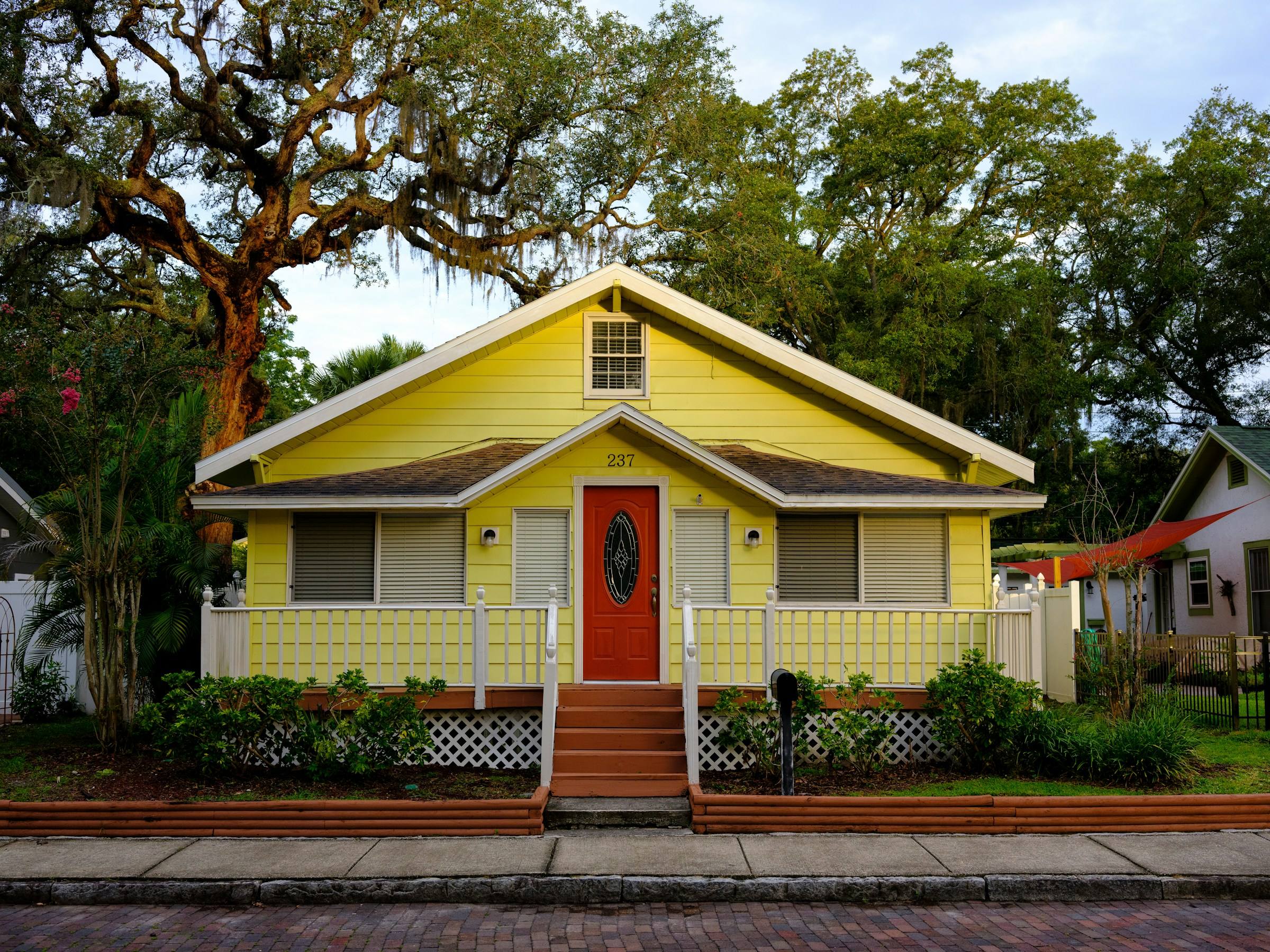
Delaney Park
Delaney Park is one of downtown Orlando's oldest in-town neighborhoods — 1920s craftsman bungalows and Mediterranean revivals on shaded streets surrounding Lake Cherokee, a National Register historic district, a five-minute drive from downtown without downtown's density.
Explore Area →
Dr. Phillips
Established South Orlando community known for gated golf communities, Restaurant Row (Sand Lake Road), and top-rated schools.
Explore Area →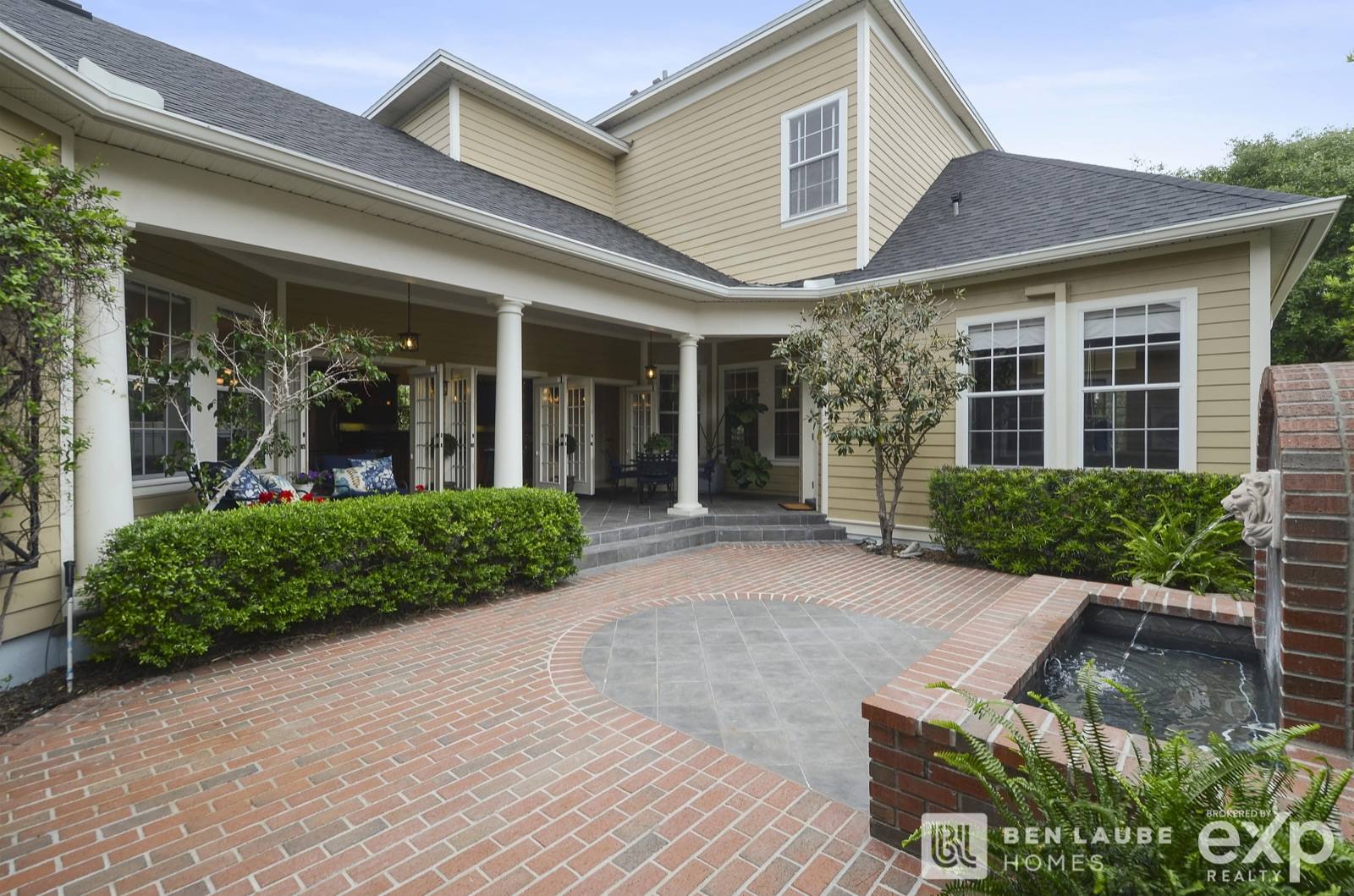
Heathrow
Seminole County's premier gated golf community — 2,200 homes across 29 guard-gated sub-neighborhoods, a Ron Garl–designed championship course, and the AAA national headquarters next door, all 19 miles northeast of downtown Orlando on the I-4 corridor.
Explore Area →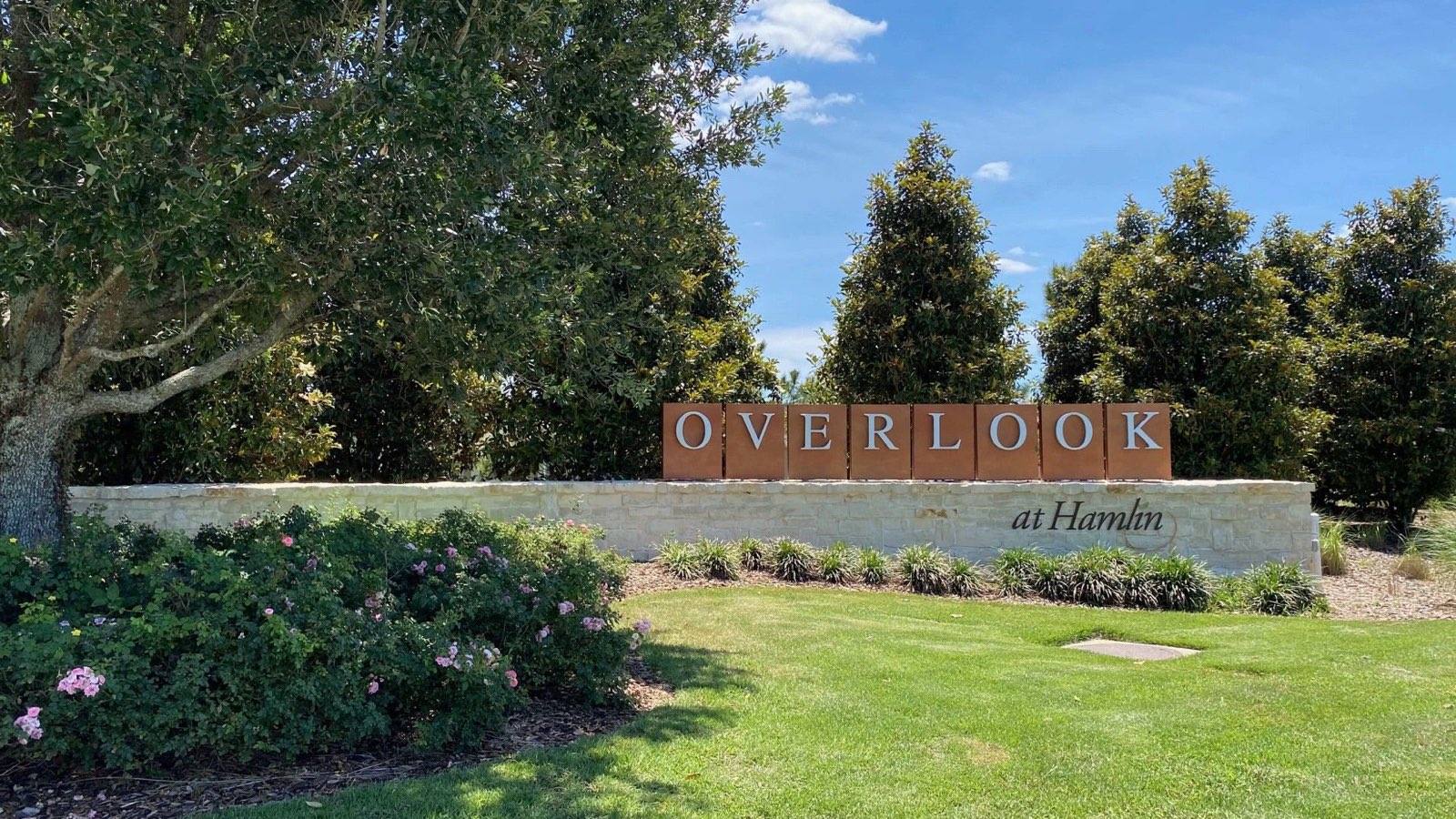
Horizon West
Orange County's largest master-planned community — 20,000+ acres organized into distinct villages (Hamlin, Lakeside, Bridgewater) with its own Town Center, school pipeline, and 22-mile trail network. New construction at every price point, 10 minutes from Disney World.
Explore Area →— Communities
Explore Tampa Bay Area Communities
From urban cores to waterfront enclaves.
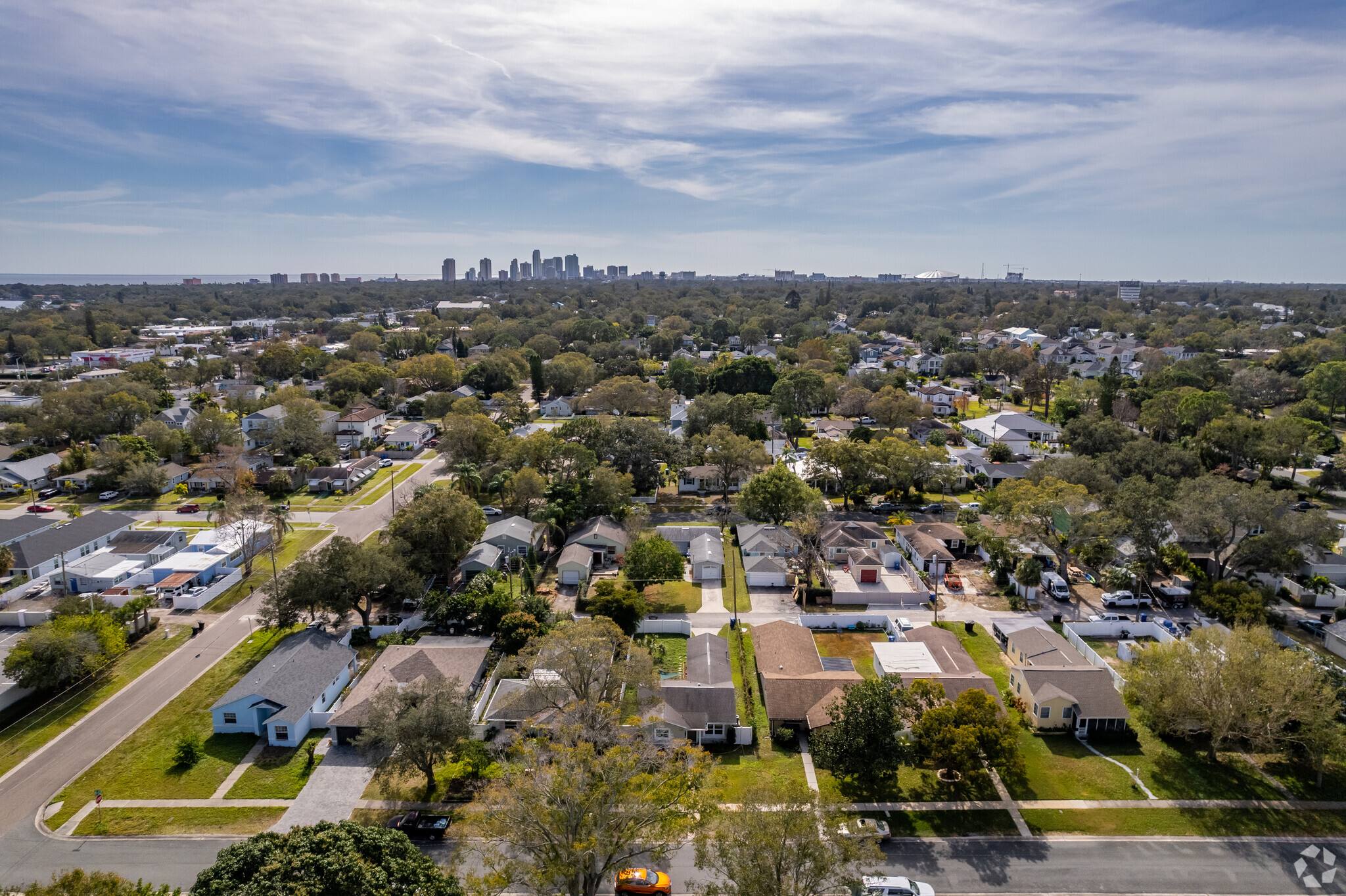
Allendale Terrace
Cobblestone brick streets, estate-scale lots, and 1920s Mediterranean and Tudor homes on high ground north of Crescent Lake.
Explore Area →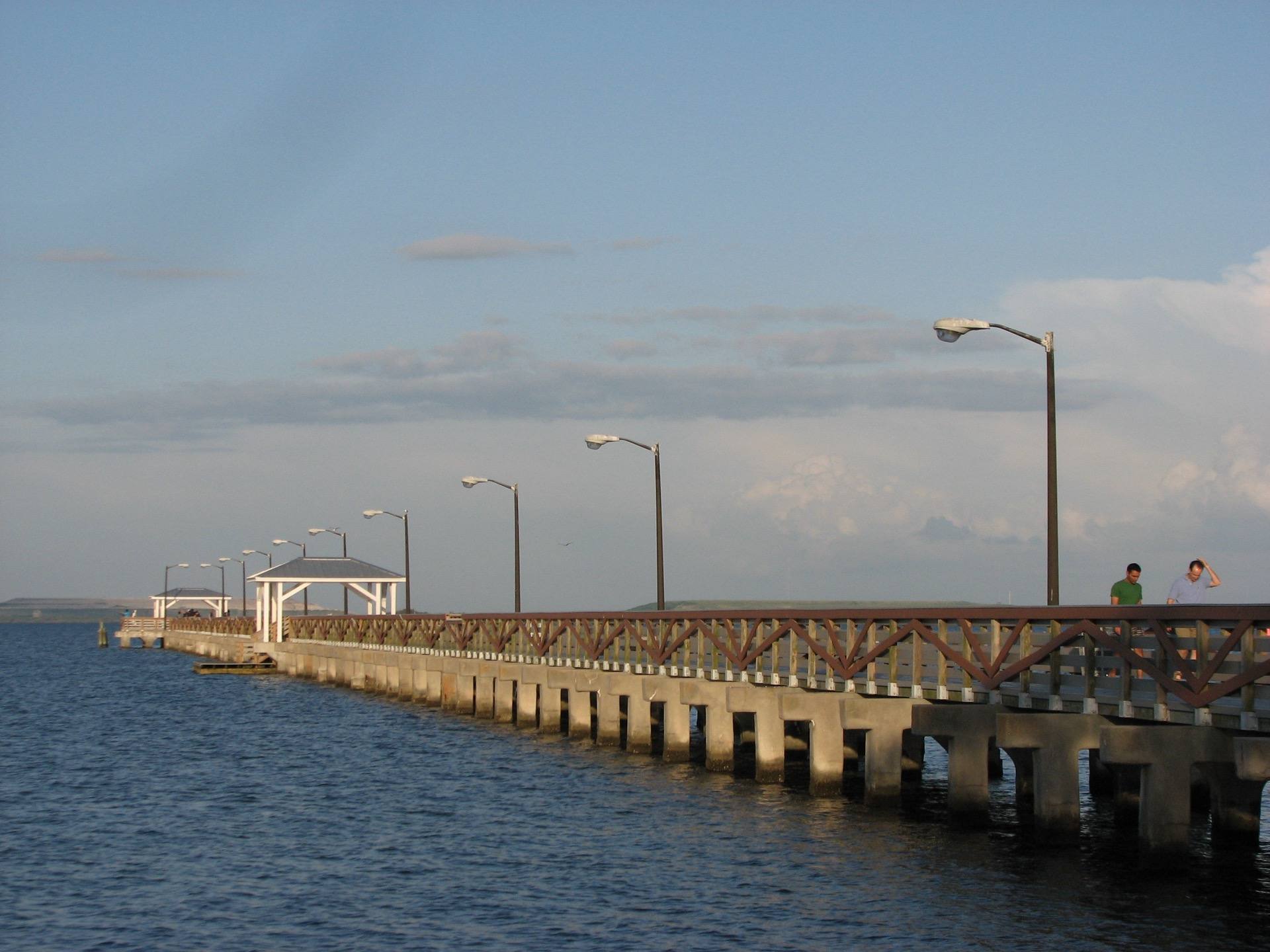
Ballast Point
Ballast Point sits at the southern tip of South Tampa — 1.7 square miles of live-oak-canopied streets between Hillsborough Bay and MacDill Air Force Base, anchored by a 600-foot pier that's been drawing anglers and sunset-seekers since the 1890s.
Explore Area →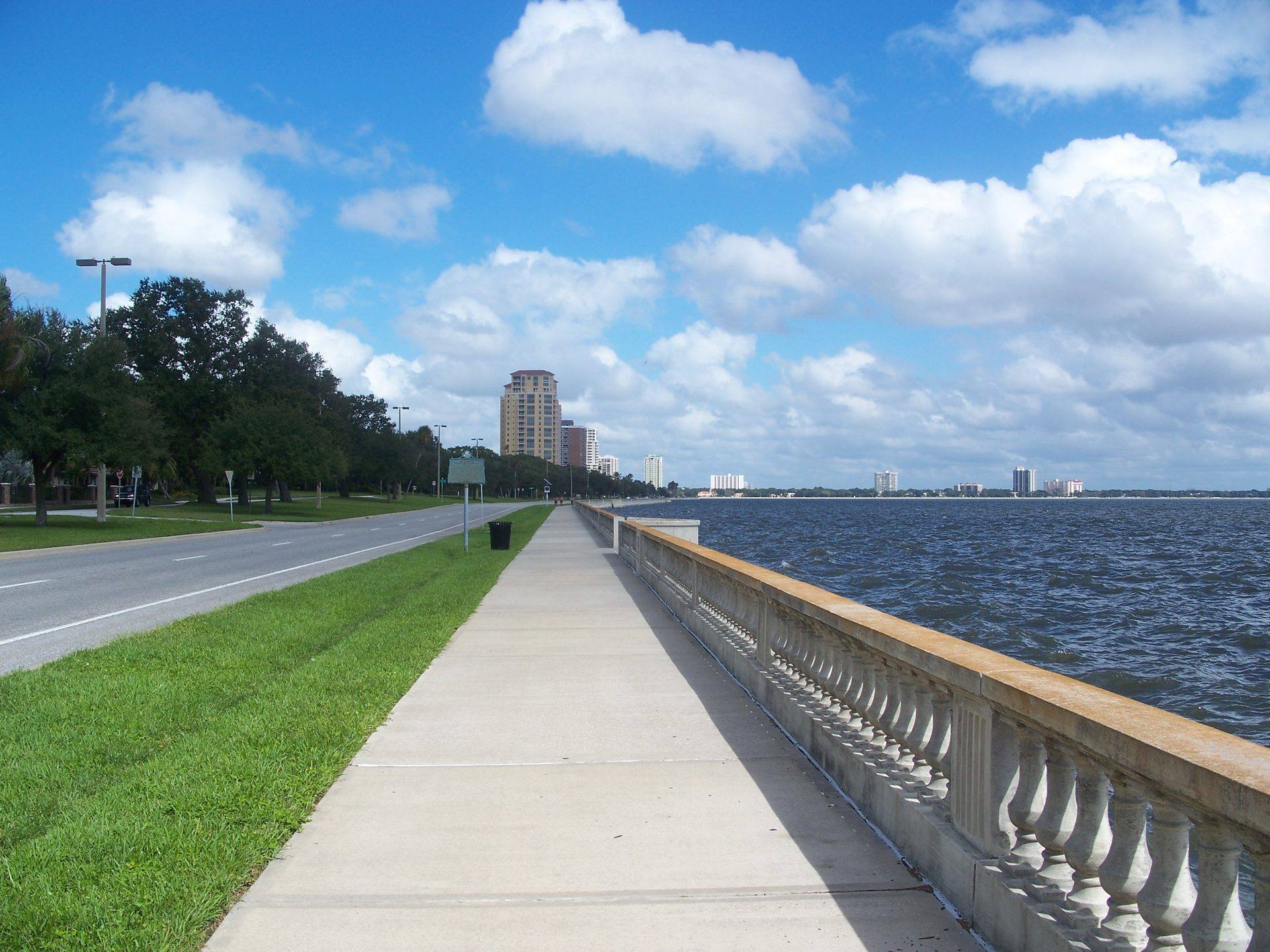
Bayshore Beautiful
Bayshore Beautiful lines the eastern shore of South Tampa along Hillsborough Bay — stately homes from the 1920s and 1940s on canopied streets a short walk from one of the longest continuous sidewalks in the United States.
Explore Area →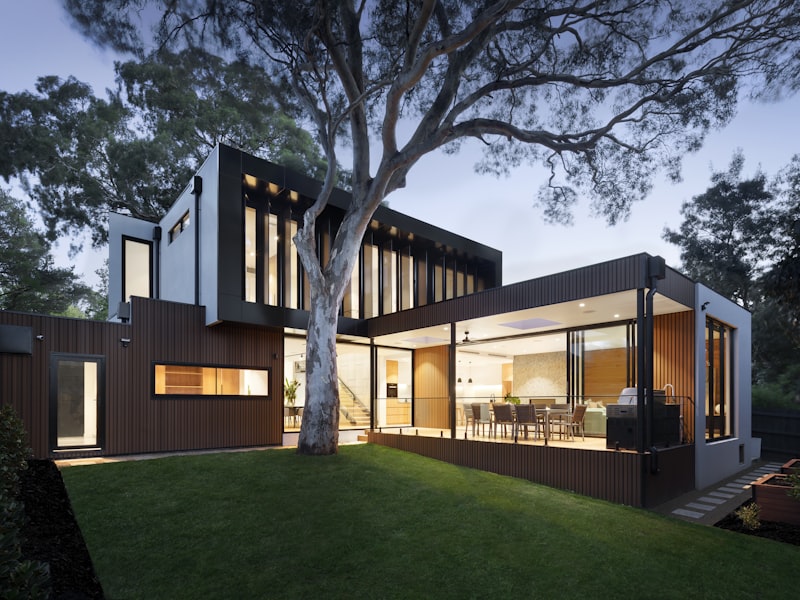
Carrollwood
Carrollwood is northwest Tampa's most established suburban neighborhood -- a community built around Lake Carroll, a 210-acre private motorboat lake, with homes dating to the 1959 founding and Carrollwood Village, a 1,800-acre master-planned community anchored by a 27-hole country club.
Explore Area →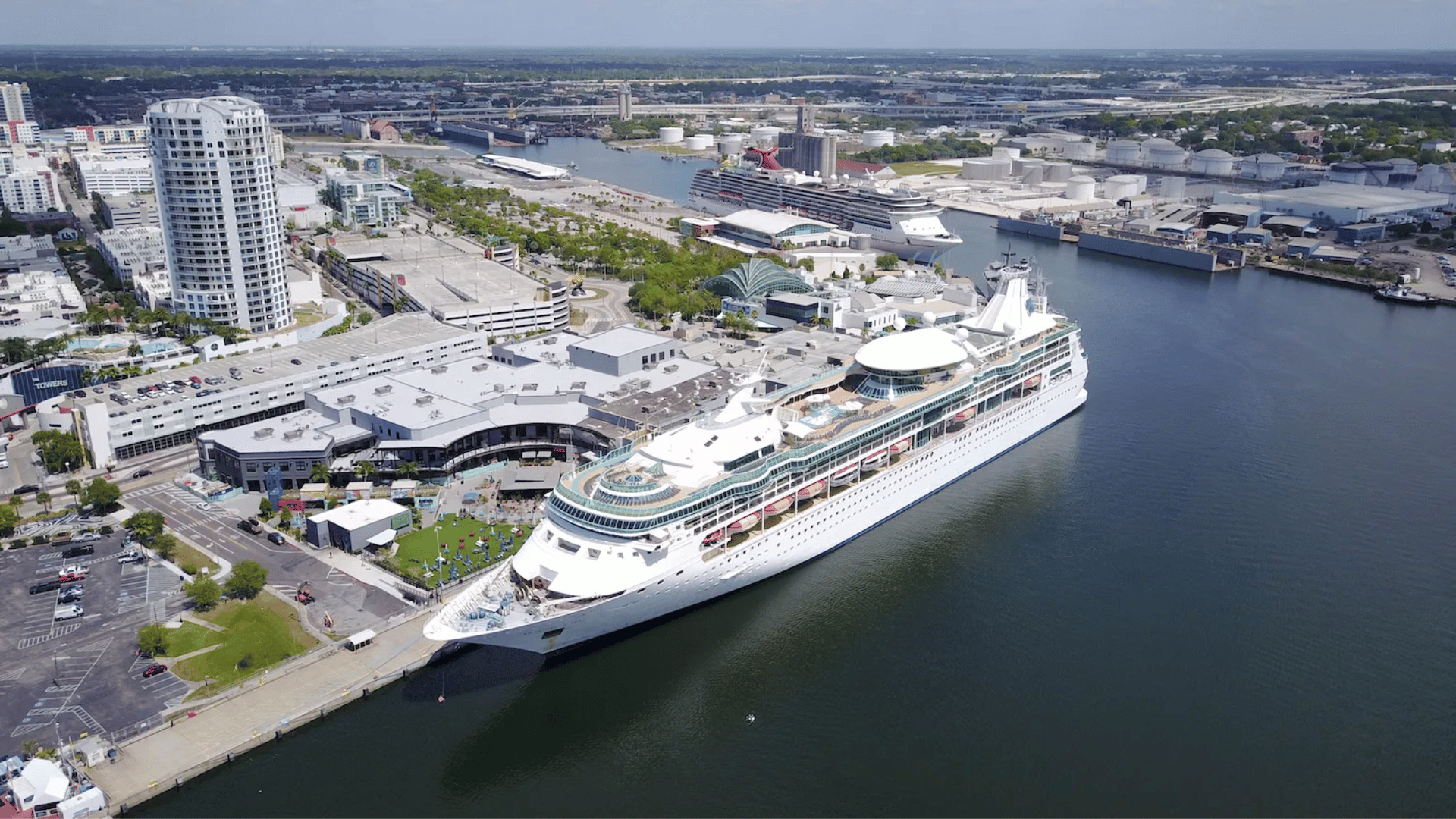
Channelside
Downtown Tampa's waterfront high-rise district. Riverwalk access, Amalie Arena, Water Street development, and a fast-growing urban core.
Explore Area →
Coquina Key
A man-made island 3 miles south of downtown St. Pete — canals, private boat docks, and Tampa Bay access at prices that still make waterfront living attainable.
Explore Area →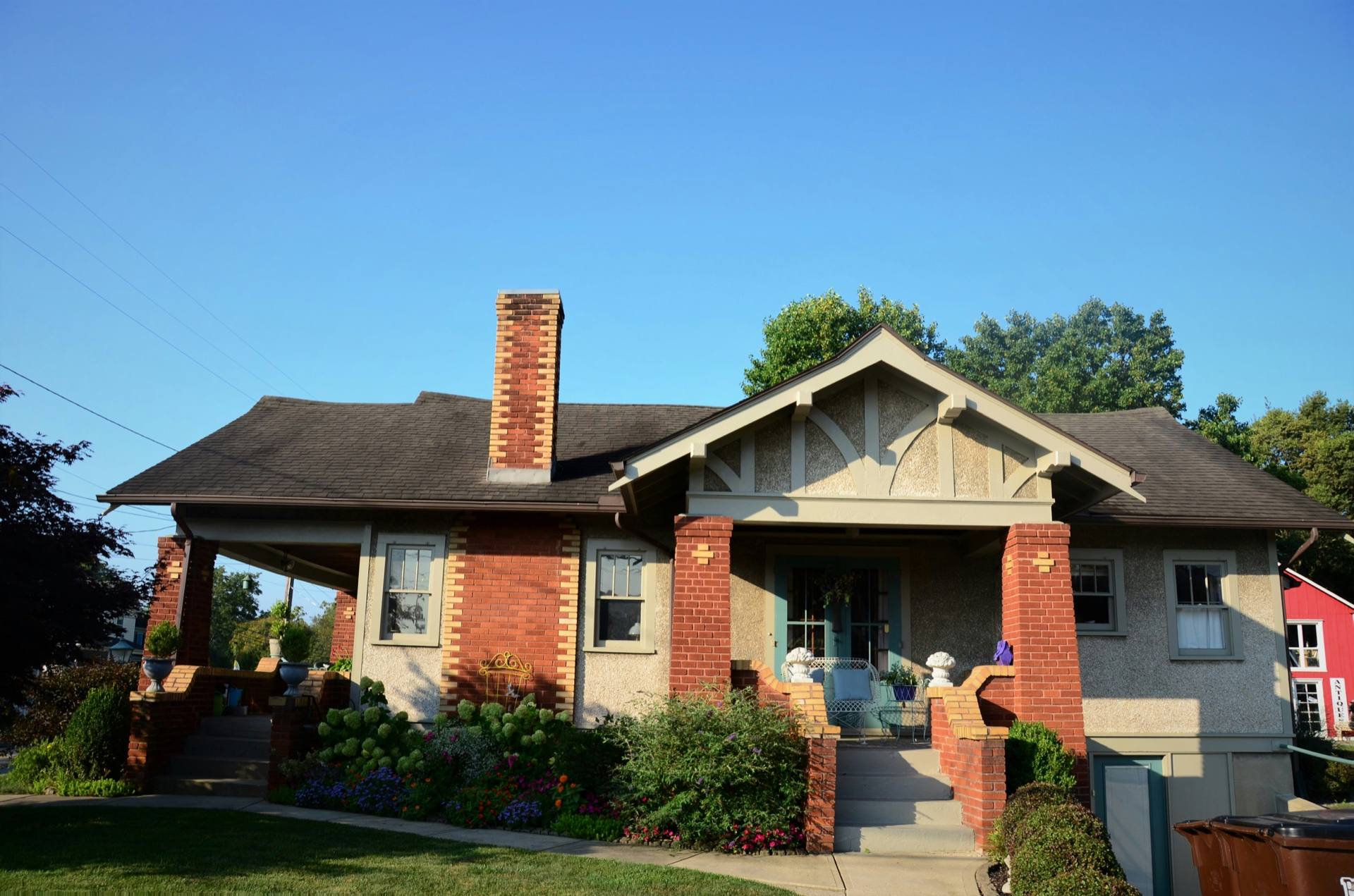
Crescent Lake
A historic neighborhood ringing a 54-acre park lake less than a mile from downtown -- where Babe Ruth took spring training, and Craftsman porches still face tree-lined streets out of the flood zone.
Explore Area →
Culbreath Isles
Culbreath Isles is one of South Tampa's most exclusive addresses — a 24-hour-gated enclave of fewer than 200 homes on Old Tampa Bay, where private docks line the canals and most homes come with deep-water bay access.
Explore Area →— Communities
Explore St Petersburg Communities
Coastal lifestyle neighborhoods with strong character.
Allendale Terrace
Cobblestone brick streets, estate-scale lots, and 1920s Mediterranean and Tudor homes on high ground north of Crescent Lake.
Explore Area →Coquina Key
A man-made island 3 miles south of downtown St. Pete — canals, private boat docks, and Tampa Bay access at prices that still make waterfront living attainable.
Explore Area →Crescent Lake
A historic neighborhood ringing a 54-acre park lake less than a mile from downtown -- where Babe Ruth took spring training, and Craftsman porches still face tree-lined streets out of the flood zone.
Explore Area →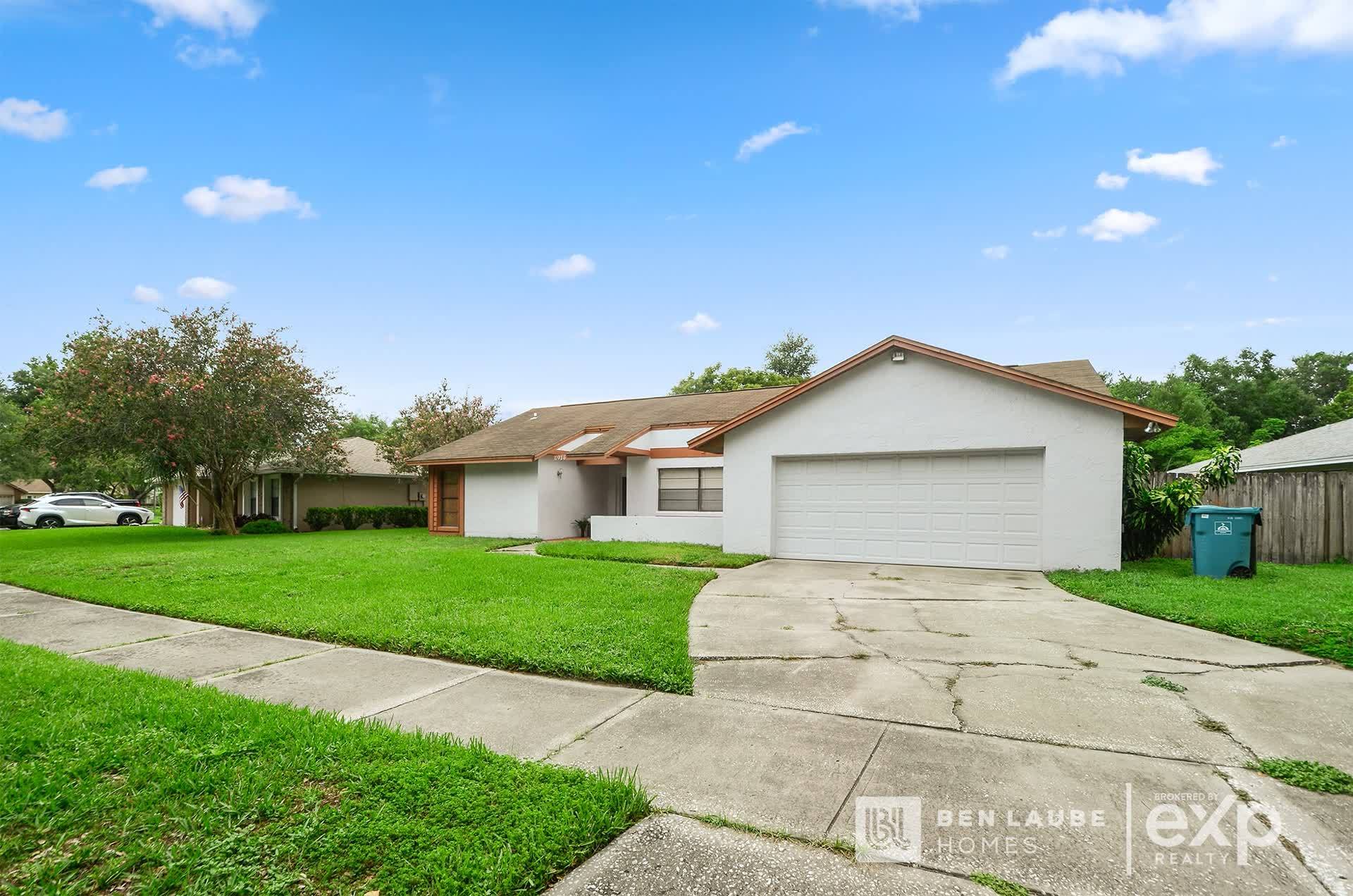
Disston Heights
Disston Heights is one of central St. Petersburg's largest mid-century neighborhoods — named for Hamilton Disston, the Philadelphia saw magnate who purchased 4 million acres of Florida in 1881 — and sits on some of the highest ground in Pinellas County, putting most homes entirely in FEMA Flood Zone X.
Explore Area →
Downtown St. Petersburg
Arts district, waterfront parks, the Dali museum, and a national-award-winning dining scene concentrated along Central Avenue and Beach Drive.
Explore Area →
Euclid-St. Paul
One of St. Petersburg's oldest residential neighborhoods — brick streets, 1920s craftsman and Queen Anne homes, Zone X flood status, and under 2 miles from downtown without the waterfront premium.
Explore Area →
— Your Agent
Ben Laube
Broker Associate · eXp Realty
Ben Laube has spent his career helping Central Florida families find the right home — whether that is a first starter in St. Petersburg, a waterfront estate on Snell Isle, or a relocation into Winter Park. He works across the Tampa Bay, St. Petersburg, and Greater Orlando markets as a broker with eXp Realty.
Click Here To Learn More!— Social Proof
What Clients Are Saying
Stories from buyers and sellers across Central Florida and Tampa Bay.
“Sold our Winter Park home over asking in nine days. The photography, the listing copy, the open-house choreography — every piece was dialed in.”
— David L., Winter Park, FL
“We interviewed three agents. Ben was the only one who asked what we wanted our life to look like in five years before he asked about our budget. That told us everything.”
— Robert & Tiffany M., Tampa, FL
“Relocating from Chicago was a huge undertaking. Ben walked us through schools, neighborhoods, and contracts with patience I did not expect from a broker — more like a friend who happens to know real estate.”
— Jennifer R., Tampa, FL
“Ben helped us find a home in the Old Northeast that was never even on the market. He knew a seller, made a call, and three weeks later we had the keys.”
— Sarah & Michael K., St. Petersburg, FL
“As a first-time buyer, I was nervous about everything. Ben answered every question twice and never once made me feel small. Ended up in a home I love.”
— Priya S., Windermere, FL
— Frequently asked
The questions most buyers ask
Straight answers on the five topics that come up in every Florida real estate conversation. For anything else, reach out and I'll walk you through it.
How long does it take to buy a home in Florida?
Seven to nine weeks is typical for a financed Florida home purchase — from pre-approval to keys. Cash deals can close in 2-3 weeks. The stages that most commonly slow deals: appraisal turnaround (10-14 days), insurance binding (especially in flood zones or for older homes needing wind mitigation reports), and condo document review when applicable.
What is the difference between AE, VE, and X flood zones in Florida?
X zones are minimal flood risk — flood insurance is optional and cheap if purchased. AE zones are inside the 100-year flood plain — insurance is required for financed homes and costs $1,500-$4,000/year typical. VE zones are high-velocity wave-action coastal — insurance can run $5,000-$15,000+/year. Always quote insurance BEFORE making an offer on anything near water.
Do I need a wind mitigation inspection to buy a Florida home?
Not technically required to close, but it is required to get good insurance rates. A wind mitigation inspection documents roof age, roof-to-wall connections, opening protections, and other hurricane-resilience features. Florida insurers apply significant discounts for favorable ratings — often 30-50% off the premium. Always pair it with a 4-point inspection (roof, electrical, plumbing, HVAC) for insurability.
What are typical closing costs for a Florida home buyer?
Florida buyer closing costs typically run 2.5-4% of purchase price, plus the down payment. On a $500K home with 20% down, expect roughly $13,000-$18,000 total: lender fees (origination, appraisal, credit), title insurance (promulgated Florida rate), documentary stamp tax on the mortgage, intangible tax, recording fees, and prepaids (taxes + homeowner insurance + flood if required). Waterfront homes add flood insurance prepay.
Who pays the real estate commission in Florida?
Traditionally the seller paid both sides of the commission out of closing proceeds — roughly 5-6% of the sale price split between listing agent and buyer agent. After the 2024 NAR settlement, buyer agent commissions are now directly negotiated between buyer and their agent, though sellers can still offer a buyer-side commission to attract offers. The specific arrangement is disclosed in the buyer-broker agreement signed before tours.
Let's Put Your Plan Together
The more you tell me up front, the better the first reply.