— How-To Articles
How-To Articles
Practical walkthroughs — Florida insurance, condo recertification, FAR/BAR contracts, 1031 exchanges, and the procedural questions that come up at the closing table.

Disney-Area Airbnb Math: What 50 Storey Lake Hosts Actually Clear
A 5-bedroom pool home in Storey Lake can gross $65,000–$85,000 per year on Airbnb. After platform fees, cleaning, management, property tax, STR insurance, HOA, and mortgage service, most investors land between -$4,000 and +$10,000 annual cash flow. Here is the actual math, and why that range matters.

Florida Real Estate Disclosure Requirements: What Sellers Must Tell Buyers
Florida sellers must disclose any known material defect that affects property value and cannot be spotted in a normal walkthrough — a rule rooted in Johnson v. Davis (1985). This covers what counts as a material defect, which disclosures are required by statute, and where sellers most often run into trouble.

Mold and Water Damage Disclosure in Florida Real Estate
Florida has no stand-alone mold disclosure statute — but sellers are still legally required to disclose known mold and water damage under Johnson v. Davis (1985). Here is what that means for sellers filling out the FAR/BAR disclosure form, and what buyers should order before they close.

Miami-Dade 40-Year and Broward 50-Year Condo Recertification: What Buyers Need to Know
Miami-Dade has required 40-year building recertification since 1975. Broward adds a 50-year follow-up. Here is what those inspections cover, how much repairs cost, and the five questions every condo buyer should ask before making an offer.

Florida Condo Milestone Inspection Law: What SB-4D Means for Every Buyer
Florida Statute 553.899 — the milestone inspection law enacted after the 2021 Surfside collapse — applies statewide to every condo and co-op three stories or taller. Here is what the law requires, when inspections trigger, and the questions you must ask before buying any condo 25 years or older in Florida.

What Makes a Home Senior-Friendly in Florida?
Florida has more adults over 65 than any other state. Whether you are buying for yourself or a parent, knowing which home features actually matter for aging in place — single-story layouts, no-step entries, walk-in showers, lever handles, and AC reliability — saves time and money.

Open House Tips for Buyers and Sellers in Florida
Open houses work differently when the market is moving and the climate runs hot. Whether you are touring a home or hosting one, here is what to do and what to skip in Central Florida and Tampa Bay.

Florida Home Insurance and Sinkholes: What's Actually Covered
Florida law requires all homeowners' policies to include catastrophic ground cover collapse coverage — but that only pays out in extreme cases. Sinkhole loss coverage is different, optional, and usually costs extra. Here's how to know which one you have and whether it's enough.

1031 Exchange for Florida Real Estate Investors: The Complete Guide
A 1031 exchange lets you sell an investment property and defer capital gains tax — potentially indefinitely — by rolling the proceeds into a like-kind replacement property. Here is how the rules work, what Florida investors need to know, and where the math can go sideways.

Florida Hurricane Insurance: Wind, Flood, and Citizens Explained
Florida hurricane insurance is not one policy — it is three overlapping coverages: your homeowners wind policy, a separate flood policy, and possibly Citizens as your insurer of last resort. Here is how they interact and what to verify before storm season.

Florida's Save Our Homes Cap: How Homestead Protects You from Tax Spikes
Florida's Save Our Homes cap limits assessed value increases to 3% per year for your primary residence. File for homestead by March 1 and you'll never see runaway tax spikes — but skip it and pay full market rate every year.

The Florida Home Inspection Checklist: What Your Inspector Should Actually Look For
A good inspector finds things — the question is which category each finding falls into. Here is what Florida buyers need to evaluate in the report, from roof age and 4-point insurance hurdles to AC life expectancy and the difference between a cosmetic stucco crack and a structural one.

Title Insurance in Florida: Owner vs. Lender, Who Pays, and Why It Matters
Title insurance sounds boring until the day you need it. In Florida, rates are state-set and every company charges the same premium — but who pays, what's covered, and whether you even need an owner's policy are questions most buyers get wrong.

Florida Wind Mitigation Inspections: How the Report Saves You Thousands
A wind mitigation inspection costs $75–$150 and can cut your homeowners insurance premium by hundreds of dollars a year. Most Florida buyers skip it — and overpay for years. Here is what the report covers and how to use it.

The Florida Real Estate Closing Process, Step by Step
Florida closings take 30–45 days for financed purchases and as few as 10 for cash. Here is what happens at each stage — from the escrow deposit through the closing table — and what to watch for so nothing derails your timeline.

Florida HOA 101: What You're Really Paying For (and the CDD Trap)
HOA fees are Florida's biggest surprise for out-of-state buyers — but CDDs are the trap most never see coming. Here's exactly what you're paying for, what typical ranges look like in Tampa Bay and Central FL, and how to spot a CDD before you make an offer.

Florida Flood Zones, Explained: What X, AE, and VE Mean for Your Insurance
Every Florida home has a FEMA flood zone designation — and that two-letter label can add $2,000 to $10,000 a year to your cost of ownership. Here is what X, AE, AH, and VE actually mean, how to look up any address, and what you can do if you want to challenge the map.

What Is a 4-Point Inspection (and Why Florida Insurers Require It)?
Florida insurers routinely require a 4-point inspection before writing a policy on homes 25+ years old. Here's what gets checked, what it costs ($75–$150), and what happens when the inspector finds something wrong.

Dock and Boat Lift Permits in Florida: What Every Waterfront Owner Needs to Know
Yes, you almost certainly need a permit to build a dock in Florida. Most single-family docks go through three separate review layers: your county or city building department, the Florida DEP, and sometimes the Army Corps of Engineers. Expect $500–$2,500 in permit fees plus engineering costs.

Florida Owner-Builder Rules: What You Can (and Can't) Do Under FS 489.103
Florida law lets property owners build or improve their own home without a GC license — but the exemption has a hard 1-year resale restriction, a required disclosure form for subs, and real workers' comp exposure most people don't expect. Here's exactly how it works.

Citizens Property Insurance: Who Qualifies and When to Leave
Citizens Property Insurance is Florida's insurer of last resort — not a first choice. You can only qualify if private carriers charge 20% or more above Citizens' rate. Here's how eligibility works, what a depopulation offer means, and when staying with Citizens is actually the right call.
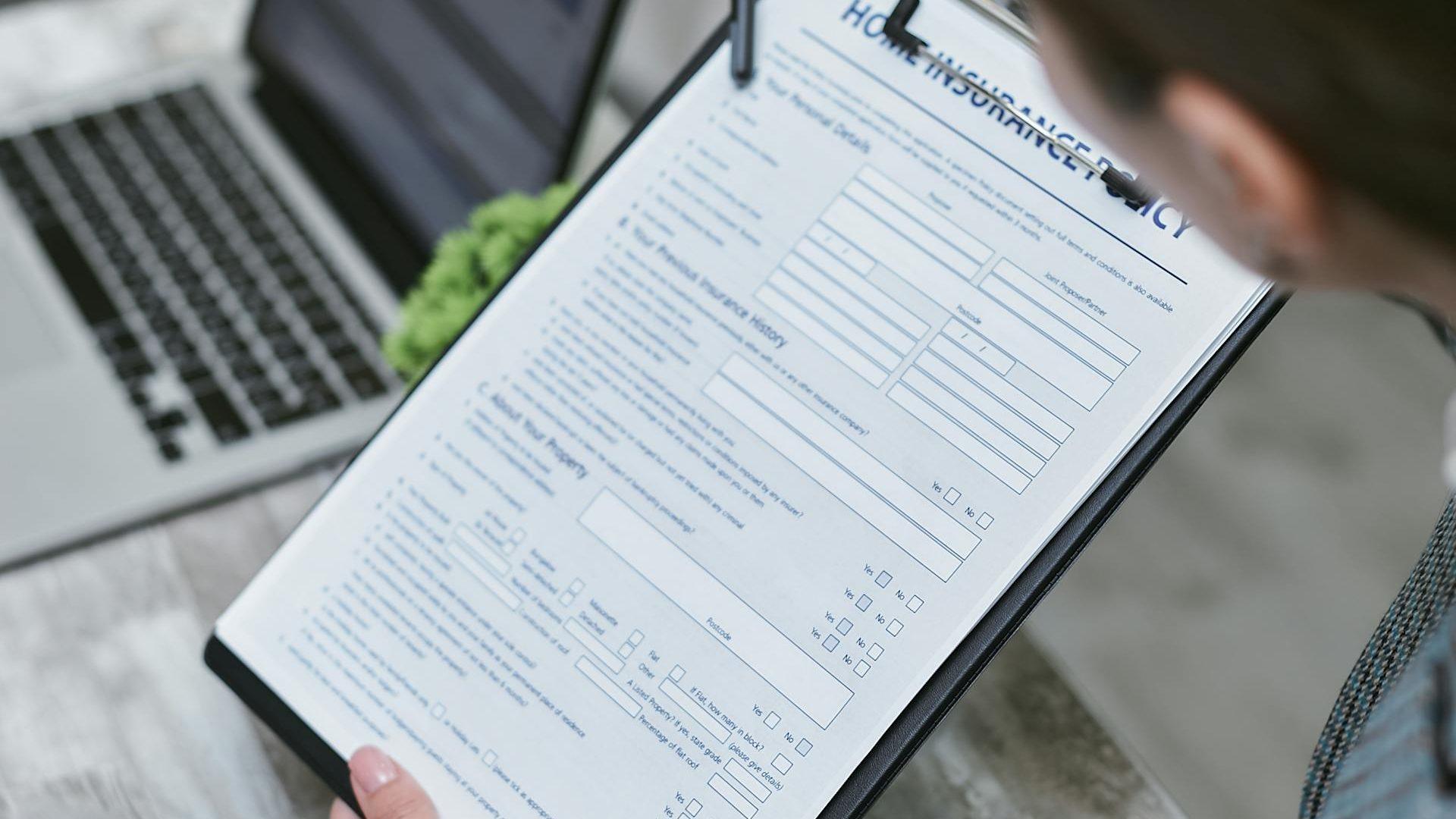
Citizens Depopulation in Florida: What to Do When You Get a Takeout Offer
Citizens Property Insurance is actively moving Florida homeowners to private carriers through its depopulation program. Here is what the 20% rule means for you, how rate caps work, and whether you should accept a takeout offer or fight to stay.
Post-Closing Occupancy Agreement in Florida: What Buyers and Sellers Need to Know
Yes, a seller can stay in the house after closing in Florida — but only with a signed post-closing occupancy agreement. Here is how the daily rate, security deposit, 60-day Chapter 83 threshold, and FAR-BAR Comprehensive Rider F actually work.
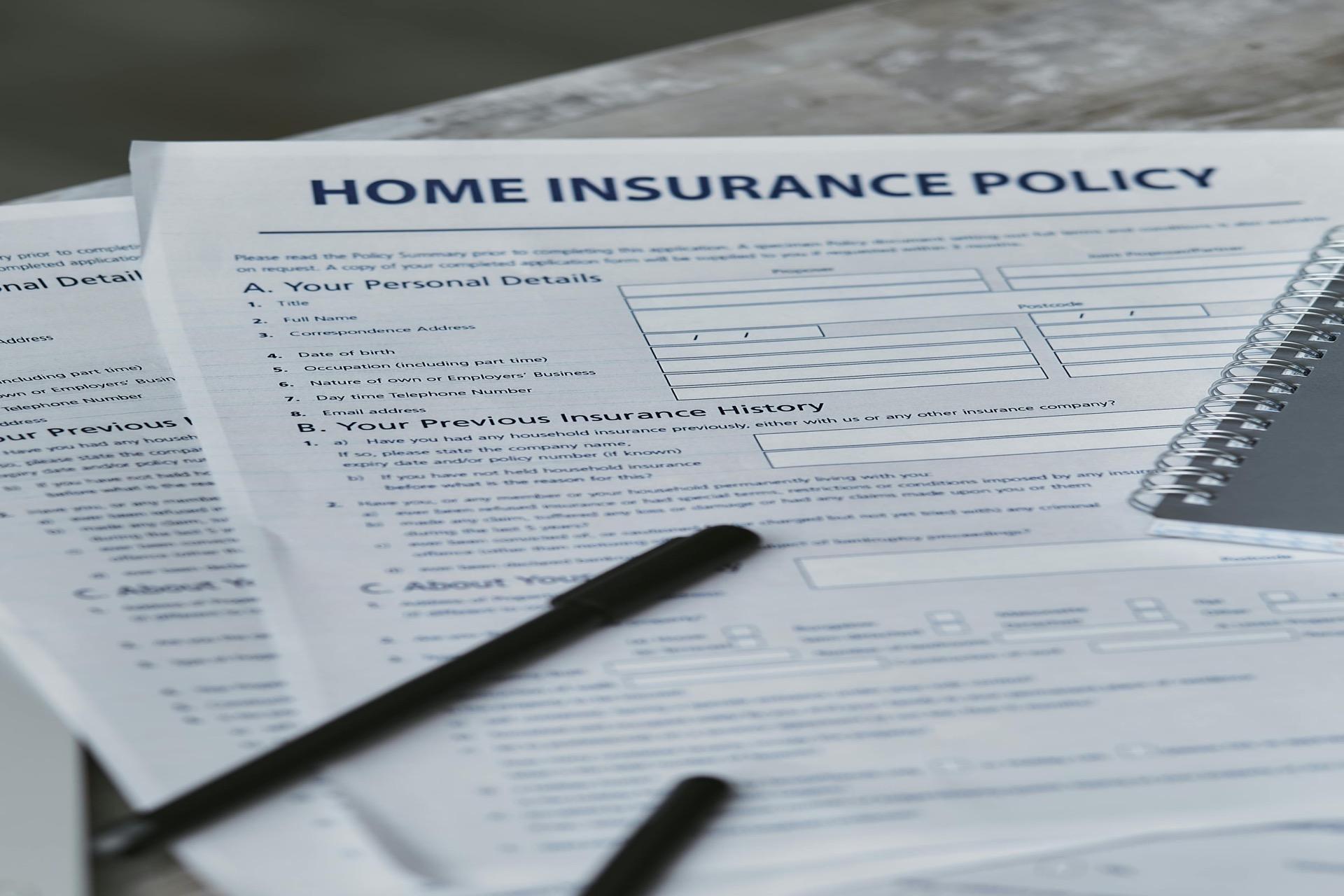
Assignment of Benefits in Florida: What Homeowners Need to Know After the Ban
Florida banned new assignment of benefits agreements in December 2022. SB-2A ended the contractor-led AOB model that drove a decade of insurance fraud. Here is what that means for your roof and water-damage claims today.
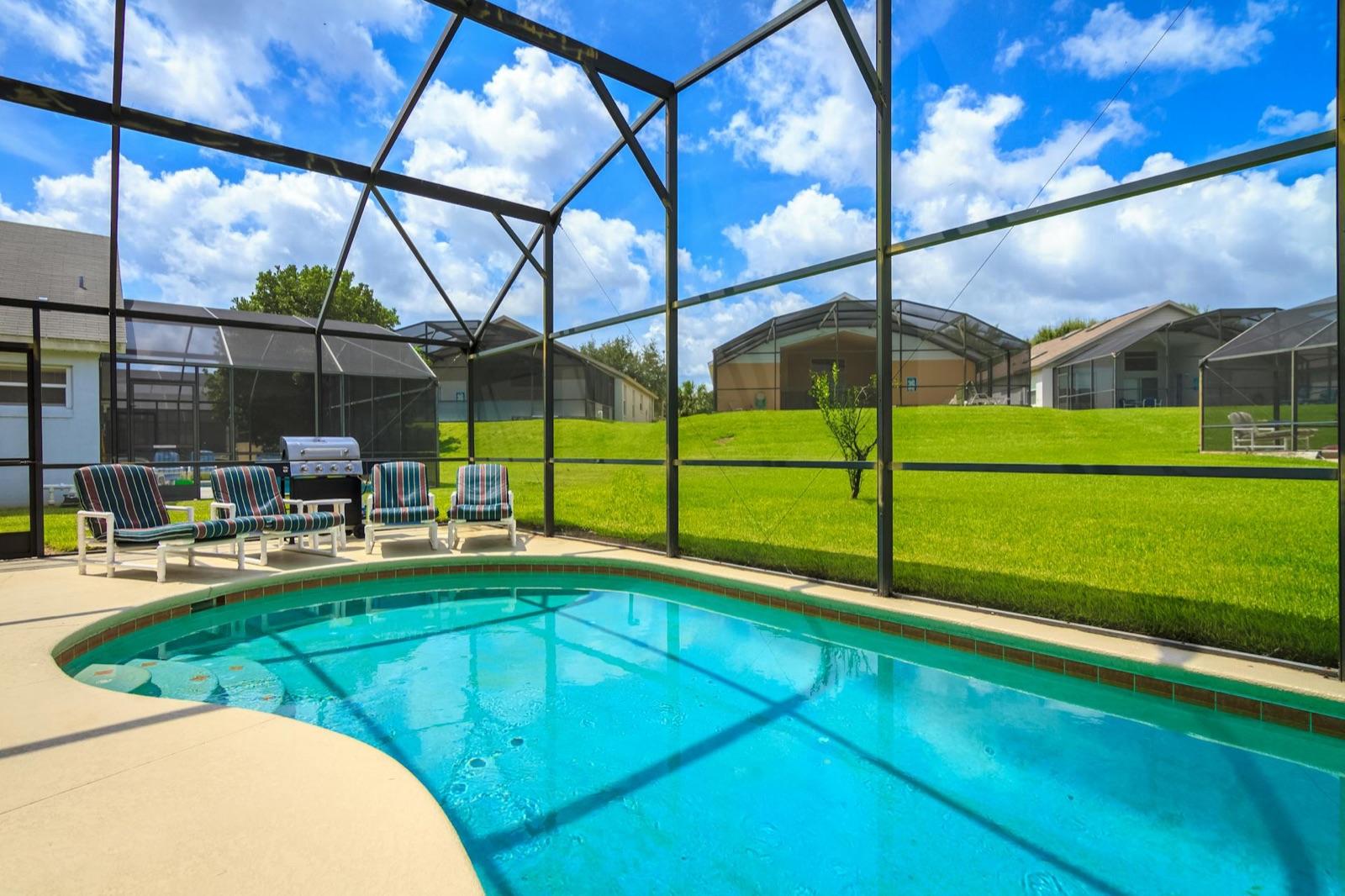
Short-Term Rental Rules in Orlando and Tampa: What You Can — and Cannot — Do by City
Short-term rental rules vary dramatically across Central Florida and Tampa Bay — Orlando bans nightly rentals in most single-family zones, while Kissimmee and Davenport built their economies around them. Here is what the rules actually say, city by city, plus what the failed 2024 state preemption bill means for investors going forward.
Owner's vs. Lender's Title Insurance in Florida: What Each Policy Does
Florida requires a lender's title policy for every financed purchase — but only the owner's policy protects you. Rates are state-set (no shopping), but the reissue discount can cut your premium by 40% if the seller's policy is under three years old.

Florida Doc Stamps and Intangible Tax: A Plain-English Guide
Florida charges documentary stamp taxes on every deed and mortgage — and a separate intangible tax on the loan. Most buyers from out of state have never heard of these. Here is exactly what you owe, who pays what, and how to calculate it before you get to the closing table.
Reading a Florida Builder Contract: The 7 Clauses That Bite Buyers
Builder contracts in Florida are written by the builder's attorneys — not yours. Seven specific clauses show up in every standard agreement and routinely catch buyers off guard: delivery-date language, force majeure scope, price escalation, deposit forfeiture, design center commitments, warranty carve-outs, and arbitration waivers.

Buying Florida Real Estate as a Foreign Buyer: The Complete Guide
Florida remains one of the top destinations for international real estate buyers, but the process has real legal and tax layers -- from FIRPTA withholding to foreign-national mortgages and the 2023 SB 264 ownership restrictions. Here is what to know before you make an offer.

How to Buy a Foreclosure Property in Florida
Florida is a judicial foreclosure state, meaning every foreclosure goes through the courts — and the average case runs 200 to 400 days from lis pendens filing to certificate of title. That timeline creates three distinct windows to buy: pre-foreclosure, courthouse auction, and REO. Each one has a different risk profile, price point, and title situation.

Florida Homestead Exemption: How to File, What You Save, and What Disqualifies You
Florida's homestead exemption reduces your taxable value by up to $50,000 and caps annual tax increases at 3%. You must apply by March 1 at your county property appraiser's office — here's exactly how to do it and what can cost you the benefit.

The FAR-BAR Contract in Florida: A Section-by-Section Walkthrough
The FAR-BAR AS-IS contract governs 95%+ of Florida residential transactions. Here is what buyers and sellers need to know about the key sections — from deposit structure to inspection rights, financing contingency, title evidence, and what happens when someone defaults.

Guide to Property Tax System
Introducing the Ultimate Guide to Property Tax System Monthly Breakdown! Property taxes can be a daunting aspect of homeownership, often leaving many with questions about where their hard-earned money goes. In this blog, we provide you with a monthly breakdown that simplifies thi

FHA Appraisal Home Inspection Checklist
Welcome to our comprehensive guide on the FHA Appraisal Home Inspection Checklist. Whether you're a homebuyer, seller, or real estate professional, understanding the Federal Housing Administration (FHA) appraisal process is crucial. FHA loans are popular among buyers due to their

Choosing an Investment Property Agent in Florida: What Actually Matters
Not every real estate agent is equipped to handle investment property transactions in Florida. Here is what separates a capable investor-focused agent from a generalist — and the questions you should ask before signing anything.