
— Ben Laube Homes Blog
Florida HOA 101: What You're Really Paying For (and the CDD Trap)
I show homes to buyers from Michigan, Ohio, and New York every month. The conversation about HOA fees usually goes fine — they understand the concept. But when I mention the CDD line on the tax bill, the room goes quiet. Nobody warned them about that one.
Florida has one of the highest HOA prevalence rates in the country. Most homes built in master-planned communities after the 1990s carry some form of association fee — and many new-construction neighborhoods carry a second charge on top of that, called a Community Development District assessment. This guide breaks down both.
What Does an HOA Actually Fund?
An HOA is a private nonprofit corporation that maintains shared amenities and enforces community standards. Your monthly dues go toward a mix of operating costs and reserves. In a typical Central Florida or Tampa Bay subdivision, that means:
- Landscaping and maintenance of common areas, entry features, and medians
- Community pool, fitness center, tennis courts, or clubhouse operations
- Gated entry systems and security monitoring (where applicable)
- Insurance on common structures — NOT your individual home
- Reserve fund contributions for major future repairs (roofs on common buildings, resurfacing roads, pool replastering)
- Professional management company fees
- Legal and administrative costs
In a condo association, the scope is wider. Condo fees typically cover building exterior maintenance, roof replacement, hallway utilities, and often water and sewer. That's why condo fees run significantly higher than single-family HOA dues.
Typical HOA Ranges in Central Florida and Tampa Bay
Here's what I see in practice across the markets I work in. These are general ranges — your specific community's dues depend on the amenity load and reserve funding level.
- Single-family homes in gated communities: $150–$350/month
- Single-family homes in luxury or amenity-heavy communities: $300–$500/month
- Townhomes: $200–$450/month (often includes some exterior maintenance)
- Condos in Tampa Bay: $400–$800/month typical range; luxury towers run higher
- Condos in Central Florida (Orlando, Lake Nona): $300–$700/month
Post-2024, condo fees in particular have climbed. Florida law now requires condo associations to maintain fully funded reserves — a direct response to the 2021 Surfside collapse. Associations that had been waiving reserves for years are now playing catch-up, and those costs flow directly to owners.
The CDD Trap: What It Is and Why It Catches Buyers Off Guard
A Community Development District is a special-purpose local government created under Florida Statute Chapter 190. When a developer builds a master-planned community, they typically need to finance major infrastructure — roads, stormwater systems, utilities, parks, fitness centers, gated entries. Instead of paying for all of it upfront, they form a CDD and issue tax-exempt bonds.
Here's the part buyers miss: once the homes sell, the bond repayment transfers to the homeowners. It shows up not as a separate bill but as a line item on your November property tax statement.
“If a new-construction home looks priced $50k below market, check for a $2,400/year CDD. That's not a typo.”
A CDD assessment has two parts. The first is the bond component — annual payments toward the original infrastructure debt, which typically run 25 to 30 years before the bond is retired. The second is an Operations and Maintenance component that covers ongoing upkeep costs. The O&M portion never goes away, even after the bond is paid off.
Combined, CDD assessments in Central Florida commonly run $1,500 to $3,500 per year. Some communities in rapidly developing areas push toward $5,000. On a $350,000 home, a $3,000/year CDD adds roughly $250 per month to your effective housing cost — on top of whatever the HOA charges.
Which Central Florida Communities Have CDDs?
Any large new-construction master-planned community is a likely candidate. In my markets, these are the areas where I consistently see CDD assessments:
- Lake Nona (Orange County) — extensive CDD network across multiple sub-communities; expect $2,500–$4,000/year depending on the specific district
- Horizon West (Orange County) — communities like Storey Grove, Lakeshore, and Emerald Lake carry CDDs that vary by sub-district
- Wesley Chapel (Pasco County) — Epperson Ranch, Persimmon Park, and Wiregrass Ranch all have CDD assessments
- FishHawk Ranch (Lithia, Hillsborough County) — long-established community with active CDD
- Nocatee (St. Johns County) — one of the largest CDDs in the state by bond size
Older established neighborhoods — think South Tampa, St. Petersburg's Historic Kenwood, or most pre-1990 subdivisions — typically do not have CDDs. The CDD model is a product of the Florida development boom of the late 1990s through the present day.
HOA vs. CDD: The Practical Difference
You can be in a community with an HOA, a CDD, or both. Here's how they differ in practice:
- HOA: private association, controls architectural standards and amenity access, billed separately from taxes
- CDD: special-purpose government, finances infrastructure, collected via your property tax bill
- HOA fees are generally not tax-deductible. CDD bond and O&M assessments may be — consult your CPA.
- Both can place a lien on your property for non-payment. Both liens can lead to foreclosure.
Frequently Asked Questions
What's the difference between an HOA and a CDD?
An HOA is a private corporation that enforces community rules and manages shared amenities. A CDD is a government entity created to finance the initial construction of a community's infrastructure. HOA fees show up as a separate monthly or quarterly payment. CDD assessments appear on your annual property tax bill. Many Florida communities — especially newer master-planned ones — have both.
Do all Florida homes have HOAs?
No. Homes in older urban neighborhoods, rural areas, and individual custom lots typically do not have HOAs. But most Florida homes built in subdivisions or planned communities from the 1990s forward do. Florida has one of the highest HOA-prevalence rates in the US — estimated around 49% of all Florida homeowners live under some form of association governance.
Can HOA fees go up?
Yes, and there is no state law capping how much an HOA can increase dues in a given year. The board must follow proper procedures — advance notice, a meeting, budget justification — but the percentage increase itself is uncapped. Expect fees to continue rising in communities where reserves were previously underfunded or where insurance costs have increased sharply, which describes much of coastal Florida.
What happens if I don't pay my HOA or CDD fees?
Both escalate quickly. Late fees and interest start immediately. The association can add attorney fees on top. Both HOA and CDD can place a lien on your property — and in Florida, that lien can lead to foreclosure even if your mortgage is current. CDD non-payment is treated as a tax delinquency with the same consequences as unpaid property taxes. I have seen buyers surprised by this; do not let it happen to you.
How do I find out if a home has a CDD before I make an offer?
Ask your agent to pull the most recent property tax bill for the address. Look for a line item labeled 'CDD,' 'Community Development District,' or the district's specific name (e.g., 'Epperson Ranch CDD'). The MLS listing may disclose it, but the tax record is the authoritative source. You can also look up the property on the county property appraiser's website — all CDD districts are registered with the county.
What to Ask Before You Make an Offer
When you're evaluating a home in a planned community, four numbers matter beyond the list price: the HOA monthly fee, the current reserve fund balance (ask the seller for the HOA financials), any pending special assessments, and the annual CDD line on the tax bill. Add them up and convert to a monthly cost. That's your true housing payment floor.
I walk every buyer I work with through this math before they go under contract. The goal isn't to talk you out of a community — some CDD-heavy communities in Lake Nona and Horizon West are genuinely excellent places to live. The goal is to make sure you know what you're agreeing to on day one.
Nearby
Neighborhoods featured in this post
 Featured
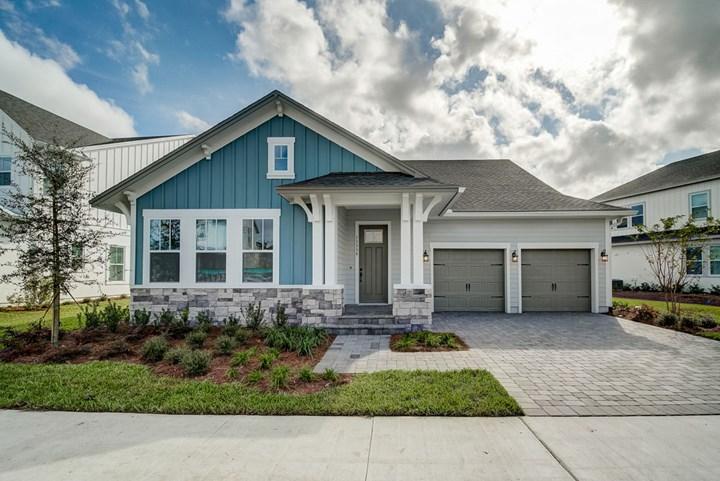
Lake Nona
Orlando
Southeast Orlando's 17-square-mile master-planned community built around a 650-acre Medical City campus — UCF Health Sciences, Nemours Chil…
 Featured
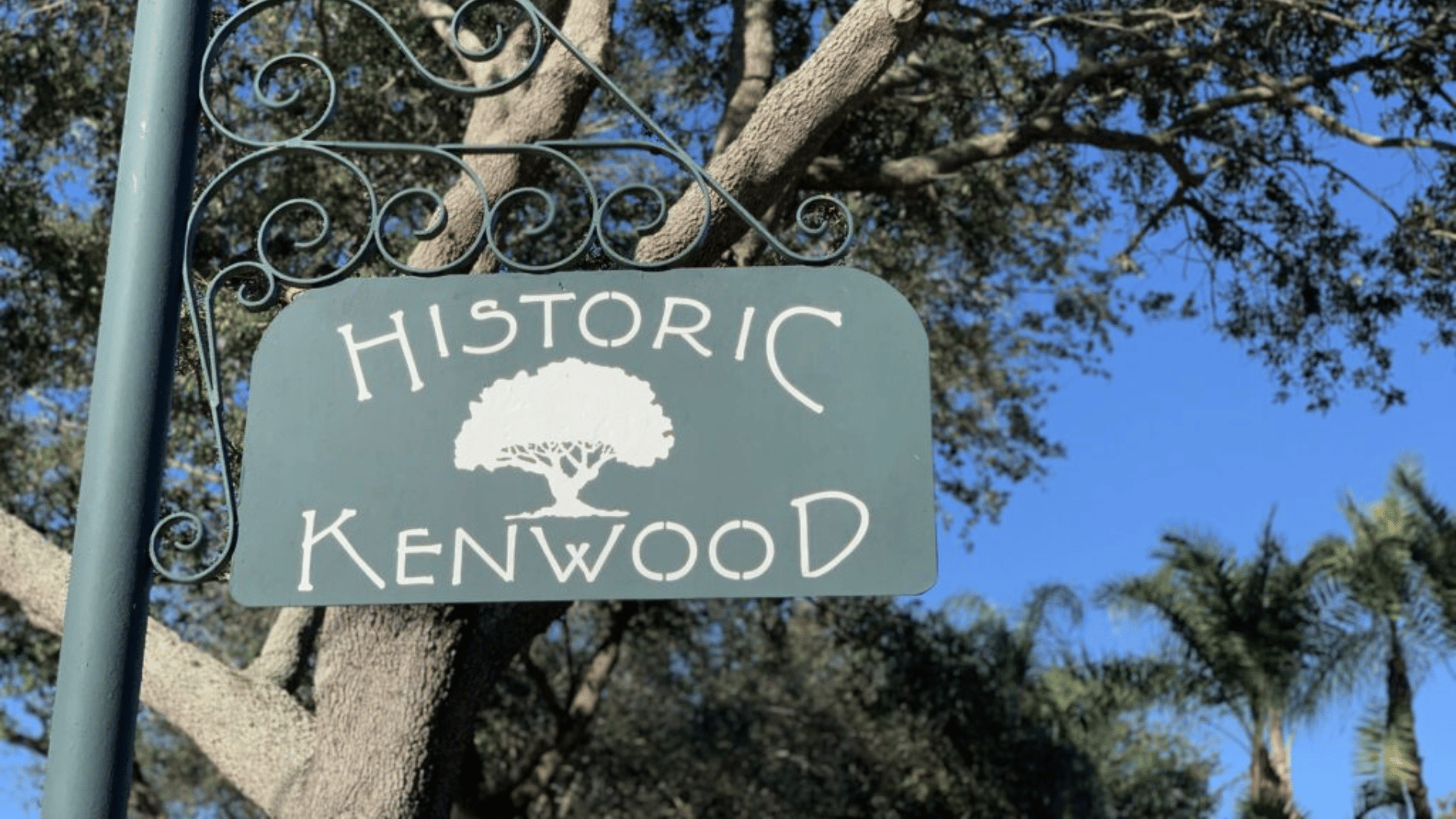
Historic Kenwood
St. Petersburg
A 375-acre National Register district of Craftsman bungalows west of downtown — and home to St. Pete's official Artist Enclave, where resid…
 Featured
South Tampa
Tampa
Historic + contemporary mix stretching from Bayshore Boulevard to MacDill. Top-rated schools and walkable village pockets.
 Featured
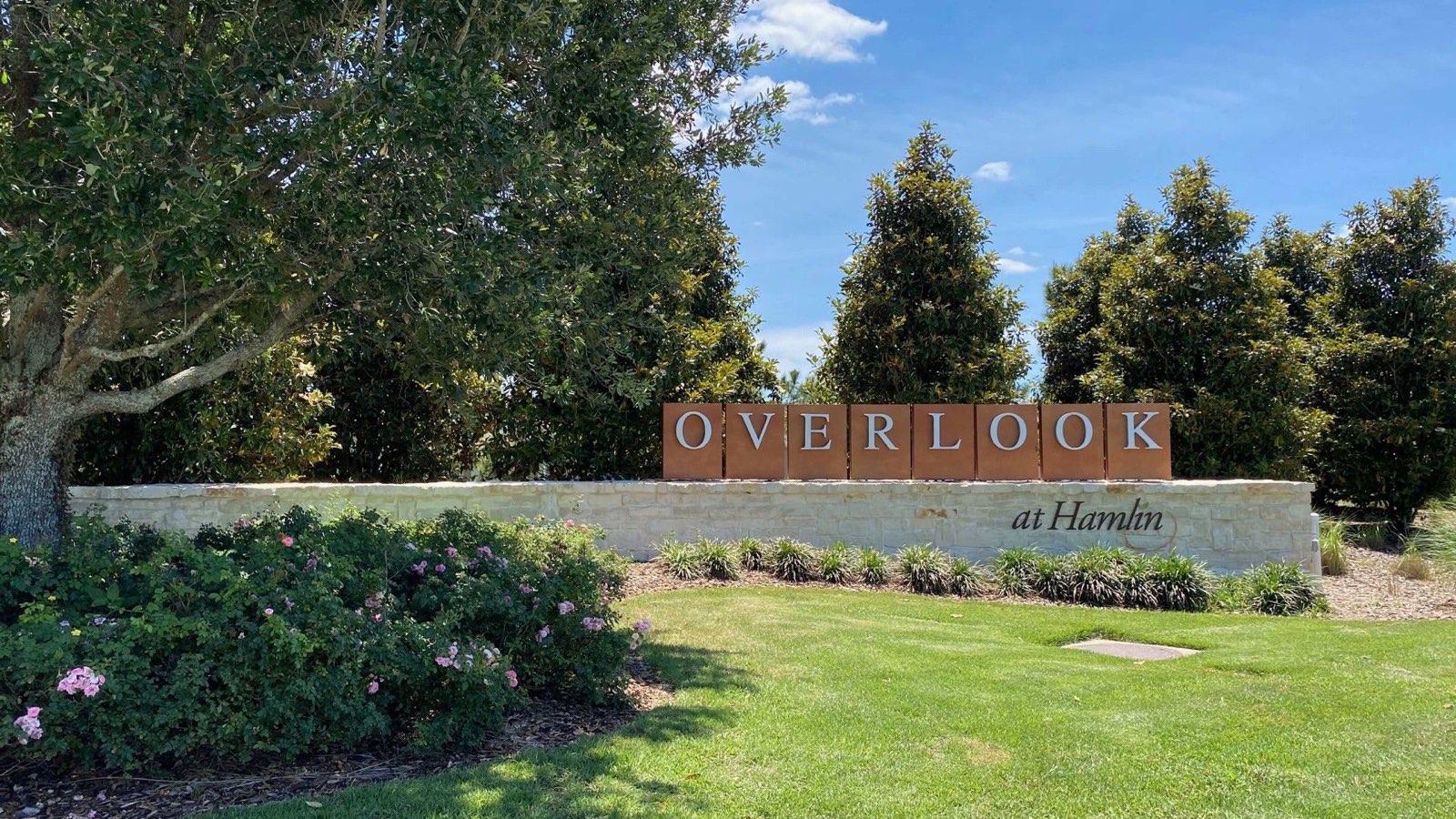
Horizon West
Winter Garden
Orange County's largest master-planned community — 20,000+ acres organized into distinct villages (Hamlin, Lakeside, Bridgewater) with its…
Questions about your own market?
Reach out for a tailored take on your neighborhood, timeline, or price band.