— Buying Articles
Buying Articles
Articles on buying a home in Florida — financing, contingencies, inspections, closing, and the Florida-specific traps most national guides skip.
Florida DSCR Loans 2026 — Rates, Requirements, Real Examples
DSCR loans let Florida investors qualify using rental income instead of W-2s. In 2026, rates range from 7.0% to 8.5% depending on your ratio tier. At the 1.15–1.25 threshold, you are in rate-bump territory — and Florida's insurance costs make that gap tighter than most lenders advertise.
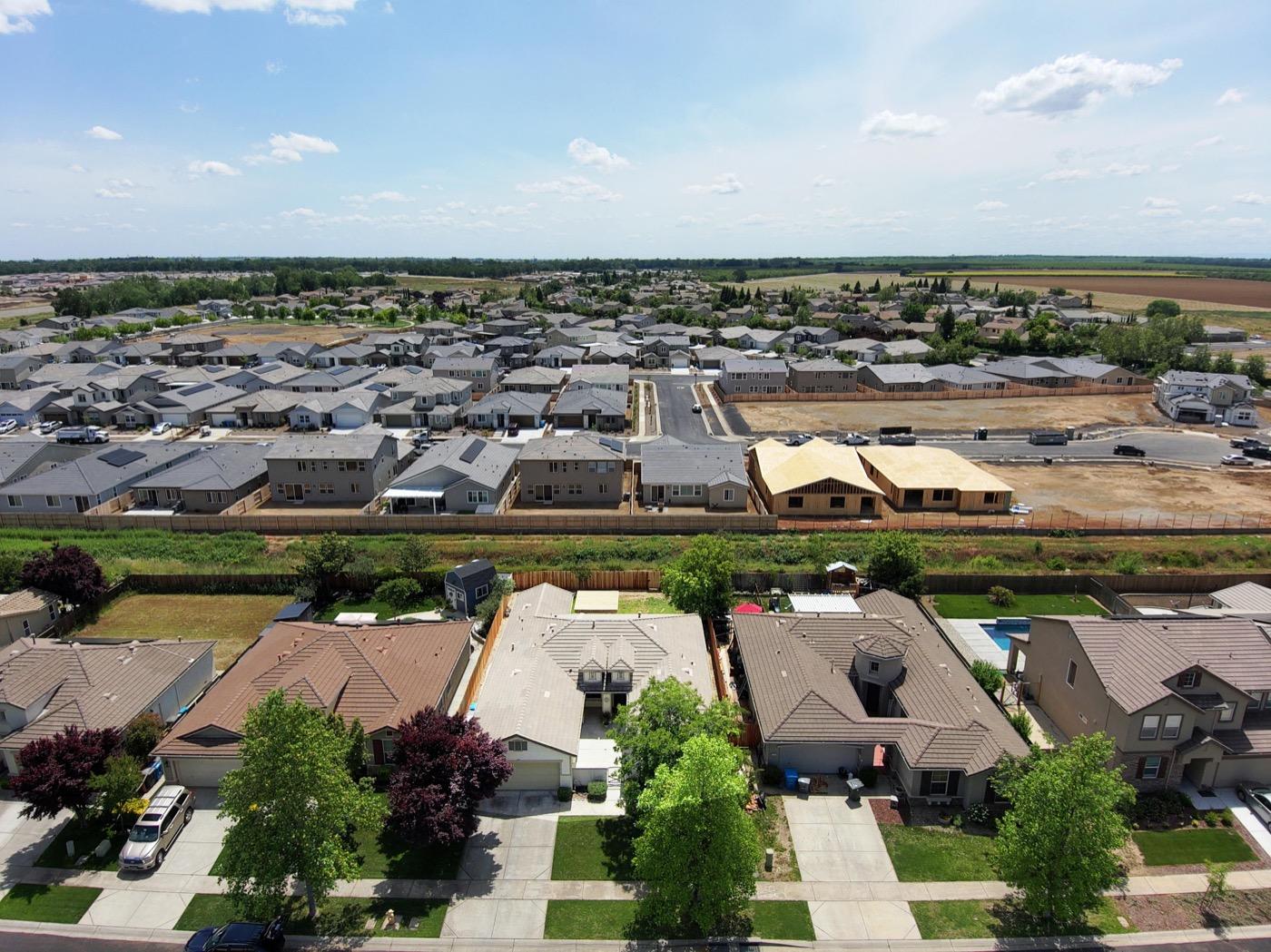
Central Florida Home Builders Compared: Lennar, Pulte, Meritage, Dream Finders, and More
Shopping for a new-construction home in Central Florida? This guide covers every major active builder — Lennar, D.R. Horton, Pulte, Meritage, Dream Finders, Toll Brothers, and more — with price bands, strengths, and honest buyer complaints.

Builder Rep vs. Your Own Buyer's Agent: Who Actually Represents You at the Model Home
The sales rep at the model home works for the builder — full stop. Florida law says so, and it matters before you sign anything. Here is what a buyer's agent actually does in a new construction deal, what happens if you walk in unrepresented, and why the builder's commission budget is already allocated whether you bring an agent or not.
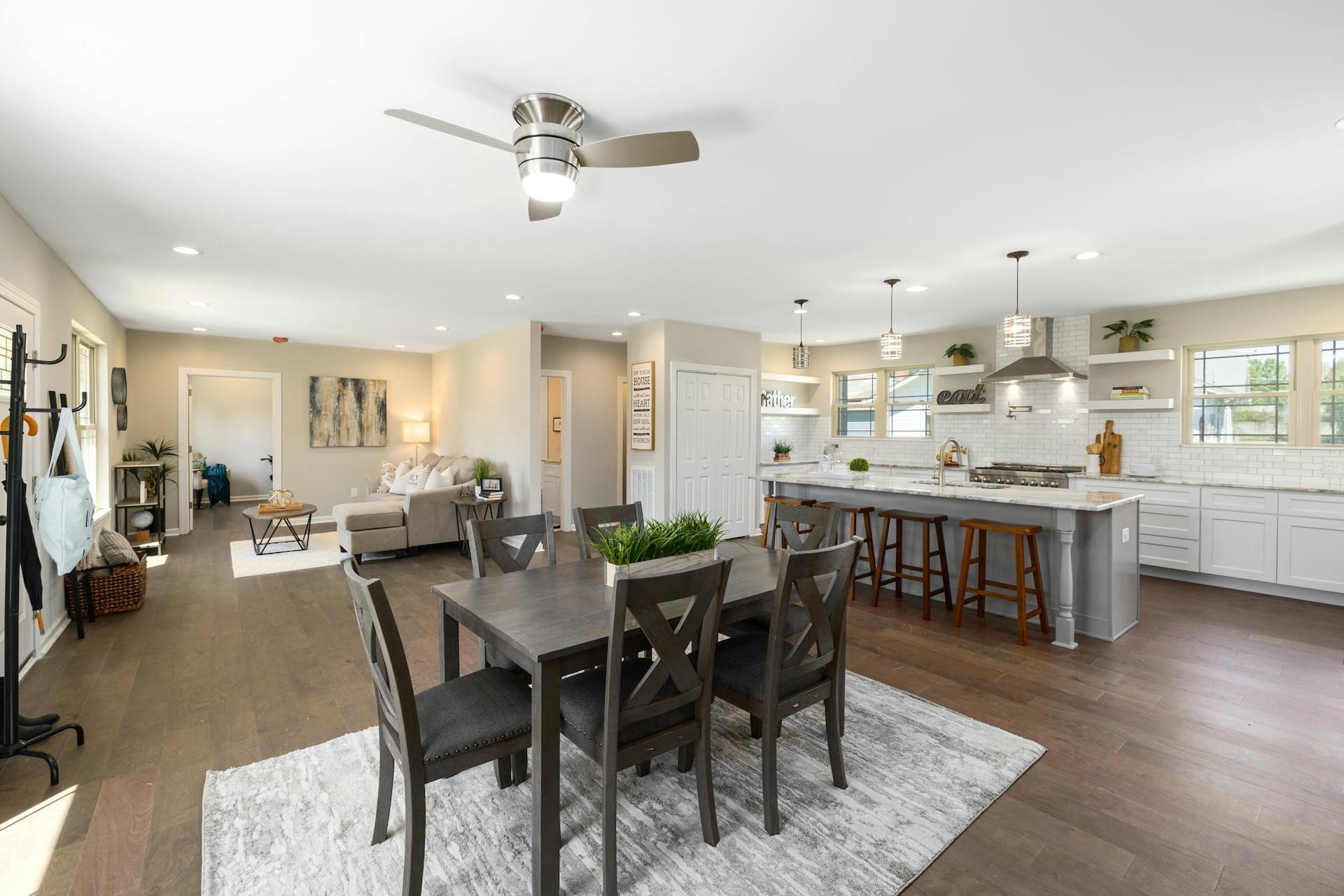
Multigenerational Homes in Florida: ADU Rules, Builder Options, and Floor Plan Tips
About 17% of U.S. buyers now purchase a multigenerational home. In Florida, a new state law effective July 2025 makes it easier to add an in-law suite or ADU to almost any single-family lot. Here is what buyers searching for multigenerational homes in Tampa, Orlando, and Central Florida need to know.

LGBTQ+ Homebuyer Guide for Florida: Rights, Protections, and What to Watch For
Florida has no statewide housing non-discrimination law protecting LGBTQ+ buyers. But federal Fair Housing Act protections do apply — and knowing where the gaps are helps you shop smarter, vet your agent, and title a home correctly as an unmarried couple.

Mortgage Types for Florida Homebuyers: A Plain-English Guide
Florida homebuyers have more loan options than most realize — conventional, FHA, VA, USDA, jumbo, ARM, and specialty programs each fit different situations. This guide covers how each works, the 2026 FL loan limits, and which type fits your credit score, down payment, and property.

FHA vs. Conventional Loan in Florida: Which One Is Right for You?
FHA loans are easier to qualify for but carry lifetime mortgage insurance if you put down less than 10%. Conventional loans cost less over time for buyers with decent credit and equity. Here is what the comparison looks like for Florida buyers in 2026.

VA Loans in Florida: A Practical Guide for Veterans Buying a Home
Yes, VA loans work in Florida — and they are one of the best financing tools available for veterans buying here. No down payment, no PMI, and Florida-specific rules around funding fees, property inspections, and disabled-veteran tax exemptions that most national guides never explain.

How Much to Offer Over Asking Price in Florida
Whether to offer over asking — and how much — depends entirely on your market temperature. In a Florida buyer's market you can often go under ask and ask for concessions. In a seller's market, going over may be table stakes. Here is how to read the signals and size the number.

Which Contingencies to Waive — and Which to Keep — When Buying in Florida
Waiving contingencies can make your offer stand out — but each one you drop puts real money at risk. Here's how to think through the inspection, financing, and appraisal contingencies in a Florida purchase.

How to Win a Bidding War in Florida: Offer Tactics That Actually Work
Multiple offers are still common on well-priced Florida homes, even as the broader market cools. These are the specific tactics — price, terms, and timing — that help buyers compete without overpaying or waiving protections they cannot afford to lose.

Pre-Approval vs. Pre-Qualification: What the Difference Means in Florida
Pre-qualification is a conversation; pre-approval is a commitment. In Florida’s competitive markets, sellers and listing agents can tell the difference instantly — and which letter you bring to an offer changes how you’re treated at the table.

First-Time Home Buyer Guide to Florida Real Estate
Buying your first home in Florida is different from anywhere else — flood zones, wind insurance, CDDs, and Hometown Heroes grants are all part of the deal. Here's the plain-English breakdown, from credit score to closing day.

Buying a Waterfront Home in Florida: What to Check Before You Fall in Love
Waterfront is 20% of the price of a home. Before you make an offer, you need to know who owns the seawall, whether the dock permits are current, and what your flood insurance will cost — because these numbers move fast in Florida.
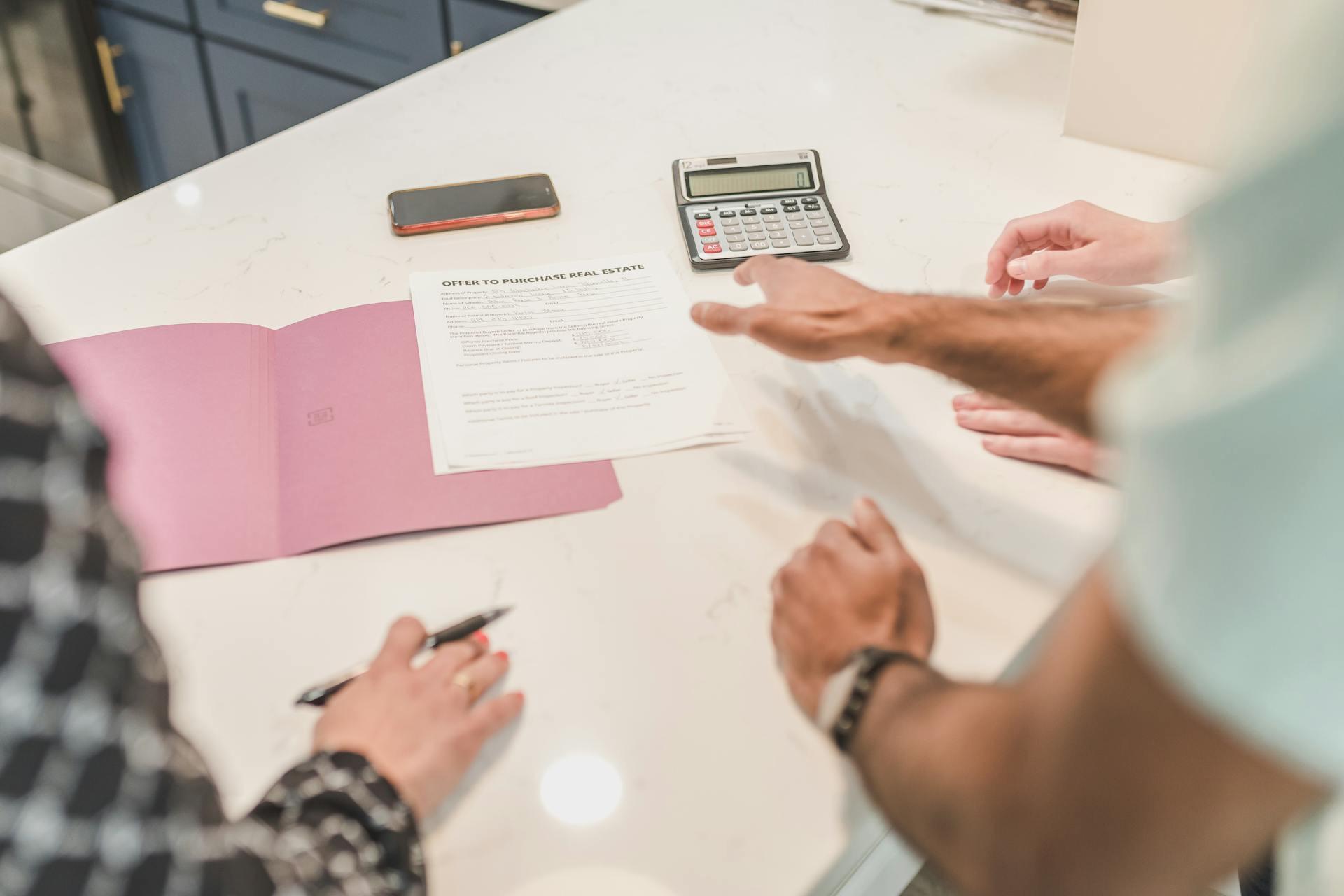
Earnest Money in Florida: When You Get It Back and When You Don't
In Florida, most buyers get their earnest money back if they cancel during a valid contingency window and give proper written notice. Once contingencies expire, that deposit is at risk. Here is exactly when each scenario applies under the FAR/BAR contract.
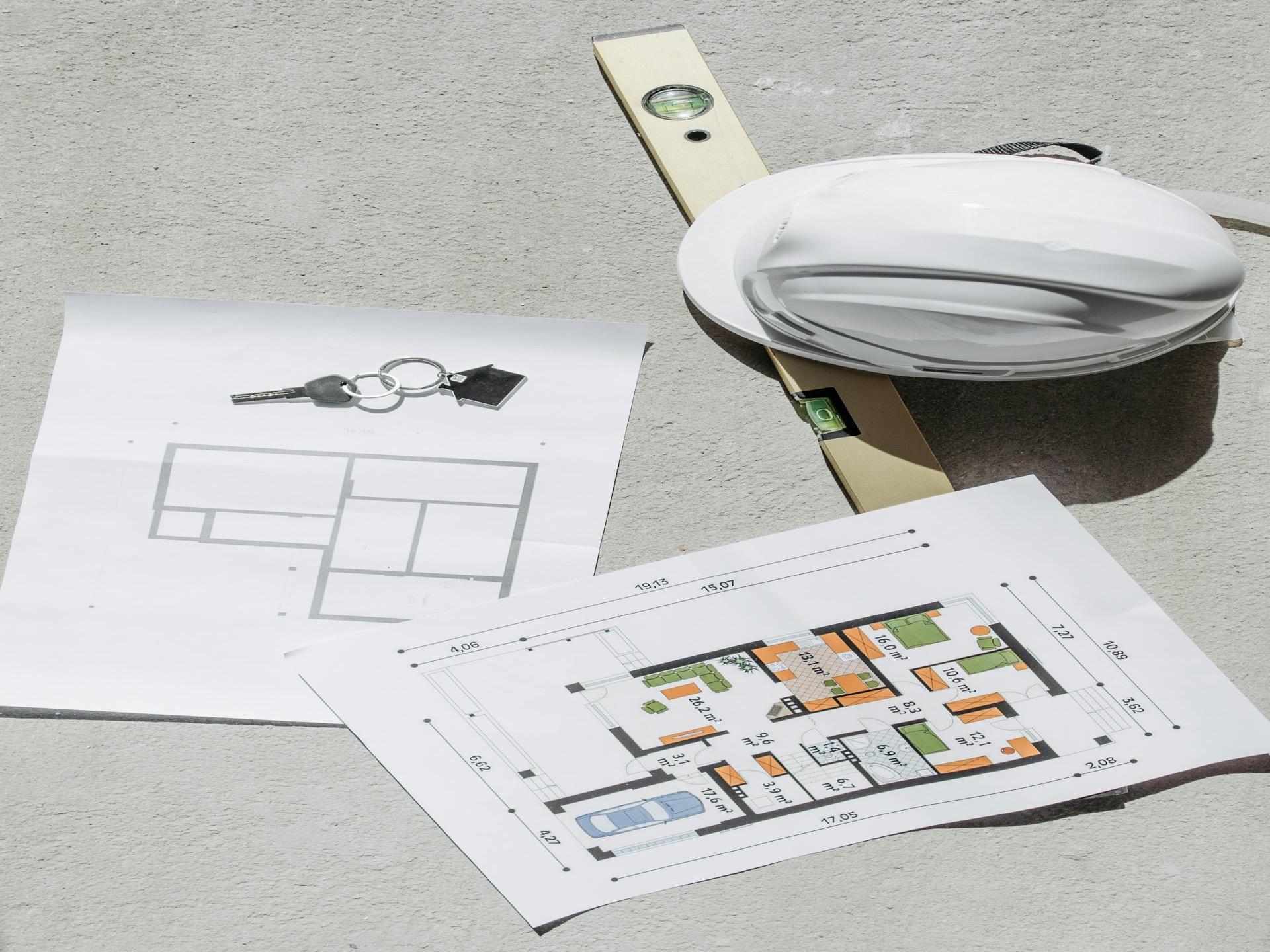
Semi-Custom vs. Production Builder in Florida: Which Tier Fits Your Budget?
Florida new construction breaks into three tiers: production builders ($180–260/sqft), semi-custom builders ($250–350/sqft), and fully custom ($400–700+/sqft). Each tier trades price against flexibility. Here is how to match the tier to your situation.
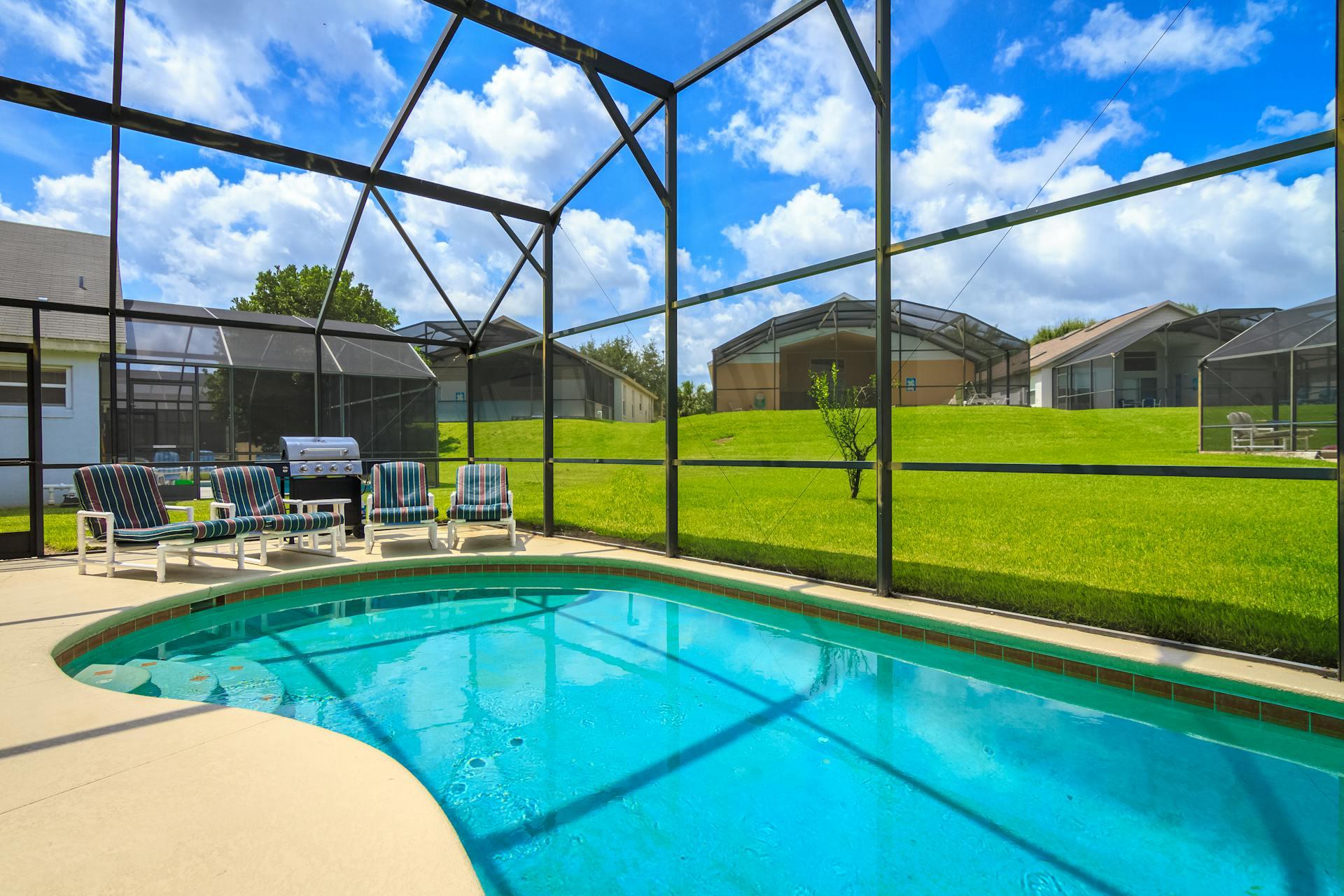
Buying a Vacation Rental in Florida: ROI Math, Top Markets, and How to Finance It
Florida vacation rentals can generate $45K–$80K+ gross annually, but the math only works if you pick the right market and structure the deal correctly. Here's how to evaluate Disney-area communities, Gulf-coast beach towns, and DSCR financing.
How Much House Can I Afford in Florida?
The 28/36 rule gives you a starting number, but Florida's insurance premiums ($3,000–$8,000/year), HOA dues ($150–$600/month), and state-specific taxes add costs that national mortgage calculators routinely miss. A Tampa household at $80K/year qualifies for less house than the same income in Ohio — here's the real math.
Seller Concessions and Rate Buydowns in Florida: What Buyers and Sellers Need to Know
Seller concessions that fund a rate buydown let a seller keep their price while a buyer gets real monthly savings. Here is how the math works, what the caps are by loan type, and how it plays out in a Florida FAR/BAR contract.

Closing Costs for First-Time Buyers in Florida: What to Expect
First-time buyers in Florida typically pay 2–5% of the purchase price in closing costs — on a $350,000 home that's $7,000–$17,500. The largest line items are lender fees, title insurance, prepaids, and doc stamps. Seller concessions and assistance programs can offset most of it.

Florida Waterfront Home Due Diligence Checklist
Before you make an offer on a Florida waterfront home, you need to verify riparian or littoral rights in the deed, confirm the FEMA flood zone and get an Elevation Certificate, work out the true cost of wind and flood insurance, and check the seawall age and dock permits — every one of these can kill a deal or blow up a budget.

How Escalation Clauses Work in Florida Real Estate Offers
An escalation clause automatically bumps your Florida offer above any competing bid, up to a set cap. Understanding the three components — increment, trigger, and cap — plus the seller's proof requirement is what separates buyers who use it well from those who overpay or expose themselves unnecessarily.
Buying Your First Home in Florida: A Week-by-Week Timeline
In Florida, buying your first home takes 90 to 120 days from pre-approval to keys. This is the week-by-week breakdown — including Florida-specific steps most national guides leave out: insurance shopping, homestead exemption filing, HOA estoppel, and doc stamps.