— Ben Laube Homes Blog
Central Florida Home Builders Compared: Lennar, Pulte, Meritage, Dream Finders, and More
If you are shopping for a new-construction home in Central Florida, you have already discovered the problem: there are dozens of active builders, each with its own floor-plan catalog, design-center rules, lot inventory, and warranty terms. The marketing materials all look polished. The model homes all smell great. Deciding which builder is right for you requires a framework that cuts through the noise.
This guide covers the major builders active in the Orlando metro, Horizon West, Lake Nona, Wesley Chapel, and surrounding submarkets as of 2026. For each builder I cover who they are for, their price band in Central Florida, signature strengths, and common buyer complaints. At the end there is a comparison table and FAQ.
“The right builder is the one whose floor plan, location, and price point intersect with what you actually need — not the one with the most name recognition or the flashiest incentive package.”
How to Evaluate a Builder: The Framework
Before going builder-by-builder, here is the lens I use when helping buyers navigate a new-construction purchase. National brand reputation matters less than people think. The spec sheet in front of you matters more.
National vs. Regional vs. Local
National production builders (Lennar, D.R. Horton, Pulte, KB Home, Meritage, Toll Brothers, Taylor Morrison) have the deepest lot inventory, the most predictable construction timelines, and the most negotiating leverage with subcontractors. They also have the most standardized processes — which means less flexibility for the individual buyer.
Regional builders (Dream Finders, Homes by WestBay, Mattamy, Ashton Woods, M/I Homes) typically offer more design-center flexibility, smaller community footprints, and sales teams with deeper local market knowledge. The tradeoff is that their incentive packages are smaller and their lot inventory is narrower.
Local/boutique builders (Rockwell Homes in Horizon West, for example) build fewer communities, often emphasize streetscape and architecture variety, and can move faster on custom requests. But they have less financial cushion if a supply chain disruption hits mid-build.
Production vs. Semi-Custom vs. Custom
Every builder covered in this post is a production builder — meaning they build from a set catalog of floor plans with pre-approved structural options and design-center finish selections. You are not getting a custom home. You are selecting from a menu. The menu can be extensive (Toll Brothers) or tightly controlled (D.R. Horton Express), but it is still a menu.
Semi-custom and custom builders operate in a different category entirely — longer timelines, higher per-square-foot costs, and typically no active adult or master-planned community context. If that is what you need, the builders below are the wrong search.
Price Band Positioning
I categorize Central Florida new construction into four price bands. Entry: $250K–$400K. Mid: $400K–$550K. Move-up: $550K–$750K. Luxury: $750K+. These ranges shift by submarket — a mid-range community in Osceola County might be entry in Orange County near Lake Nona. Context matters.
Build Quality Reputation Signals
JD Power, Lifestory Research, and BBB ratings are imperfect proxies. JD Power surveys buyers at a single point in time after move-in — it captures fit-and-finish perception, not long-term durability. BBB ratings reflect complaint resolution speed, not build quality. A builder with an A+ BBB rating may still have persistent water intrusion issues in a specific community.
More useful signals: the builder's warranty terms (coverage duration, third-party vs. in-house claims handling), their HBA membership and local award history, and — most importantly — talking to actual owners in communities they built three to five years ago. I will pull that thread in the builder-by-builder sections below.
Warranty Terms
Florida new construction law requires a one-year workmanship warranty, two-year systems warranty (mechanical, plumbing, electrical), and a ten-year structural warranty. Most major builders meet these minimums. Some (Beazer, Pulte, DR Horton) use third-party warranty administrators (2-10 Home Buyers Warranty). Others handle claims in-house. In-house does not mean faster — it means the builder controls the queue.
Builder Comparison Table
A quick-reference snapshot of the major active builders in Central Florida as of mid-2026. CF Communities = published community pages on this site; actual builder inventory is broader.
- Lennar — National | Entry–Mid ($280K–$550K) | 3 CF communities | Everything's Included® standard features package
- D.R. Horton — National | Entry ($240K–$420K) | 2 CF communities | Volume and lot availability; Home is Connected® smart home standard
- Pulte Homes — National | Mid–Move-up ($300K–$750K) | 4 CF communities | Life Tested® floor plan design; best-in-class buyer process
- Meritage Homes — National | Mid–Move-up ($360K–$650K) | Active in CF | Energy efficiency standard; spray foam insulation
- Dream Finders Homes — Regional/FL | Mid ($320K–$600K) | 6 CF communities | Florida-based; flexible structural options; fast timelines
- Toll Brothers — National | Move-up–Luxury ($600K–$1.3M+) | 7 CF communities | Design Studio; architect-drawn elevations; premium finish standard
- Taylor Morrison — National | Move-up ($400K–$750K) | 2 CF communities | Conservation and lakefront lot positioning; 3-car garages common
- K. Hovnanian Homes — National | Mid–Move-up ($350K–$650K) | 3 CF communities | Looks program interior palettes; Four Seasons 55+ brand
- Beazer Homes — National | Entry–Mid ($280K–$500K) | 1 CF community | ENERGY STAR® certified; Gatherings® 55+ brand; proposed acquisition by Dream Finders (May 2026)
- Del Webb (Pulte Group) — National 55+ | Mid–Move-up ($350K–$600K) | 2 CF communities | Nation's largest 55+ brand; resort-style amenity centers
- Homes by WestBay — Regional/Tampa Bay | Mid–Move-up ($400K–$700K) | 1 CF community | Tampa Bay's largest private builder; eight-milestone buyer walkthrough
- Perry Homes — Regional/FL | Mid ($350K–$580K) | 1 CF community | New to Florida (2024); Texas heritage; high homeowner satisfaction
Lennar
Lennar is the second-largest U.S. homebuilder by volume and one of the most active in Central Florida. In any given month, Lennar is running permits in Wesley Chapel, Horizon West, St. Cloud, and Clermont simultaneously. If you want a new home in the next six months and do not want to sit on a wait list, Lennar almost always has inventory — spec homes they have already started that you can move into quickly.
The core pitch is Everything's Included® — Lennar bundles appliances, smart home tech (Ring doorbell, smart thermostat, keypad entry), and a defined upgrade package into the base price instead of offering an a la carte design center. This removes the 'death by a thousand upgrades' problem that plagues most production builder purchases. The house you see at the model is roughly the house you get.
Who Lennar is for: buyers who prioritize a fast, predictable process over maximum personalization, and who want smart home features without paying separately for each one. Entry buyers (Express Homes brand, $240K–$350K) and mid-range buyers ($350K–$550K) are both in scope.
Common complaints: Lennar's construction pace means subcontractor quality can vary by phase. Buyers in early phases of large communities sometimes report more punchlist items than buyers in later phases once the trades have found their rhythm. Lennar's in-house mortgage (Lennar Mortgage) is competitive but worth comparing against outside lenders — they offer incentives to use their lender, which is not necessarily a problem, but you should run the numbers.
When to consider Lennar: you want a turnkey home with included features, you are buying in a high-demand submarket where lot availability is tight, or you need a quick close timeline. See Lennar communities on this site at /new-construction/lennar-homes.
D.R. Horton
D.R. Horton is the largest homebuilder in the United States by permit volume — and it shows. In the Orlando metro, D.R. Horton consistently leads or ties for first in monthly permit counts. Their footprint in Central Florida spans Apopka, Mount Dora, Daytona Beach corridor, Kissimmee, and Osceola County growth areas.
D.R. Horton sells under two primary brands in Florida: the flagship D.R. Horton label and Express Homes, which targets the entry segment (typically under $330K). The Express line is the most affordable new construction product you will find from a national builder in this market. In the $240K–$320K range, Express communities in Osceola and Polk counties are competing directly with resale inventory — and often winning on interest rate incentives.
Home is Connected® is D.R. Horton's standard smart home package. Every home ships with a Schlage smart lock, Qolsys IQ panel, Skybell doorbell camera, and Honeywell smart thermostat. At the entry price point this is genuine value-add that would cost $1,500–$2,500 to replicate out of pocket.
Who D.R. Horton is for: entry-level buyers who want a new home under $380K, buyers prioritizing lot availability and move-in speed, and investors targeting cash-flow properties in workforce-housing corridors.
Common complaints: finish quality is the most common gripe. D.R. Horton builds at scale, and at entry price points the trim work and fixture quality reflect that. Cabinet hardware, light fixtures, and interior doors in their base package are functional, not premium. Budget for upgrades at the design center or plan to replace them post-close.
When to consider D.R. Horton: price is the primary filter, you are buying in an outer ring submarket (Osceola, Polk, Lake, Volusia), or you need the fastest possible timeline. See D.R. Horton communities at /new-construction/d-r-horton.
Pulte Homes
Pulte is arguably the most buyer-process-obsessed national builder in this market. Their Life Tested® program means floor plans are tested against real homeowner behavior before launch — they track where people actually walk, where they drop keys, where mail accumulates, and redesign accordingly. It sounds like marketing, but the output is real: Pulte floor plans have fewer awkward traffic patterns and better storage integration than most competitors at the same price point.
In Central Florida, Pulte builds across a wide range — from the high $200s in outer-ring communities to the $700s in Horizon West and Lake Nona. The Life Tested® brand operates in the mid-to-move-up segment. Pulte Group also includes Centex (entry/value), Del Webb (55+ active adult), and DiVosta (Florida-specific move-up with the courtyard home concept). When you see a Pulte community, confirm which sub-brand it is — a Centex community and a Pulte community from the same parent company are different products.
Who Pulte is for: buyers who care about floor plan logic more than flashy standard features, move-up buyers in Horizon West and Lake Nona, and 55+ buyers (via Del Webb). Pulte's design center process is more interactive than Lennar's — you make more decisions, which can feel like more work, but it means the house feels more like yours.
Common complaints: design center costs. Pulte's base prices look reasonable until you walk through the design center, where structural options (adding a third garage bay, extending the lanai, adding a bonus room) can add $40K–$80K quickly. Budget realistically before falling in love with a base price.
When to consider Pulte: you want thoughtful floor plan design, you are buying move-up in Horizon West or Lake Nona, or you are a 55+ buyer evaluating Del Webb communities. See Pulte communities at /new-construction/pulte-homes.
Meritage Homes
Meritage has built an identity around energy efficiency that is more than a tagline. Their standard construction package includes spray foam insulation at the roofline (not fiberglass batts in the attic — spray foam), low-E windows, and advanced air sealing. In a Florida climate where a summer electric bill on a 2,400 sq ft home can exceed $350/month with a standard-built house, Meritage buyers consistently report lower utility costs.
In Central Florida, Meritage builds in the mid to move-up range — primarily $360K–$650K — with communities in Clermont, Winter Garden, St. Cloud, and Lake Nona. Their floor plans emphasize open-concept living and outdoor-to-indoor flow, which works well for the Florida lifestyle.
Who Meritage is for: buyers who care about long-term operating costs, energy-conscious buyers, and move-up buyers who want above-average build quality in the $400K–$600K range.
Common complaints: Meritage communities can feel cookie-cutter from the exterior. Their standard elevations are clean but not particularly distinctive. If curb appeal variety matters to you, Taylor Morrison or Toll Brothers offer more architectural range.
When to consider Meritage: your primary filter is long-term operating cost, you are buying in an energy-cost-sensitive climate zone (all of Central Florida qualifies), or you are making an apples-to-apples comparison against Lennar and want to stress-test the utility savings claim.
Dream Finders Homes
Dream Finders is a Jacksonville-based builder that has become one of the most active mid-market builders in Central Florida. With six published communities on this site and more in the pipeline, Dream Finders is everywhere in the $320K–$580K corridor — Horizon West, Kissimmee, Apopka, Daytona Beach area, and Lake Nona adjacent.
The company's Florida roots show up in their sales experience. Dream Finders sales reps tend to have better submarket knowledge than their counterparts at the national builders — they know the flood zone status of the lots, the school zone assignment changes expected post-build, and the CDD assessment schedule. That practical knowledge matters.
Structurally, Dream Finders offers more flexibility than most production builders at comparable price points. Extended lanais, bonus rooms, and room conversion options are typically available without requiring a formal architectural approval process. This flexibility comes with a tradeoff — the design center process can feel less curated than Pulte or Toll Brothers.
One significant corporate development as of this writing (May 2026): Dream Finders proposed an all-cash acquisition of Beazer Homes for $25.75 per share — a 40% premium. If that deal closes, Dream Finders would become the sixth-largest homebuilder in the U.S. and absorb Beazer's Central Florida footprint. Worth watching if you are choosing between the two brands.
Who Dream Finders is for: mid-range buyers who want more personalization than Lennar or D.R. Horton offer, buyers who value a Florida-specific sales experience, and buyers in the Horizon West and Kissimmee growth corridors.
When to consider Dream Finders: $350K–$580K budget, Horizon West or Kissimmee submarket, and you want structural flexibility without paying Toll Brothers prices for it. See Dream Finders communities at /new-construction/dream-finders-homes.
Toll Brothers
Toll Brothers is the only major national builder that operates squarely in the luxury segment. In Central Florida, their communities start in the $600s and run to $1.3M+, with an average transaction somewhere around $850K depending on the community. This is not entry-level new construction — Toll Brothers is competing against custom builders and existing luxury resale.
What you get for that premium: architect-designed exterior elevations (not the same box in three facades), a Design Studio that gives you significantly more finish options than any mid-market builder, and a more attentive sales and construction process. Toll Brothers site managers typically carry fewer concurrent homes than their counterparts at D.R. Horton or Lennar.
Toll Brothers has seven published communities on this site — the largest single-builder inventory we cover. Their Central Florida footprint includes Horizon West, Lake Nona, Windermere area, and Seminole County growth zones. The Alora by Toll Brothers community in Horizon West is one of the more interesting recent additions — luxury product at Lake Nona-adjacent price points in a high-growth corridor.
Who Toll Brothers is for: move-up and luxury buyers with $600K+ budgets, buyers who prioritize design customization and exterior architecture, and buyers who want a new home that does not look like every other house on the street.
Common complaints: Toll Brothers' design center is a place where budgets expand faster than expected. The base price looks attainable; the finished home you actually want typically costs $100K–$200K more. Go in with a ceiling number and stick to it.
When to consider Toll Brothers: $650K+ budget, luxury finishes are non-negotiable, and you want new construction that competes aesthetically with custom product. See Toll Brothers communities at /new-construction/toll-brothers.
Taylor Morrison
Taylor Morrison's Florida strategy is focused on lot positioning. They consistently acquire conservation-view, lakefront, and large-lot sites — parcels where the view is the primary value proposition. In Central Florida, their communities regularly feature 75-foot lots with conservation or water-view rear exposures, three-car garages as standard on move-up plans, and a 'Life by Design' sales philosophy that emphasizes outdoor living.
Price range in Central Florida is $400K–$750K, with most activity in the $450K–$650K move-up segment. Taylor Morrison builds more deliberately than the volume leaders — fewer communities, smaller lot counts per community, and a construction pace that prioritizes build quality over speed.
Who Taylor Morrison is for: move-up buyers who want larger lots, conservation or water views, and a more refined purchase experience than the national volume builders. If outdoor living and lot quality are your top filters, Taylor Morrison earns a serious look.
Common complaints: limited community availability — Taylor Morrison does not have the lot inventory breadth of Lennar or Pulte. If you need a specific location in a specific school zone, Taylor Morrison may not have a community there. Also, their price premium over Meritage or Dream Finders at comparable square footage is real and reflects primarily the lot quality, not just the home.
When to consider Taylor Morrison: lot quality and conservation views are your first filter, $450K–$650K budget, and you want three-car garage standard. See Taylor Morrison communities at /new-construction/taylor-morrison.
K. Hovnanian Homes
K. Hovnanian is a large national builder that does not get as much buyer attention in Central Florida as it deserves. Their primary differentiator is the Looks program — instead of a traditional design center with hundreds of individual selections, Hovnanian has pre-packaged four complete interior design palettes (Elements, Loft, Farmhouse, and Classic) that you choose between. Each palette is a coordinated set of flooring, cabinets, countertops, and fixtures designed by their in-house team.
For buyers who dread the design center process — and many do — this is a genuine time-saver and a way to guarantee a cohesive result. For buyers who want granular control over every finish, the Looks program can feel limiting.
In Central Florida, K. Hovnanian builds in the mid to move-up segment ($350K–$650K) with three active published communities. They also operate the Four Seasons brand for 55+ buyers, competing directly with Del Webb.
Who K. Hovnanian is for: buyers who want a simplified design selection process, move-up buyers who trust a curated palette over building their own, and 55+ buyers considering Four Seasons as an alternative to Del Webb. See K. Hovnanian communities at /new-construction/k-hovnanian.
Beazer Homes
Beazer is a mid-size national builder with a strong energy efficiency story — they are a 10-time ENERGY STAR® Partner of the Year. In Central Florida their presence is primarily through the Gatherings® brand, a line of 55+ active-adult condo communities designed around low-maintenance living. For traditional single-family new construction in Central Florida, Beazer has a smaller footprint than Lennar or D.R. Horton.
The major corporate news (as of May 2026): Dream Finders Homes proposed a $704M all-cash acquisition of Beazer at $25.75 per share. If this deal closes, Beazer's Central Florida communities would fold into Dream Finders' portfolio. Buyers currently in a Beazer community or considering one should monitor this closely — the acquisition could affect warranty administration, design center process, and community management.
Who Beazer is for: 55+ buyers considering the Gatherings® condo-style communities, and energy-efficiency-focused buyers in markets where Beazer single-family product is available. See Beazer communities at /new-construction/beazer-homes.
Del Webb (55+ Active Adult)
Del Webb is Pulte Group's 55+ brand and the most recognized name in active-adult new construction in the U.S. The formula is consistent: large resort-style amenity centers, organized social programming (clubs, classes, events run by a full-time lifestyle director), low-maintenance landscaping, and age-restricted community rules that restrict permanent occupancy to residents 55 and older.
In Central Florida, Del Webb has communities in Minneola (Del Webb Minneola, Clermont area) and other Pulte-operated 55+ zones. These are not small communities — Del Webb master plans typically run 1,000–3,000+ homes and build out over five to ten years. You are buying a lifestyle infrastructure, not just a house.
Price range is mid to move-up ($350K–$600K) with CDD assessments that can add $1,500–$3,000/year on top of standard HOA fees. Do the math on total monthly carrying cost — principal, interest, HOA, CDD, taxes, insurance — before falling in love with the model home.
Who Del Webb is for: buyers 55+ who want organized social programming, low-maintenance living, and an age-restricted community. Del Webb out-competes every other 55+ builder on amenity investment per community. See Del Webb communities at /new-construction/del-webb.
Homes by WestBay
Homes by WestBay is Tampa Bay's largest private homebuilder — operating since 1993 with a track record across Hillsborough, Pasco, and Manatee counties. They are less visible in the broader Central Florida market (their presence is primarily in the Tampa Bay corridor), but for buyers focused on Wesley Chapel, Riverview, or Lutz, WestBay is worth serious evaluation.
The builder's Created For You! process is their primary differentiator — an eight-milestone construction walkthrough that gives the buyer visibility into each phase of the build. Every home comes with a 2-10 Home Buyers Warranty and Energy Star 3.1 certification. WestBay builds in the mid to move-up range ($400K–$700K) and their floor plans tend to emphasize Florida outdoor living with larger covered lanai footprints than comparable national builder plans.
Who WestBay is for: buyers specifically in the Tampa Bay northward corridor (Wesley Chapel, Lutz, Land O' Lakes, Wiregrass Ranch area), mid to move-up budget, and buyers who want builder transparency and a documented construction process. See WestBay communities at /new-construction/homes-by-westbay.
Perry Homes
Perry Homes entered the Florida market in 2024, making them one of the newest major-builder arrivals in this market. Founded in 1967 and based in Texas, Perry has delivered more than 70,000 homes across nine markets and carries a 95% homeowner satisfaction rating. Their Florida expansion targets Tampa, Orlando, Southwest Florida, and Jacksonville.
In Central Florida, Perry is building in the $350K–$580K mid-range segment. Their Texas heritage shows up in floor plan design — heavier emphasis on covered outdoor living, larger secondary bedrooms, and a generally more generously-proportioned room layout than some Florida-native plans at the same price point.
The risk with a new-market entrant: Perry's subcontractor network in Florida is still being established, and their warranty service team is not yet at the depth of a builder that has been in this market for 20+ years. I would give them two more years of Florida build history before calling them definitively low-risk. That said, the early community performance is promising.
Who Perry Homes is for: mid-range buyers in Tampa Bay or Orlando who want a builder with strong national reputation and generous floor plan proportions, and who are comfortable being an early adopter in Florida. See Perry communities at /new-construction/perry-homes.
Rockwell Homes
Rockwell Homes is a regional builder backed by Traylor Bros., with a focused presence in the Horizon West market in Orange County. Their communities are small by national-builder standards — under 200 homes — with an emphasis on streetscape quality, craftsman architecture, and front-porch neighborhood design.
In Horizon West, where large master-planned communities with hundreds of near-identical homes are the norm, Rockwell's boutique scale is genuinely different. The lots tend to be slightly larger, the architectural variety from lot to lot is greater, and the construction management attention per home is higher than at communities where a builder is running 300 active homes simultaneously.
Price range is mid to move-up ($380K–$600K). Lot inventory is limited — when Rockwell sells out of a community, they are sold out. No quick resupply.
Who Rockwell Homes is for: Horizon West buyers who want architectural variety and a smaller-scale community feel, and who do not need the price floor or volume of a national builder. See Rockwell communities at /new-construction/rockwell-homes.
How to Use This Comparison
The right builder is the one whose floor plan, location, and price point intersection matches what you need — not the one with the most name recognition or the highest number of incentive dollars on offer this quarter.
Start with location and school zone. If you are locked into a specific school attendance zone or a specific submarket (Horizon West, Lake Nona, Wesley Chapel), filter by who is building there first. Most builders do not operate everywhere — your list will narrow quickly.
Then filter by price band. Be honest about your ceiling, including design center additions. A builder with a $380K base price and a design center that routinely takes buyers to $480K is a $480K builder for you, not a $380K one.
Then compare floor plans. Bring your lifestyle requirements — number of bedrooms, home office, three-car garage, multigenerational suite, lanai size — and see which builder's standard catalog hits your must-have list without requiring expensive structural options to get there.
Finally, talk to a buyer's agent before signing a new-construction contract. The builder's sales rep works for the builder, not for you. A buyer's agent who specializes in new construction can negotiate closing cost concessions, identify lot premium anomalies, flag CDD assessment schedules, and help you avoid the most common new-construction purchase mistakes. My fee is paid by the builder on most transactions — there is no cost to you for that representation.
Ready to narrow down your builder list? Start at /new-construction or reach out directly at /contact?topic=new-construction to discuss your specific situation.
Frequently Asked Questions
Do I need a buyer's agent to buy a new-construction home in Florida?
No, but it costs you nothing and the representation is meaningful. Florida builders pay the buyer's agent commission; you do not. The builder's sales rep is not your advocate — they are the builder's employee. Having an agent who specializes in new construction review the contract, negotiate incentives, and flag warranty and CDD issues is worth doing on a $400K+ purchase.
What is the best time of year to buy a new-construction home in Central Florida?
Builders tend to offer stronger incentives in Q3 (July–September) when buyer traffic slows during hurricane season, and in Q4 to hit year-end sales targets. January through March is peak traffic and the weakest time to negotiate. That said, lot availability and community phase timing matter more than the calendar — a desirable lot or floor plan in the right school zone does not wait for Q3.
Is Lennar or Pulte better in Central Florida?
They serve slightly different buyers. Lennar is better if you want an included features package with minimal decision fatigue and fast timeline. Pulte is better if you prioritize floor plan logic, want more design center customization, and are buying in the move-up segment ($450K+). Pulte's Life Tested® floor plans have fewer layout compromises. Lennar's Everything's Included® package has better standard feature value. Neither is universally better — it depends on your priority.
What is a CDD and which builders' communities have them?
A Community Development District (CDD) is a special taxing district that financed the community's infrastructure — roads, utilities, amenity center, storm water systems. The debt is repaid by homeowners through an annual CDD assessment that appears on your property tax bill. Many master-planned communities in Central Florida have CDDs regardless of builder: Horizon West, Lake Nona, Wesley Chapel, and Reunion all operate CDDs. Ask for the CDD annual amount and whether the debt is in the bond payoff phase or mature phase (mature = no new assessment debt). A $2,500/year CDD adds $208/month to your carrying cost — model that into your budget.
Can I negotiate price on a new-construction home?
Builders rarely move on base price for a to-be-built home in a high-demand community. What they will negotiate: closing cost contributions (often $10K–$20K), design center credits, rate buydowns using their affiliated lender, lot premiums, and move-in timelines. In slow sales-pace phases or end-of-quarter situations, some builders will also throw in upgrades or structural options at no cost. Never pay full list for lot premiums — these are the most negotiable line item on a new-construction contract.
What happened with Dream Finders' bid to acquire Beazer?
As of this writing (May 2026), Dream Finders Homes proposed an all-cash acquisition of Beazer Homes for $25.75 per share — a 40% premium to Beazer's closing price. The deal has not yet closed or been accepted. If it does close, Beazer's brand, communities, and warranty obligations would fold into Dream Finders. Current Beazer buyers should confirm their warranty terms are contractually documented before close — acquisition or not, those obligations transfer by law in Florida.
Nearby
Neighborhoods featured in this post
 Featured
Lutz
Lutz
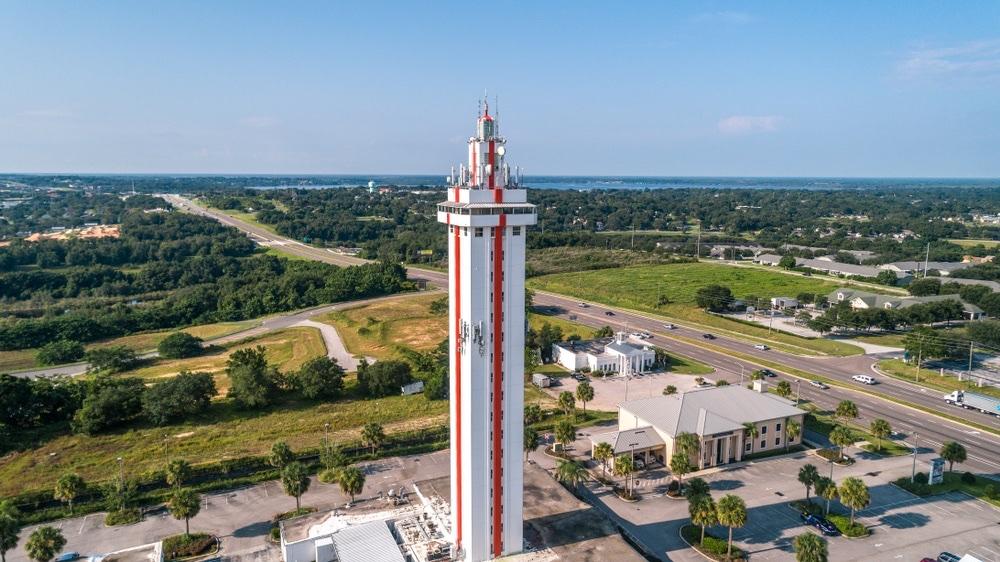
Lutz is north Hillsborough's lake country — an unincorporated community of dozens of interconnected lakes, rolling terrain, and golf commun…
 Featured
Clermont
Clermont
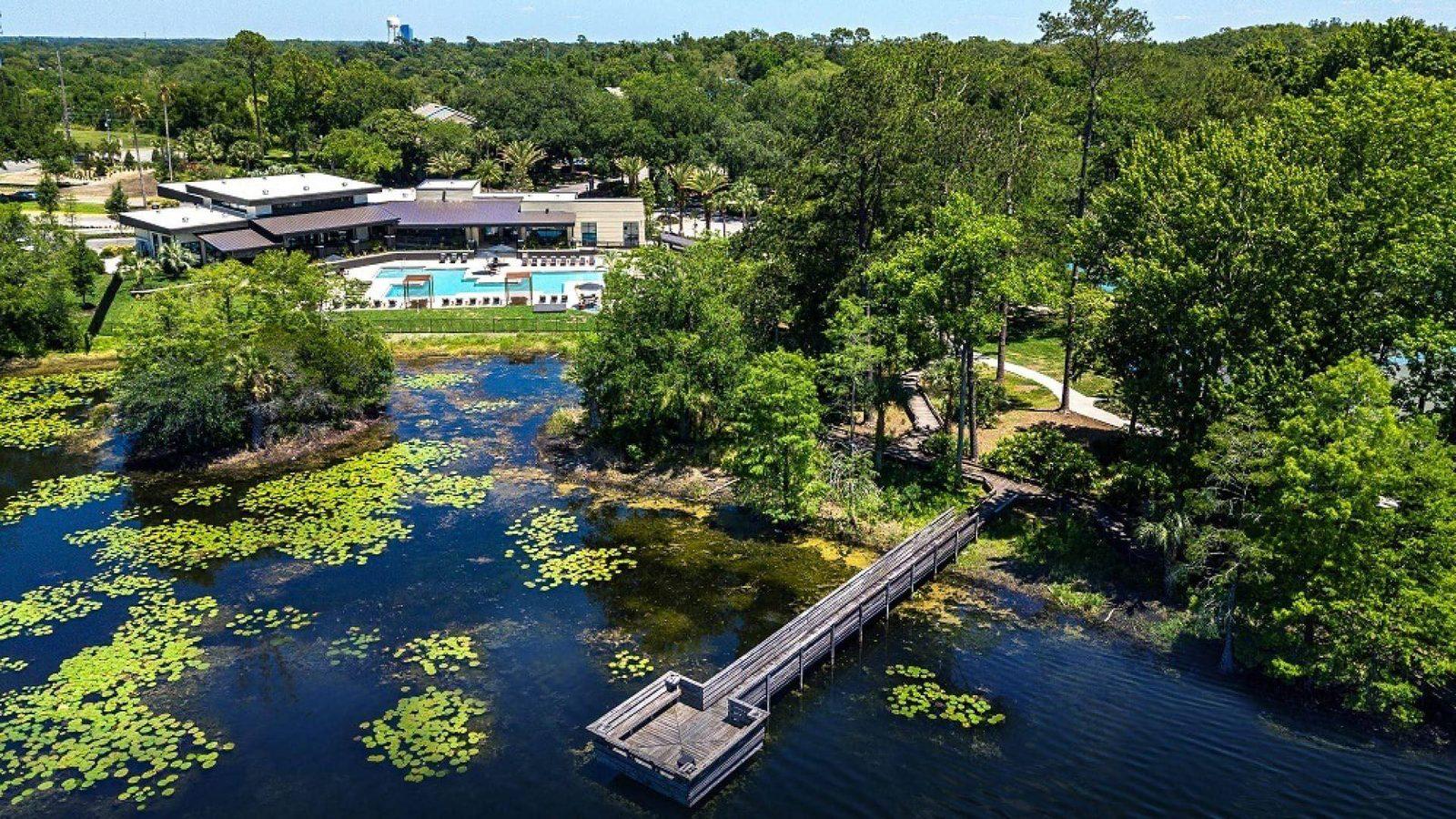
Clermont is Central Florida's hill-and-lake city — 11 interconnected lakes, rolling terrain atypical of the Florida peninsula, and the 1956…
 Featured
Apopka
Apopka
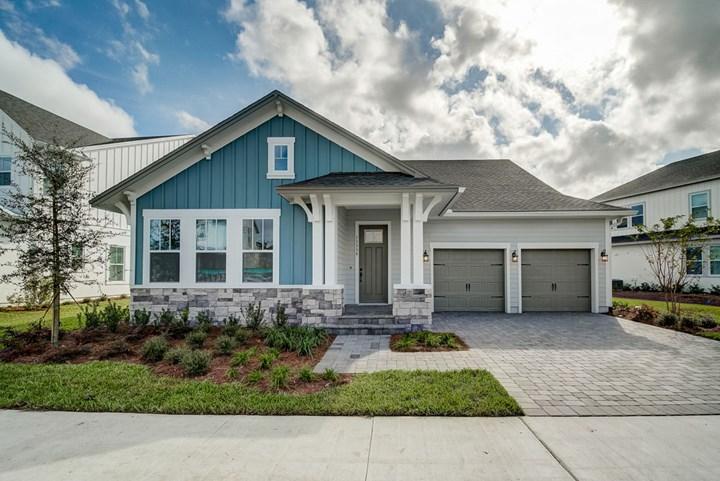
Apopka sits at the northwest edge of Orange County — 20 miles from downtown Orlando via the SR 429 Western Beltway, and 10 minutes from Wek…
 Featured
Lake Nona
Orlando
Southeast Orlando's 17-square-mile master-planned community built around a 650-acre Medical City campus — UCF Health Sciences, Nemours Chil…
Questions about your own market?
Reach out for a tailored take on your neighborhood, timeline, or price band.