— Ben Laube Homes Blog
Assignment of Benefits in Florida: What Homeowners Need to Know After the Ban
If you owned a Florida home between 2015 and 2022, you almost certainly heard the pitch: sign this form, we handle the insurance claim, you get a new roof at no out-of-pocket cost. That pitch was an Assignment of Benefits agreement — AOB — and it became ground zero for one of the most expensive fraud cycles in Florida insurance history.
In December 2022, Governor DeSantis signed SB-2A into law. For any residential property insurance policy issued or renewed on or after January 1, 2023, AOBs are banned outright. Any post-loss benefit assignment attempt under those newer policies is void and unenforceable.
What an AOB Agreement Actually Did
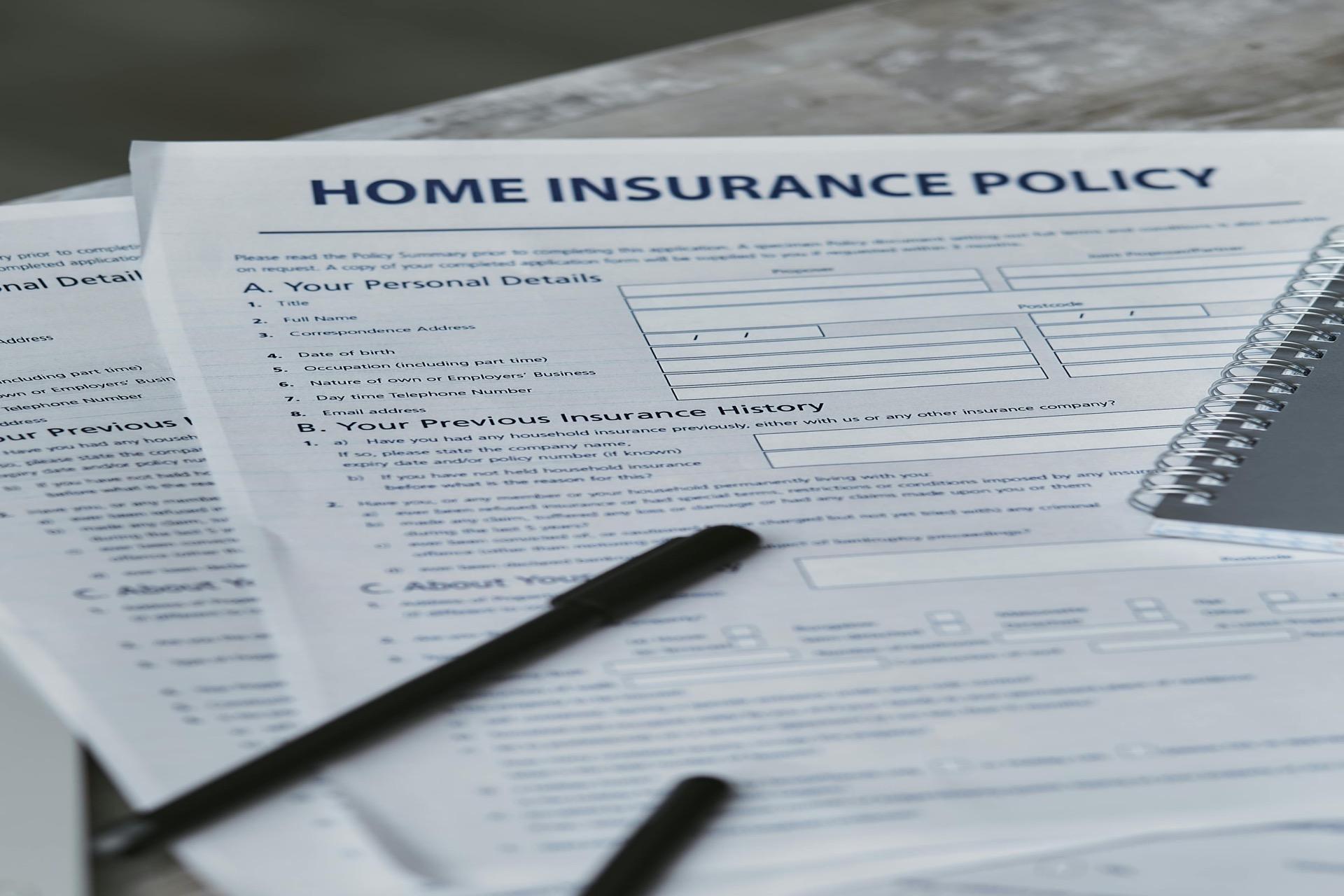
An AOB is a legal document that transfers your right to collect insurance benefits to a third party — typically a contractor. Once you signed, the contractor stepped into your shoes for the claim. They negotiated directly with your insurer, received the payment, and you were largely sidelined.
The mechanics sound convenient. In practice, it handed enormous leverage to contractors and their attorneys. A contractor could bill whatever they wanted, and if the insurer disputed even a line item, the contractor could sue using Florida's one-way attorney fee statute. The insurer bore all litigation risk. That asymmetry attracted opportunists fast.
Water-damage and roof claims were the highest-volume AOB targets. A contractor doing a water-extraction job after a burst pipe would have the homeowner sign an AOB before a single wet board was touched. Same playbook on roofs after any storm — teams of sales reps walking neighborhoods with AOB forms already printed.
How AOB Fraud Inflated Florida Insurance Rates
Florida accounted for roughly 8 percent of all homeowners insurance claims in the U.S. but generated nearly 80 percent of the country's homeowners insurance lawsuits. That ratio was driven almost entirely by AOB abuse.
The financial signal was blunt. One homeowner's annual premium was $769 in 2019. By 2022, the same policy cost over $1,900 — a nearly 3x increase in three years. That pattern repeated across Tampa Bay, St. Pete, and Central Florida as insurers tried to price the litigation risk they could not escape.
At least 11 Florida property insurers became insolvent between 2020 and 2022. Citizens Property Insurance, the state backstop, swelled to over 1.4 million policies by early 2023 as private carriers stopped writing new business or left the state entirely. The market was not functioning.
“Florida had 8 percent of U.S. homeowners insurance claims but nearly 80 percent of all U.S. homeowners insurance lawsuits — most of it AOB-driven litigation.”
The fraud structure was not subtle. Unscrupulous contractors would identify minor storm damage or manufacture it, have homeowners sign AOBs, then submit inflated repair bills to insurers. When the insurer disputed the amount, the contractor's attorney filed suit. Under the old one-way fee statute, if the contractor won even a dollar more than the insurer's settlement offer, the insurer paid all attorney fees. Thousands of cases ran this playbook simultaneously.
What SB-2A Changed — and What It Did Not
SB-2A signed December 16, 2022 made three changes that restructured Florida property insurance overnight:
- AOB ban: No assignment of post-loss property insurance benefits is permitted for policies issued or renewed on or after January 1, 2023. Any such agreement is void, invalid, and unenforceable.
- One-way attorney fees eliminated: The statute that let contractors and vendors recover all attorney fees if they collected even a dollar more than the insurer offered was repealed. Both sides now bear their own fees under most circumstances.
- Shorter claim deadlines: Insurers must begin investigation within 7 days (down from 14) and resolve claims within 60 days (down from 90). That clock now runs on both sides.
What SB-2A did NOT change: AOBs signed before January 1, 2023 on policies in place at that time remain grandfathered. If you signed an AOB in 2021 on a policy that was still active through 2023, that agreement may still be enforceable for the original claim it covered. The reform is forward-looking, not retroactive.
Also unchanged: your right to hire a public adjuster. Public adjusters work for you, not the contractor, and are paid a percentage of your claim settlement. They are a legitimate tool if you believe an adjuster low-balled your damage assessment. They cannot, however, take an AOB from you — that is forbidden.
How to Handle a Roof or Water-Damage Claim Today
Without AOB, you are the claimant from start to finish. That is actually more straightforward than it sounds. Here is the direct path:
- Document everything before touching anything. Photograph and video all visible damage from the ground and inside the home. Date-stamp your files. Florida Statute 627.70132 gives you one year from the date of loss to file a claim — but the sooner you start, the stronger your position.
- Call your insurer within 48 hours of discovering damage. Most policies require prompt notice. Give them the facts; do not speculate on cause or extent. They will assign an adjuster and schedule an inspection.
- Get your own estimate. Have a licensed roofing contractor or water-mitigation company assess the damage before the insurance adjuster arrives. Bring that estimate to the inspection. The adjuster's job is to price the claim; your contractor's estimate is your check on their math.
- Be present at the adjuster inspection. Walk them through every item. Take your own notes and photos during the walkthrough. If you disagree with the adjuster's findings, you can request a re-inspection or hire a public adjuster to dispute the scope.
- Review the settlement offer in writing. If the offer covers the damage and matches your contractor's estimate, you can proceed. If the offer is short, file a Supplemental Claim or invoke your policy's appraisal clause.
The key shift: your contractor can advise, document, and guide. They cannot negotiate or litigate on your behalf without a separate legal engagement. If your claim is denied or significantly underpaid, your options are a public adjuster (fee-based), a bad-faith insurance attorney, or the Florida Department of Financial Services complaint process.
Signs the AOB Era Is Actually Over
The market data from 2024 and 2025 suggests the reforms are working. Average homeowner rate increases dropped from over 21 percent in 2023 to roughly 0.2 percent projected for 2025 — the smallest year-over-year increase since 2019. Eleven new carriers entered the Florida market over the past two years. Citizens Property Insurance shrank from 1.4 million policies in early 2023 to around 851,000 by March 2025, as private carriers started writing business again.
In Miami-Dade, nearly 75 percent of Citizens policyholders saw rate decreases averaging 5.6 percent. Tampa Bay and Central Florida saw similar stabilization, though coastal and flood-exposed properties still carry elevated premiums tied to underlying risk rather than litigation.
What this means practically: if you have shopped homeowners insurance in the last 12 months, you have more carrier options than you did in 2022. That competition is real. Get quotes from at least three carriers before renewal. And if your policy is currently with Citizens, look into takeout offers — they sometimes carry lower premiums than Citizens' own schedule.
Red Flags to Watch Even Now
The AOB is dead, but contractor fraud is not. Some contractors still use aggressive tactics that stop just short of the old AOB model:
- Direction to pay forms: a contractor asking you to redirect your insurance payment directly to them before the work is assessed. This is not an AOB, but it transfers payment control early — read any form carefully before signing.
- Work authorization combined with payment assignment: a single document that contains both a work order and a clause assigning your payment. Have an attorney review anything that mentions assigning payments or rights.
- Pressure to sign before the adjuster visits: any contractor who demands a commitment before you have your insurer's assessment is a red flag, regardless of what they call the form.
- Storm chasers offering zero out-of-pocket deals: the zero-out-of-pocket promise often means the contractor is waiving your deductible — which is illegal in Florida under FS 817.234. Report it to the Department of Financial Services.
The best protection is the same as it always was: read everything before you sign, involve your insurer from the start, and do not hand over claim control to anyone who knocks on your door after a storm.
Questions about your own market?
Reach out for a tailored take on your neighborhood, timeline, or price band.