— Ben Laube Homes Blog
How to Sell a Tenant-Occupied Rental Property in Florida
Selling a rental property in Florida is a different transaction than selling an owner-occupied home. The lease does not disappear when you list the property. The tenant does not go away when you get an offer. And the security deposit does not belong to you at closing — it belongs to whoever takes over as landlord.
I work with landlords selling tenant-occupied properties in the Tampa Bay area and Central Florida regularly. This guide covers the practical execution: what to pull together before you list, how to communicate with the tenant, how to structure showings, what investor buyers actually want to see, and what happens at the closing table.
One note before we go further: I am a real estate agent, not an attorney. Nothing here is legal advice. Florida landlord-tenant law (Chapter 83, Florida Statutes) governs notice periods, lease survival at sale, and deposit handling. For anything involving notices, lease disputes, or eviction — talk to a Florida real estate attorney. What I can help with is the transaction strategy.
Step 1: Read the Entire Lease Before You Do Anything Else
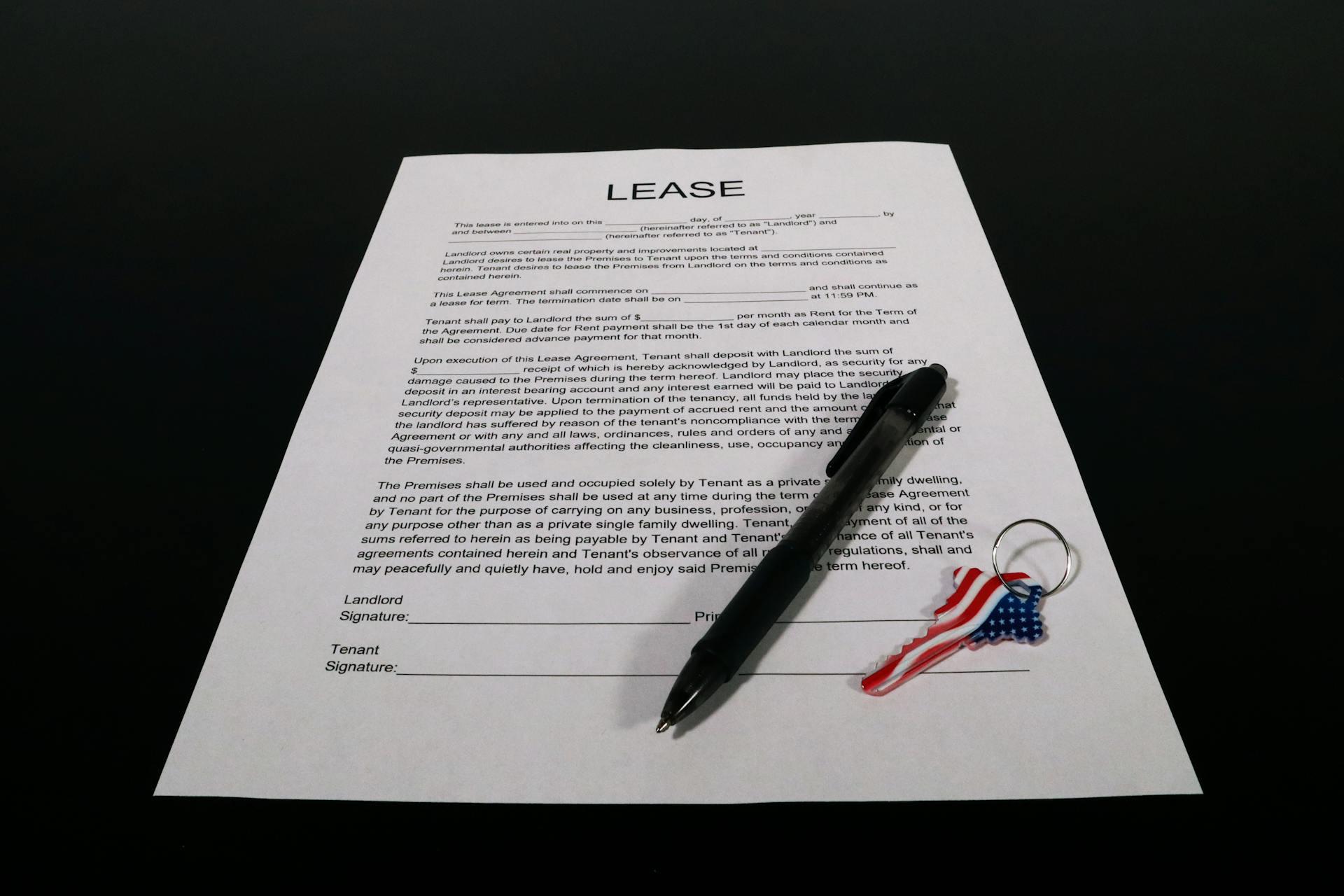
Before you call an agent, before you talk to the tenant, before you price the property — read the lease from the first page to the last. This is not optional.
The lease tells you the tenancy type. A fixed-term lease (a specific end date, say December 31, 2026) binds both you and the tenant to that agreement. Florida law is clear on this: the sale of a property does not automatically terminate a fixed-term lease. The new owner steps into your shoes as landlord and is bound by the lease terms until the lease expires. I wrote a companion post on this specifically — see my post on whether the lease survives the sale in Florida.
A month-to-month tenancy gives you more flexibility. Under Florida Statute 83.57, a landlord can terminate a month-to-month tenancy with 30 days written notice (15 days if it is a week-to-week tenancy). But the notice must come before you are under contract, not after — give yourself time.
What else to find in the lease before you list:
- End date and any automatic renewal clause — some leases auto-renew to a new fixed term if neither party gives notice 60 or 90 days before expiration
- Right of first refusal — some leases grant the tenant the right to purchase before you accept another offer; if yours does, you need to honor this procedurally
- Entry and showing rights — many standard leases require 12 or 24 hours advance written notice before any entry. Florida Statute 83.53 requires reasonable notice (interpreted as 12 hours minimum) — but your lease may require more
- Pet and occupancy provisions — these affect the condition of the property and what you can represent in disclosures
- Rent amount and what is included (utilities, parking, storage) — this is the foundation of your investor package
Step 2: Pull Your Rent Roll and Build the Investor Package
Most buyers for a tenant-occupied property are investors. They are not buying a home — they are buying an income stream. The way you present that income stream determines the offers you get.
The core of your investor package is the rent roll: a simple document showing unit number (or address), tenant name, lease start date, lease end date, monthly rent, and any scheduled rent increases. If you own a multi-unit, this is table stakes. Even for a single-family rental, put it in writing.
Beyond the rent roll, investors want to see:
- Current monthly rent vs. market rent — if you are charging below market today, that spread matters to the buyer. It shows upside — but if the lease has two years left, they cannot capture it immediately
- Net Operating Income (NOI) — annual rent minus operating expenses (property management fees, maintenance, insurance, property taxes, HOA if applicable). Do not include debt service in NOI; investors calculate that themselves based on their financing
- Cap rate — NOI divided by your list price. A buyer offering $350,000 on a property with $21,000 NOI is buying at a 6% cap rate. Know this number going in so you can speak to it
- Lease copies — investors will want to read the actual lease, not a summary
- Maintenance history and capital improvements — when was the HVAC last replaced? Roof age? Water heater? These affect the investor year-one cost assumptions
- Tenant payment history — if the tenant pays on time, say so. If there have been late payments, disclose it honestly. Investors underwrite credit risk.
A well-prepared investor package shortens the due diligence period and reduces the back-and-forth that drags out closings.
Step 3: Talk to the Tenant Early
Tenants find out about a sale at some point — usually from the Zillow listing or a neighbor. If they find out from you first, directly and professionally, the rest of the process is easier. If they find out from an online listing, you are starting the showing period on a sour note.
What to communicate to the tenant in writing:
- You are planning to sell the property
- Their lease will be honored in full (if it is a fixed-term lease) or the notice period required by law (if month-to-month)
- Showings will require advance notice as specified in the lease
- Their security deposit and last month rent (if held) will be transferred to the new owner at closing and the tenant will receive written notice of that transfer
- Their day-to-day living situation will not change before the sale closes
Cooperation pays. A tenant who is kept informed and treated with respect typically keeps the unit cleaner, is more flexible about showing times, and does not make viewings difficult. A tenant who feels ambushed does the opposite.
Do not promise the tenant anything beyond what the lease and Florida law require. Do not negotiate lease buyouts or early termination agreements without running those terms past a real estate attorney first — there are right and wrong ways to document these, and a poorly documented early termination can create liability.
Step 4: Set Up Showings That Work
Florida Statute 83.53 requires landlords to give reasonable notice before entering — 12 hours is the legal floor, but your lease may require more. For showings, I recommend a consistent process:
- Send written notice (text or email works if the lease allows electronic notice) at least 24 hours before each showing
- Schedule showings in blocks where possible — three showings on a Saturday afternoon is less disruptive than three separate days
- Acknowledge the tenant cooperation in writing after each showing block — small gestures matter
- If the tenant works from home, avoid mid-morning weekday slots unless they agree
Occupied properties rarely show as well as vacant or staged homes. Adjust your pricing expectations accordingly, or consider whether a brief rent credit in exchange for the tenant active cooperation is worth negotiating (again, get the terms in writing).
If the tenant is actively obstructing showings — not answering the door, canceling last minute, letting the unit become a liability — talk to a Florida landlord-tenant attorney before you take any action. I am not going to walk you through notice or eviction strategy here. That is attorney territory.
Step 5: Understand the Retail Buyer Problem
Retail buyers — owner-occupants who plan to live in the home — face a real constraint when the property has a fixed-term lease. They generally cannot move in until the lease expires. If the lease runs 18 more months, a retail buyer has to either wait or walk.
This limits your buyer pool unless you plan around it. Options:
- List during the lease, market exclusively to investors, and price to the cap rate
- Negotiate an early lease termination with the tenant before listing (with attorney-reviewed documentation), then list vacant for both investor and retail buyers
- Wait for the lease to expire naturally, then list vacant. This maximizes your retail buyer pool but delays your timeline.
- Sell as-is with tenant in place to a cash investor who closes quickly and manages the tenancy themselves after the fact
Each path has trade-offs on timing, price, and complexity. The right one depends on your lease end date, your timeline, and the current investor demand in your submarket. In Tampa Bay and Central Florida, investor demand for single-family rentals priced under $500,000 has been active — well-priced, well-documented rentals do not sit long.
Step 6: Security Deposit Transfer and Closing Prorations
This is the mechanics that most sellers get wrong or ignore until the last minute.
Under Florida Statute 83.49, the security deposit you are holding does not become yours at closing. It belongs to the tenant, held in trust. At closing, the security deposit transfers to the buyer, and you are typically credited that amount through the settlement statement (the HUD-1 or Closing Disclosure). The buyer takes over custodial responsibility. Within 30 days of the transfer, the new landlord must notify the tenant in writing of where the deposit is held and under what terms.
The closing attorney or title company typically handles this through the settlement statement, but do not assume — confirm with your closing agent that the security deposit line is accounted for correctly.
Rent prorations work the same way as any other proration at closing: if the tenant paid rent on the 1st and closing happens on the 15th, the buyer gets credit for the unused portion of that month rent (the second half). The seller receives credit for what was earned before closing. These numbers are calculated on the Closing Disclosure. Review them before signing.
If you have last month rent on deposit in addition to the security deposit, that transfers to the buyer as well. Same mechanics — it is the tenant money, held in trust, not your asset.
A Note on 1031 Exchanges
If you are selling a rental property, you may be sitting on significant capital gains — especially if you have owned the property for several years in a market that appreciated. A 1031 exchange (Section 1031 of the Internal Revenue Code) allows you to defer those capital gains taxes by rolling the proceeds into a like-kind replacement property.
The rules are strict: you have 45 days from closing to identify replacement properties and 180 days to close on one. Both the sale property and the replacement must qualify as investment properties (not your primary residence). You need a qualified intermediary before your closing — you cannot touch the proceeds.
I am not a CPA and I am not a tax attorney. If a 1031 makes sense for your situation, talk to a qualified intermediary and a CPA before you close. Once the proceeds hit your account, the 1031 window is gone. See my post on 1031 exchanges and investment property in Florida for an overview of how these work.
Putting It Together
Selling a tenant-occupied rental property in Florida is manageable when you approach it in the right order: read the lease first, build the investor package before listing, communicate clearly with the tenant, and get your closing prorations right. The deals that fall apart are usually the ones where the seller ignored one of these steps — typically the lease review or the deposit transfer.
My role in this transaction is to package your property to attract the right buyer — whether that is an investor who wants a stabilized asset with existing rental income, or a retail buyer who is willing to wait out the lease term. The strategy depends on your timeline and your numbers.
If you are a landlord considering selling a rental in Tampa Bay, St. Petersburg, or Central Florida, reach out. I can look at your rent roll, your lease terms, and the current investor demand in your submarket and help you figure out the right path.
Related reading: my post on whether your lease survives the sale covers Florida tenant protections at closing in detail. If you are also considering what Florida disclosure requirements apply when selling with a tenant, see my post on Florida real estate disclosure requirements. And if a 1031 reinvestment is part of your plan, start with my overview of 1031 exchanges for investment property in Florida.
Questions about your own market?
Reach out for a tailored take on your neighborhood, timeline, or price band.