— Topic
Seller Disclosure
Florida seller disclosure obligations under Johnson v. Davis — material defects, mold, water damage, and where sellers slip.

The FAR-BAR Contract in Florida: A Section-by-Section Walkthrough
The FAR-BAR AS-IS contract governs 95%+ of Florida residential transactions. Here is what buyers and sellers need to know about the key sections — from deposit structure to inspection rights, financing contingency, title evidence, and what happens when someone defaults.

How to Sell Your Home in Florida: 7 Strategic Tips for 2026
Florida sellers face a different set of decisions than sellers anywhere else — humidity-driven pricing adjustments, hurricane-season timing, the post-NAR commission shift, and buyer anxiety around insurance. Here is how to think through each one before you list.

Before You List: A Florida Seller Pre-Sale Checklist
A task-by-task Florida seller checklist organized by timing — 3 months out through the morning of your first showing. Covers AC service, roof documentation, FAR/BAR disclosure, permit history, and the permit audit that can kill a deal at the closing table.

Mold and Water Damage Disclosure in Florida Real Estate
Florida has no stand-alone mold disclosure statute — but sellers are still legally required to disclose known mold and water damage under Johnson v. Davis (1985). Here is what that means for sellers filling out the FAR/BAR disclosure form, and what buyers should order before they close.

Florida Real Estate Disclosure Requirements: What Sellers Must Tell Buyers
Florida sellers must disclose any known material defect that affects property value and cannot be spotted in a normal walkthrough — a rule rooted in Johnson v. Davis (1985). This covers what counts as a material defect, which disclosures are required by statute, and where sellers most often run into trouble.

Selling a House with Code Violations in Florida
Yes, you can sell a Florida home with code violations — but the violation type determines your path. Fines and enforcement liens must be resolved at or before closing. Unpermitted work requires disclosure. Sellers typically choose to remediate, price it in, or negotiate a credit. A real estate attorney should review any lien before you list.
Selling a House with Open Permits in Florida
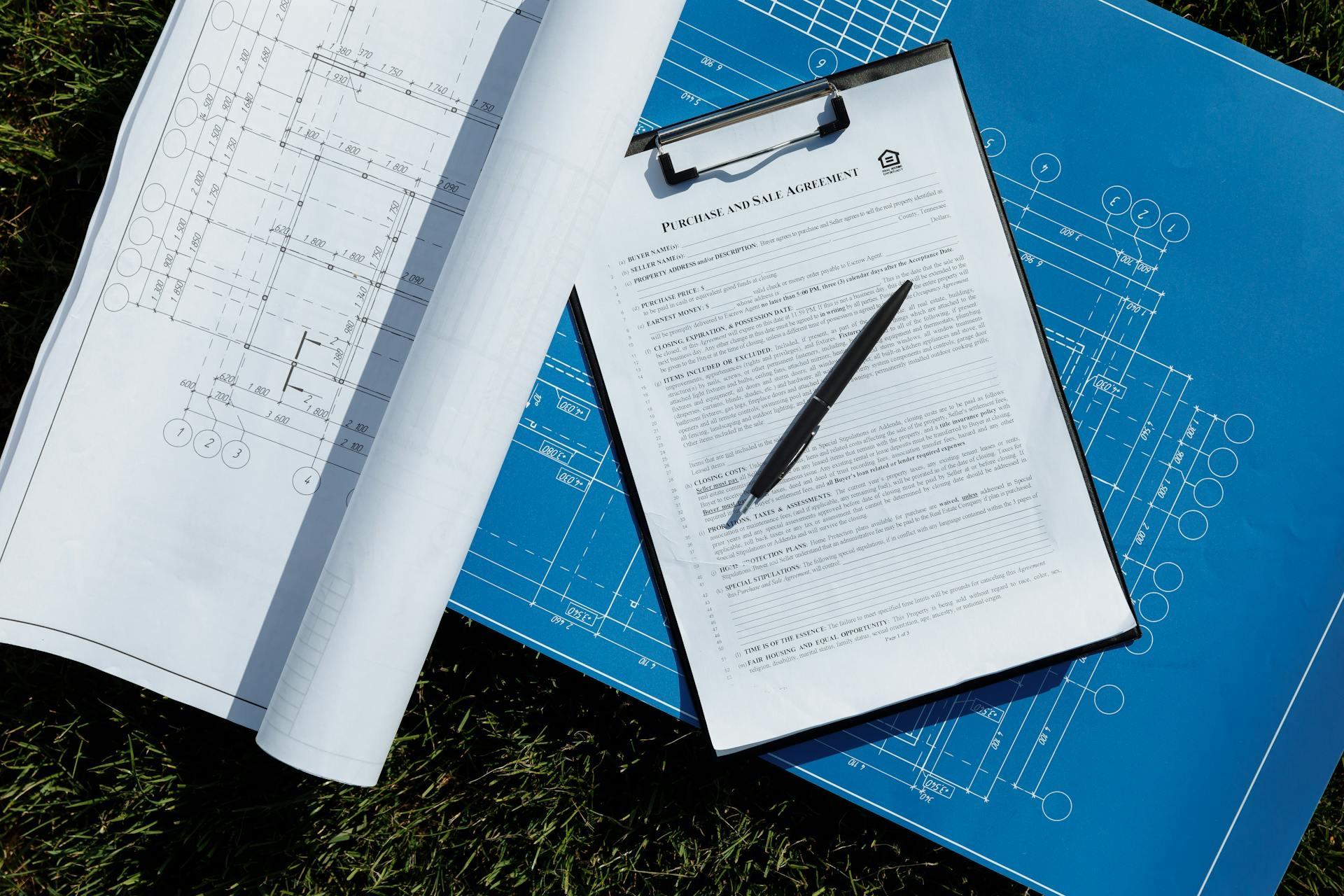
Yes, you can sell a Florida home with open permits — but an open permit found during a title search can stall your closing or kill a financed buyer's deal. The path forward depends on whether the permit is still active, expired, or simply never finaled. Here's what to do.
Selling a House with Unpermitted Work in Florida
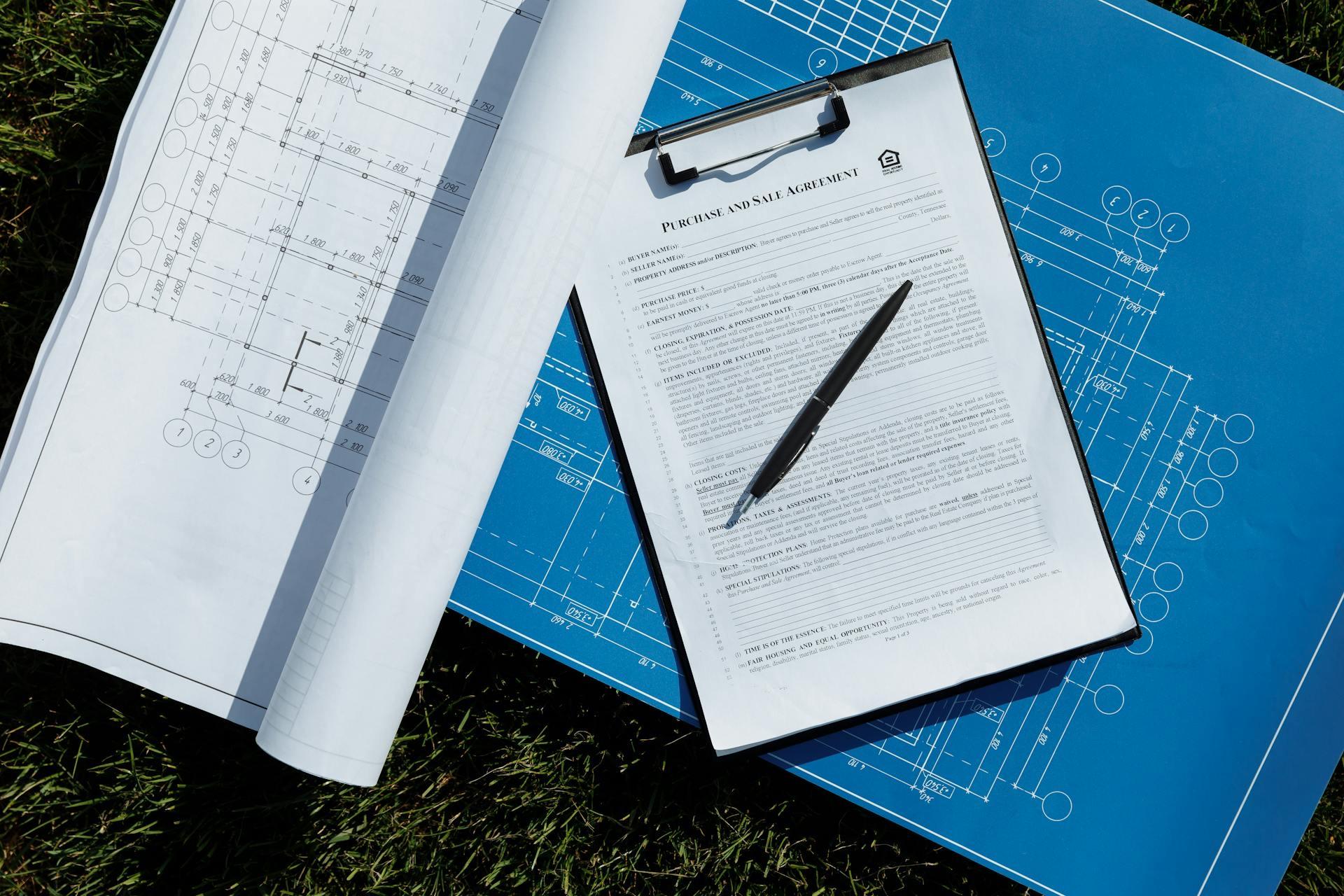
Yes, you can sell a Florida home with unpermitted work — but you must disclose it. Your options are retroactive permitting, pricing the issue in, or selling as-is to a cash buyer. Each path has a different cost, buyer pool, and timeline. Here's how to decide.

Does a Lease Survive the Sale of a House in Florida?
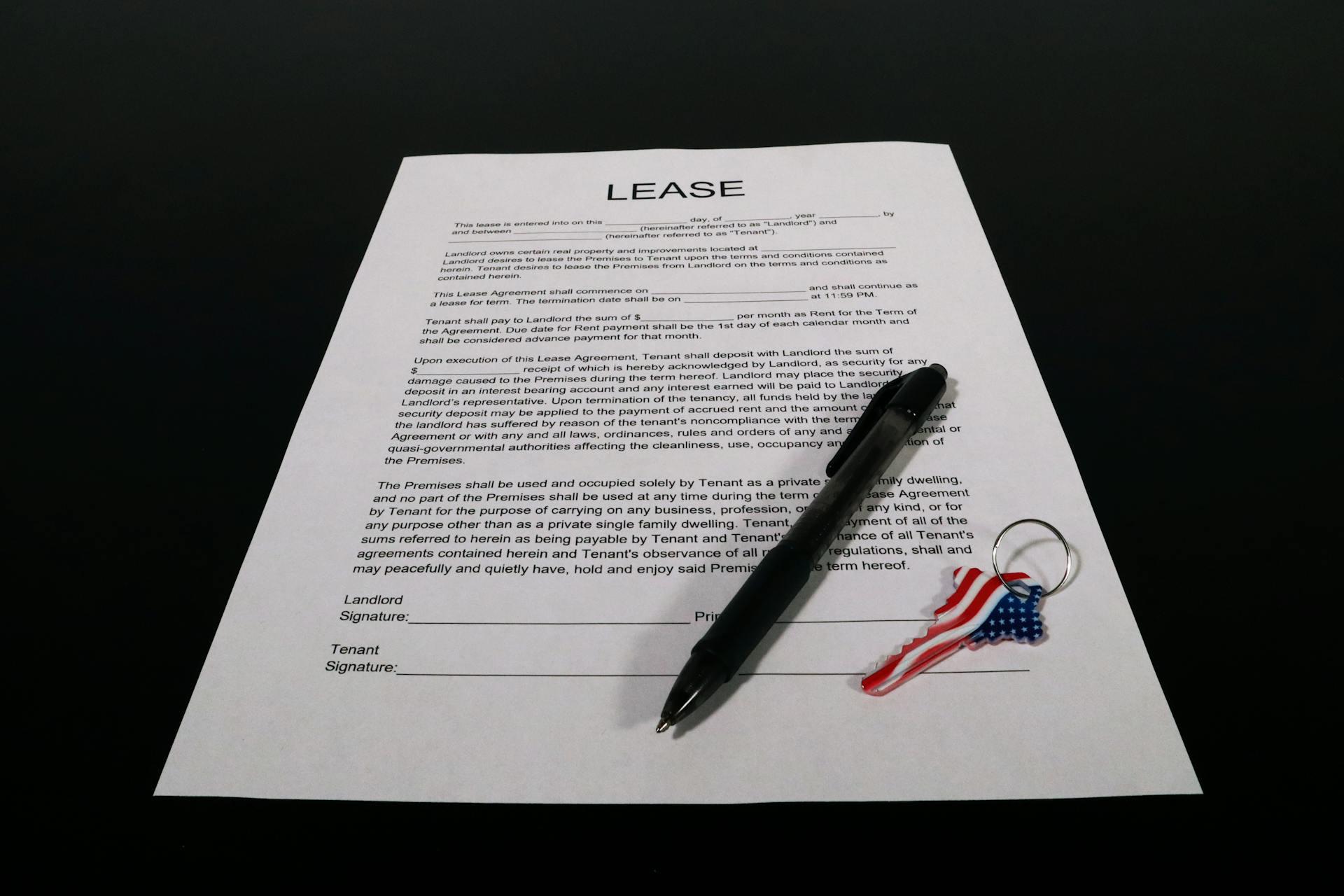
In Florida, a fixed-term lease generally survives the sale of a rental property. The new owner steps into the landlord's role and must honor the existing lease until it expires. Month-to-month tenancies are different — the new owner can typically terminate with 15 days' written notice before the end of the rental period.
How to Sell a Tenant-Occupied Rental Property in Florida
Selling a Florida rental with a tenant in place means reading every line of the lease, building an investor package with current rent, NOI, and cap rate, giving proper notice for showings, and handling the security deposit transfer and prorations correctly at closing — or planning a vacancy-first strategy for retail buyers.