
— Community Guide
Treasure Island
St. Petersburg, FL
“Three miles of Gulf-front beach, a canal-laced interior with private boat docks, and a walkable downtown strip along Gulf Boulevard — Treasure Island packs a full beach lifestyle into a compact barrier island eight miles west of downtown St. Pete.”
Gulf beach · canal dockage · barrier island · walkable downtown
What locals love
- Three miles of Gulf-front beach — some of the widest sand on the Pinellas coast
- Canal-front homes with private docks and Gulf access through John's Pass
- Walkable Gulf Boulevard strip: restaurants, dive bars, independent shops
- Compact city of ~7,500 residents — no resort tower density
- 8 miles to downtown St. Pete; easy bridge access to the mainland
A brief history
The island gets its name from a 1918 real estate stunt: developer Bill McAdoo buried wooden chests and announced a treasure discovery near the first hotel (built 1915 by Whitey Harrell, who called it "Coney Island") to attract investors. The scheme worked well enough to brand the place permanently. The towns of Sunset Beach, Boca Ciega, Treasure Island, and Sunshine Beach were incorporated by Special Act of the Florida Legislature on May 3, 1955. Most of the current housing stock went up in the postwar boom years of the 1950s through 1970s, when modest CBS ranch homes filled the interior streets and cottages lined the Gulf-side blocks.
The housing mix
Concrete block ranch homes from the 1950s–70s are the most common type on interior streets — typically 3 bedrooms, 2 baths, and 1,400–1,800 square feet, priced $450K–$750K. Canal-front homes with private dockage start around $800K and climb past $2M for direct Gulf access. Gulf-front condos in low-rise buildings along Gulf Boulevard run $500K–$1.5M. Post-Hurricane Idalia rebuilds (elevated, newer construction) are increasingly visible and price above $1.2M. Nearly all structures on the island are in FEMA Zone AE or VE, so flood insurance is a non-negotiable line item — budget $1,500–$5,000+ per year depending on the elevation certificate.
Who lives here
Retirees and second-home buyers are the dominant buyer profile, drawn by beach access and the slower pace of a small-city island. Full-time families make up a smaller segment, with children often enrolled in the Pinellas County Schools choice/magnet system rather than the zoned Azalea schools. Remote workers appear in the buyer mix, particularly for canal-front homes where a dock doubles as office scenery. Most buyers arrive from elsewhere in the Tampa Bay metro or relocate from Northern states seeking year-round Gulf access without committing to a larger-city footprint.
Landmarks & things to do
- Treasure Island Beach — 3 miles of Gulf sand; kite rentals, paddleboard launch, and the annual Sanding Ovations sand-sculpting festival
- John's Pass Boardwalk — 100+ shops and waterfront restaurants at the northern inlet boundary with Madeira Beach; boat tours depart from here
- Sunset Beach — quieter, narrower southernmost stretch; less foot traffic, more locals
- Gulf Boulevard downtown strip — walkable cluster of independent restaurants, surf shops, and casual bars between 100th and 110th Avenues
- Boca Ciega Bay kayak launch — paddling access through the bayside waterways behind the island
- Treasure Island Kite Festival — annual spring event on the main beach
- Drive-on fishing access at John's Pass pier — public pier with no fishing license required for pier fishing
Schools in the area
- 3/10
Gibbs High School
Pinellas County Schools
- 4/10
John Hopkins Middle School
Pinellas County Schools
- 3/10
Lakewood Elementary School
Pinellas County Schools
- 4/10
Lakewood High School
Pinellas County Schools
- 5/10
Maximo Elementary School
Pinellas County Schools
- 3/10
Meadowlawn Middle School
Pinellas County Schools
- 3/10
Mount Vernon Elementary School
Pinellas County Schools
- 7/10
North Shore Elementary School
Pinellas County Schools
- 4/10
Perkins Elementary
Pinellas County Schools
- 7/10
Shore Acres Elementary School
Pinellas County Schools
- 6/10
St. Petersburg High School
Pinellas County Schools
- 5/10
Woodlawn Elementary School
Pinellas County Schools
- 8/10
Bay Vista Fundamental Elementary School
Pinellas County Schools
Frequently asked about Treasure Island
Where does the name "Treasure Island" come from?
The name traces to a deliberate 1918 marketing hoax. Real estate developer Bill McAdoo buried wooden chests and announced that treasure had been unearthed near Whitey Harrell's beachfront hotel — then the only structure on the island. The publicity stunt attracted investors and the name stuck. The area was formally incorporated as the City of Treasure Island by Special Act of the Florida Legislature on May 3, 1955.
What flood zone is Treasure Island in?
Nearly the entire island is in a FEMA Special Flood Hazard Area. Gulf-front properties are typically in Zone VE (coastal high hazard with wave action), requiring the highest flood insurance premiums — often $1,500–$5,000+ per year. Interior and canal-front properties generally fall in Zone AE (high hazard, no wave action). Flood insurance is mandatory for any property with a federally backed mortgage. Post-Hurricane Idalia (2023), properties meeting the substantial damage threshold (repair cost ≥ 49% of structure value) must be elevated to current flood standards before repair. Always pull the specific elevation certificate before making an offer.
What schools serve Treasure Island?
Treasure Island falls under Pinellas County Schools. The zoned schools are Azalea Elementary (PreK–5), Azalea Middle School (6–8), and Boca Ciega High School (9–12), which offers an IB program. Pinellas County's open choice and magnet system lets families apply for placements at higher-rated schools across the district. Many Treasure Island families participate in the choice lottery, particularly at the elementary level. Confirm current school boundaries with Pinellas County Schools before writing an offer.
How does Treasure Island compare to Madeira Beach and St. Pete Beach?
Madeira Beach — directly to the north across John's Pass — has a denser tourist commercial strip and draws more day-trippers to the boardwalk. St. Pete Beach, to the south, has a larger resort presence and higher concentration of vacation rentals. Treasure Island sits in the middle: less commercial than Madeira Beach, less resort-oriented than St. Pete Beach. Full-time residents favor it for the quieter downtown and the residential-first land use. Condo investors often prefer St. Pete Beach for rental yield; homeowners often prefer Treasure Island for neighborhood feel.
What is the current market like for Treasure Island homes?
As of April 2026, the median listing price in Treasure Island is approximately $700,000, down roughly 11% from a year prior. Homes are averaging around 97 days on market — elevated compared to the broader Tampa Bay metro. Rising flood insurance costs and post-Idalia insurance availability challenges are the primary headwinds. Canal-front and Gulf-front properties are taking longer to sell than inland ranches. If you're budgeting for a Treasure Island purchase, add flood insurance ($1,500–$5,000+/year) and windstorm insurance to your carrying-cost model.
Nearby
Other communities you might like
Allendale Terrace
St. Petersburg
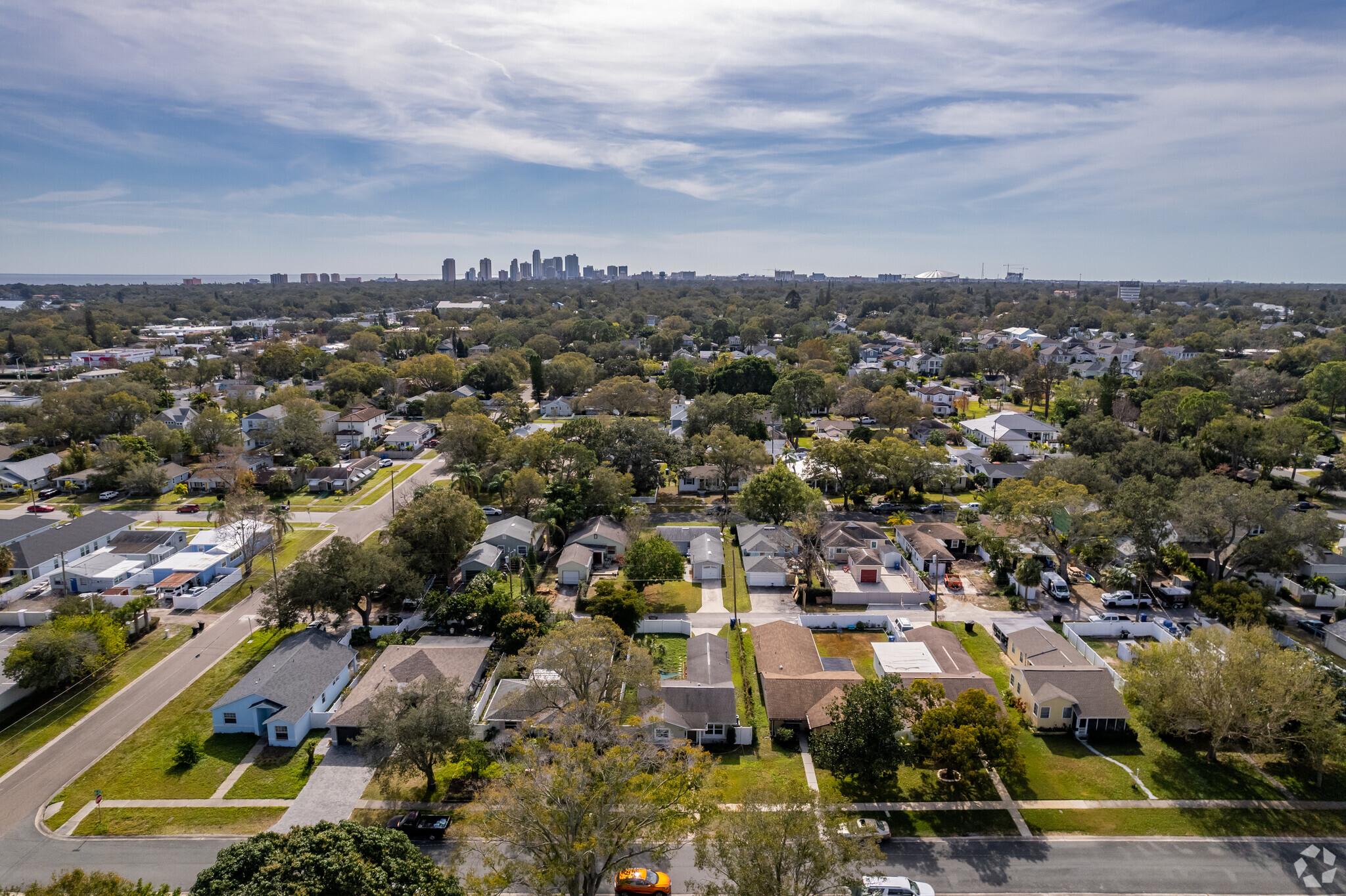
Cobblestone brick streets, estate-scale lots, and 1920s Mediterranean and Tudor homes on high ground north of Crescent Lake.

Coquina Key
St. Petersburg
A man-made island 3 miles south of downtown St. Pete — canals, private boat docks, and Tampa Bay access at prices that still make waterfront living attainable.
Crescent Lake
St. Petersburg
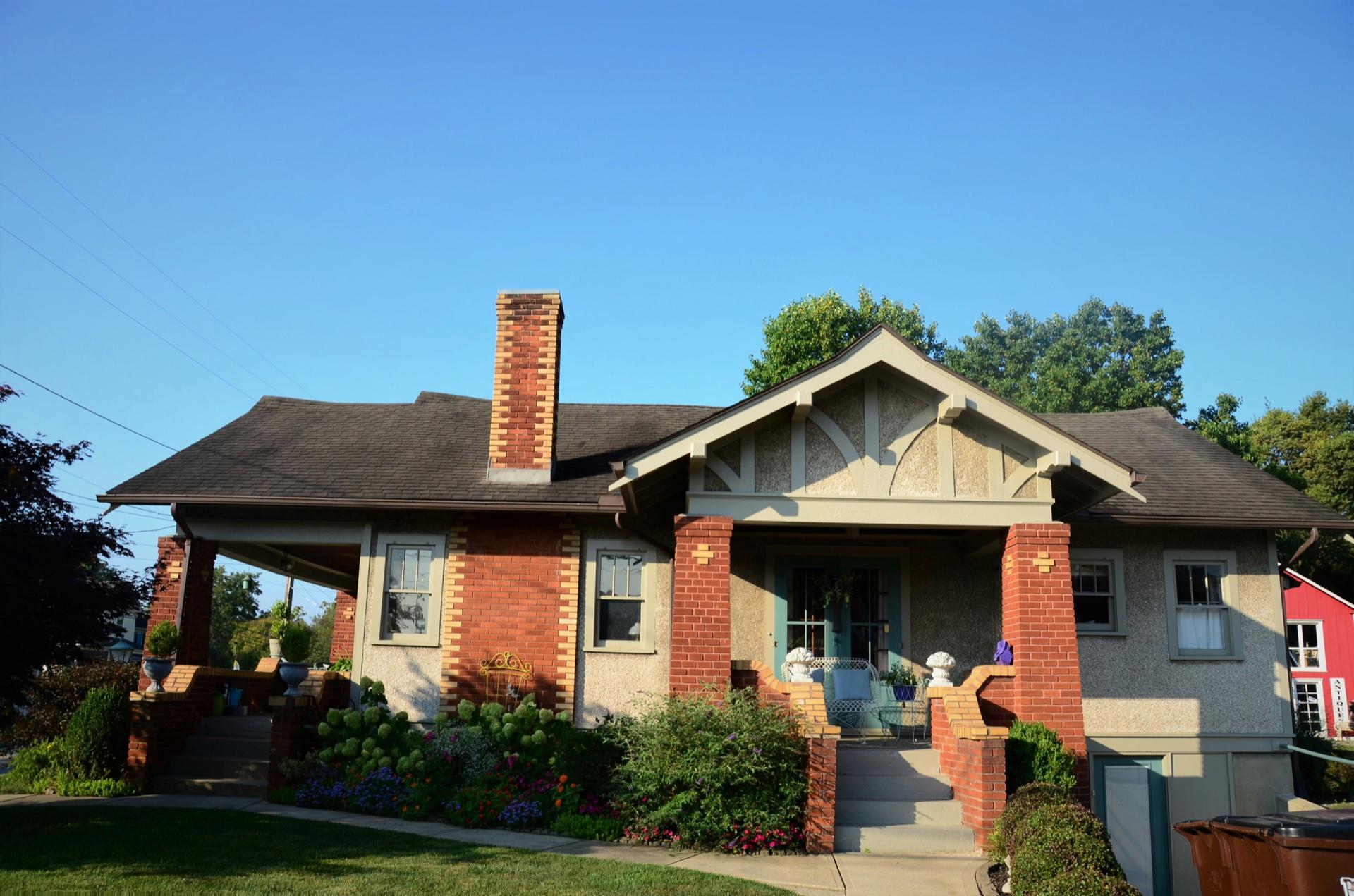
A historic neighborhood ringing a 54-acre park lake less than a mile from downtown -- where Babe Ruth took spring training, and Craftsman porches still face tree-lined streets out of the flood zone.
Where Treasure Island is
St. Petersburg, FL
In this area
Schools nearby
 Nearby
John Hopkins Middle School
Pinellas County Schools
 Nearby
Lakewood Elementary School
Pinellas County Schools
 Nearby
Lakewood High School
Pinellas County Schools
 Nearby
Maximo Elementary School
Pinellas County Schools
 Nearby
Meadowlawn Middle School
Pinellas County Schools
Gibbs High School
Pinellas County Schools
NearbyRead more
Featured posts
 Featured
Moving to Tampa from Out of State: What You Need to Know
Blog
Tampa draws tens of thousands of out-of-state movers every year — mostly from New York, California, and the Northeast. No state income tax…
 Featured
Moving to St. Petersburg, FL from Out of State: What to Know Before You Sign
Blog
St. Petersburg is a real city with a real art scene, walkable downtown, and serious waterfront access — but flood zones, insurance costs, a…
 Featured
Florida Flood Zones, Explained: What X, AE, and VE Mean for Your Insurance
Blog
Every Florida home has a FEMA flood zone designation — and that two-letter label can add $2,000 to $10,000 a year to your cost of ownership…
 Featured
Choosing an Investment Property Agent in Florida: What Actually Matters
Blog
Not every real estate agent is equipped to handle investment property transactions in Florida. Here is what separates a capable investor-fo…
Same city
More neighborhoods in St. Petersburg
Same cityAllendale Terrace
St. Petersburg
Cobblestone brick streets, estate-scale lots, and 1920s Mediterranean and Tudor homes on high ground north of Crescent Lake.
Same cityCoquina Key
St. Petersburg
A man-made island 3 miles south of downtown St. Pete — canals, private boat docks, and Tampa Bay access at prices that still make waterfron…
Same cityCrescent Lake
St. Petersburg
A historic neighborhood ringing a 54-acre park lake less than a mile from downtown -- where Babe Ruth took spring training, and Craftsman p…
 Same city
Disston Heights
St. Petersburg
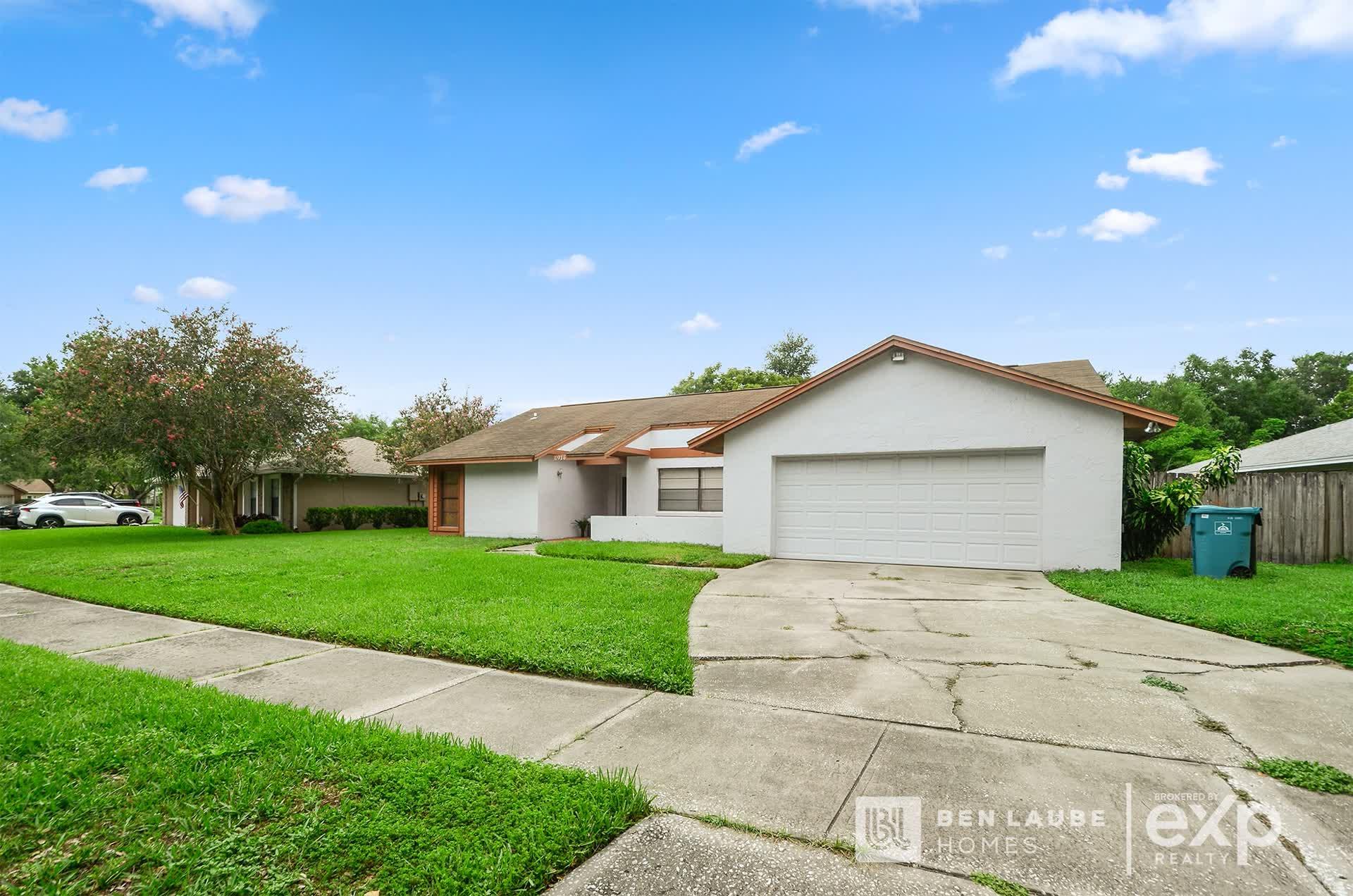
Disston Heights is one of central St. Petersburg's largest mid-century neighborhoods — named for Hamilton Disston, the Philadelphia saw mag…
 Same city
Downtown St. Petersburg
St. Petersburg
Arts district, waterfront parks, the Dali museum, and a national-award-winning dining scene concentrated along Central Avenue and Beach Dri…
 Same city
Euclid-St. Paul
St. Petersburg
One of St. Petersburg's oldest residential neighborhoods — brick streets, 1920s craftsman and Queen Anne homes, Zone X flood status, and un…
Thinking about a home in Treasure Island?
Tell me what you're looking for and I'll send a tailored list with context on each one — schools, flood zones, market timing, the stuff that matters.