
— Community Guide
Thornton Park
Orlando, FL
“Thornton Park is the walkable residential district directly east of Lake Eola -- a half-mile of 1920s craftsman bungalows on shaded brick alleys, with E. Washington Street's restaurant and boutique corridor at one end and the Orlando skyline reflecting in the lake at the other.”
Historic District · walkable · Lake Eola access · craftsman bungalows · downtown Orlando
What locals love
- Lake Eola Park on the doorstep -- swan boats, the Sunday farmers market, and the amphitheater are minutes on foot
- Part of the Lake Lawsona Historic District (City of Orlando, 1994; National Register, 2019) -- one of downtown's most intact bungalow streetscapes
- E. Washington Street commercial corridor: Burton's, The Classic, boutiques, and the monthly 2nd Thursday Wine & Art Walk
- Craftsman bungalows and Mediterranean revival homes from the 1920s-1940s; some infill townhomes and high-rise condos on the Eola-facing western edge
- Walking distance to downtown Orlando offices, SoDo medical corridor, and I-4/408 access
A brief history
The broader Lake Lawsona area was first incorporated into Orlando in 1887 and expanded significantly during the Florida Land Boom of the 1920s. Developer Walter Washington Rose was among the area's primary early planners, preserving natural features including the lakes. The City of Orlando designated Lake Lawsona an Orlando Historic District in 1994. In 2019, the district was added to the National Register of Historic Places, recognizing more than 500 contributing structures built primarily between the 1920s and 1940s. The Washington Street Bridge (1926) and the building now known as Howard Middle School -- originally Orlando High School, built in 1927 -- are local historic landmarks within the district. The Thornton Park District E. Washington Street corridor became part of the National Historic Trust's Main Street Program, bringing additional preservation focus to the commercial strip.
The housing mix
The residential core is 1920s-1940s craftsman bungalows and Mediterranean revival homes on narrow lots with brick-paved alleys and live oak canopy. Homes range from compact two-bedroom bungalows in the $525K range to larger restored properties and newer construction townhomes above $1M. On the western edge facing Lake Eola, several high-rise condos -- The Waverly, The Sanctuary, and Eola 101 -- offer a different ownership experience at a higher price point. Most of the single-family inventory is on lots under 6,000 square feet; the neighborhood is dense by Orlando standards.
Who lives here
Thornton Park attracts young professionals, couples, and design-conscious buyers who want downtown walkability packaged inside a historic neighborhood rather than a condo tower. Common buyer profiles: downtown Orlando office workers who want a sub-ten-minute commute; people relocating from urban markets (Atlanta, Washington DC, Chicago) who specifically seek a neighborhood with pre-war housing stock; and creatives who value the Lake Eola adjacency and Washington Street dining scene. The rental market is strong given proximity to downtown employers and Orlando Health's SoDo campus.
Landmarks & things to do
- Lake Eola Park -- swan boat rentals, the Sunday Orlando Farmers Market (year-round), the Lake Eola Amphitheater (outdoor concerts and events)
- Burton's Thornton Park (801 E Washington St) -- neighborhood bar and restaurant; open daily
- The Classic Thornton Park (805 E Washington St) -- smash burgers and milkshakes; opens 9am weekends
- Thornton Park 2nd Thursday Wine & Art Walk -- monthly street event along E Washington from Graffiti Junction to Central Blvd
- Howard Middle School historic building (1927) -- former Orlando High School; local historic landmark
- Constitution Green Park -- small neighborhood park on E Central Blvd at N Summerlin Ave
- Lake Lawsona Park -- residential lake park on the neighborhood's eastern edge
- Lake Eola Charter School (135 N Magnolia Ave) -- K-8 charter within walking distance
Schools in the area
- 6/10
Castleview Elementary School
Orange County Public Schools
- 8/10
Dr. Phillips High School
Orange County Public Schools
- 6/10
Freedom High School
Orange County Public Schools
- 7/10
Glenridge Middle School
Orange County Public Schools
- 7/10
Lake Como School
Orange County Public Schools
- 7/10
Lake Eola Charter School
Orange County Public Schools
- 5/10
Olympia High School
Orange County Public Schools
- 9/10
Palm Lake Elementary School
Orange County Public Schools
- 9/10
Princeton Elementary School
Orange County Public Schools
- 7/10
Sand Lake Elementary School
Orange County Public Schools
- 4/10
Ventura Elementary School
Orange County Public Schools
- 8/10
Village Park Elementary School
Orange County Public Schools
- 8/10
Vista Lakes Elementary School
Orange County Public Schools
- 6/10
Waterbridge Elementary School
Orange County Public Schools
Waterford Elementary School
Orange County Public Schools
- 9/10
West Creek Elementary School
Orange County Public Schools
- 4/10
West Oaks Elementary School
Orange County Public Schools
- 6/10
Westpointe Elementary School
Orange County Public Schools
- 8/10
Wetherbee Elementary School
Orange County Public Schools
- 3/10
Washington Shores Elementary School
Orange County Public Schools
- 5/10
Vista Pointe Elementary School
Orange County Public Schools
- 5/10
Vista Pointe Elementary School
Orange County Public Schools
- 10/10
Audubon Park School
Orange County Public Schools
- 7/10
Wyndham Lakes Elementary School
Orange County Public Schools
Frequently asked about Thornton Park
What is Thornton Park and why is it well-known in Orlando?
Thornton Park is the residential neighborhood directly east of Lake Eola Park in downtown Orlando. It is known for three things: its 1920s-1940s craftsman bungalows and Mediterranean revival homes within the Lake Lawsona National Register Historic District; the E. Washington Street dining and boutique corridor; and immediate access to Lake Eola Park, which serves as the neighborhood's de facto front yard. It is consistently ranked among Orlando's most walkable residential neighborhoods and is the closest historic district to downtown Orlando's office core.
Are Thornton Park homes in a flood zone?
Most of Thornton Park's residential blocks are mapped as FEMA Zone X, meaning minimal flood risk and no mandatory flood insurance requirement under typical financing. However, properties adjacent to Lake Eola or Lake Lawsona should be verified individually at the FEMA Flood Map Service Center (msc.fema.gov) -- lakeshore lots may carry Zone AE designation. Thornton Park has no coastal or riverine exposure. Orlando experiences heavy summer rainfall (50+ annual inches), and localized stormwater flooding has occurred during major storm events. Always confirm the specific parcel's flood zone and elevation certificate before making an offer.
What schools serve Thornton Park?
The zoned public K-8 school for most Thornton Park addresses is Lake Como K-8 (Niche grade B, 15:1 student-teacher ratio), part of Orange County Public Schools (an A-rated district overall). Lake Eola Charter School (K-8, 135 N Magnolia Ave) is a choice/application school within walking distance. The zoned public high school is Edgewater High (Niche B+, 30+ AP courses, ranked 233rd in Florida); note that state assessment proficiency rates are below district averages, and many families apply to OCPS magnet programs. Confirm specific address attendance zones at ocps.net before purchasing.
What is the Thornton Park real estate market like in 2026?
Active inventory is thin -- typically 8-15 homes for sale at any time -- spanning a wide range from craftsman bungalows in the $525K range to renovated larger homes and Eola-facing condos above $2M. The median sale price is approximately $679K as of late 2025, down 7-11% year-over-year as Central Florida's market softened from 2022-2023 peaks. Days on market vary significantly by property type: townhomes move in roughly 45 days; single-family bungalows on the interior blocks can take 75-90+ days. The neighborhood's historic designation means supply is structurally constrained -- very few new lots can be created.
How does Thornton Park compare to Mills 50, Audubon Park, or College Park?
Thornton Park is the most urban of the four -- smallest lots, densest residential fabric, highest prices, and maximum walkability. Lake Eola Park is the biggest differentiator: no other Orlando neighborhood has a 43-acre city park as a literal next-door neighbor. Mills 50 (a mile northeast) is similar in historic character but trades the lake for a more active commercial and arts scene; prices are lower. Audubon Park is quieter and family-oriented with a 10/10-rated school zone and less tourist foot traffic. College Park has more consistent 1920s-1940s housing on larger lots with a golf course; prices are lower than Thornton Park but the commute to downtown is longer.
Nearby
Other communities you might like
Altamonte Springs
Altamonte Springs
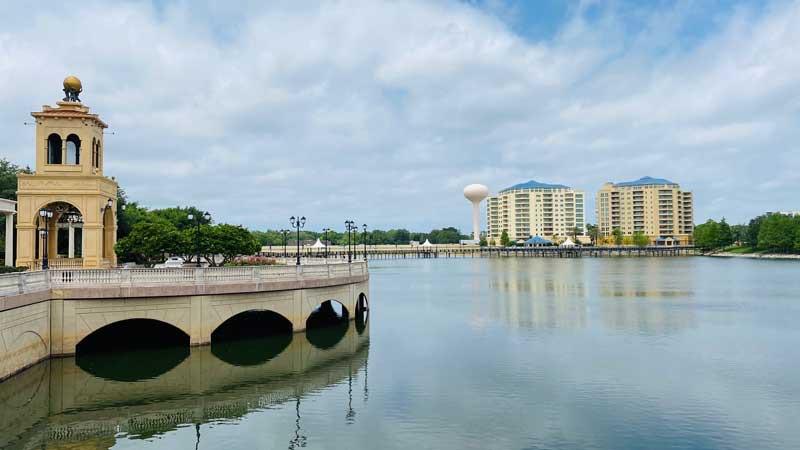
Altamonte Springs is Seminole County's largest city — built around I-4 and SR 436, anchored by Cranes Roost Park, and served by one of Florida's top-rated school districts at price points well below neighboring Winter Park.
Apopka
Apopka
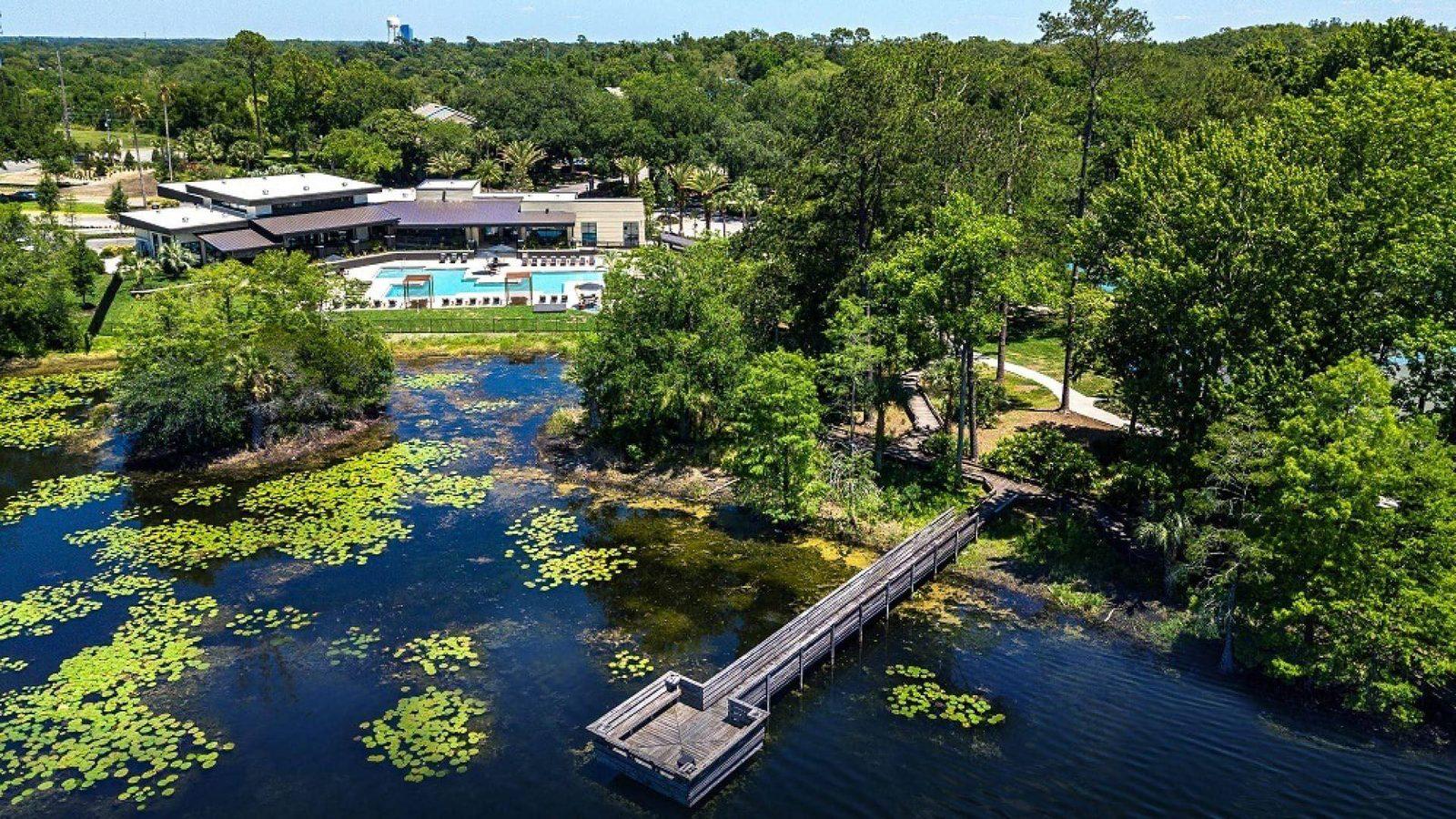
Apopka sits at the northwest edge of Orange County — 20 miles from downtown Orlando via the SR 429 Western Beltway, and 10 minutes from Wekiva Springs State Park and Kelly Park's 68-degree natural spring. The city that earned the nickname "The Indoor Foliage Capital of the World" is now one of Central Florida's fastest-growing corridors, with new communities along the Kelly Park Road interchange meeting established neighborhoods built around lakes, golf courses, and old Florida oak canopy.
Audubon Park
Orlando
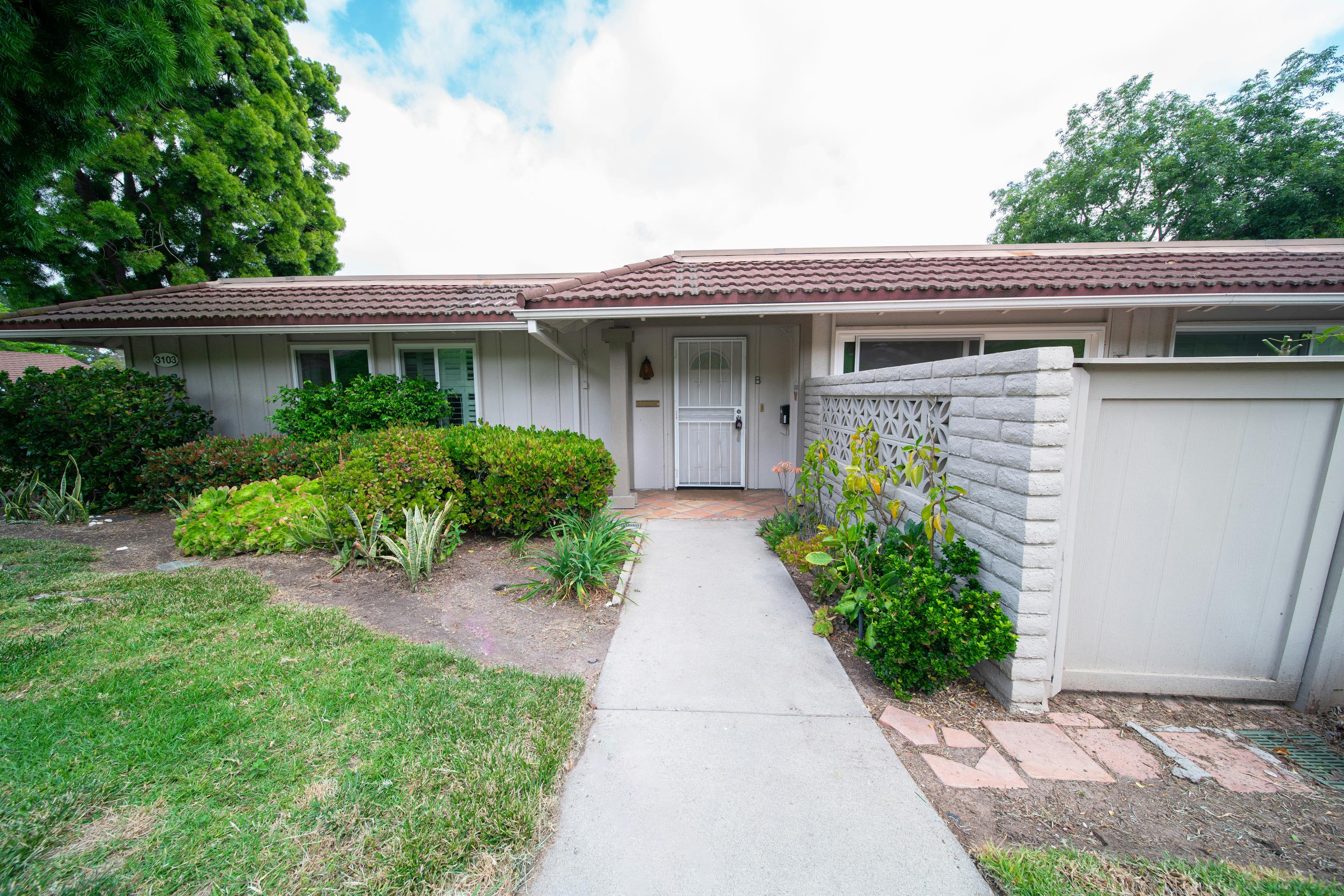
East Orlando's most walkable neighborhood -- Corrine Drive lined with Michelin-starred restaurants and independent shops, a 50-acre botanical garden at the doorstep, and a K-8 school that scores 10 out of 10.
Where Thornton Park is
Orlando, FL
In this area
Schools nearby
Dr. Phillips High School
Orange County Public Schools
Nearby Nearby
Freedom High School
Orange County Public Schools
Glenridge Middle School
Orange County Public Schools
Nearby Nearby
Lake Como School
Orange County Public Schools
 Nearby
Lake Eola Charter School
Orange County Public Schools
 Nearby
Castleview Elementary School
Orange County Public Schools
Read more
Featured posts
 Featured
Best Orlando Neighborhoods for Families in 2026
Blog
Orlando spans four counties and hundreds of neighborhoods — not all of them equal for families. This guide covers 11 areas where schools, s…
 Featured
LGBTQ+ Homebuyer Guide for Florida: Rights, Protections, and What to Watch For
Blog
Florida has no statewide housing non-discrimination law protecting LGBTQ+ buyers. But federal Fair Housing Act protections do apply — and k…
Same city
New construction in Orlando

Alora
by Toll Brothers · Orlando
Alora is Toll Brothers’ new luxury townhome community in Lake Nona, with three-story plans, Laureate Park amenity access, and model homes o…
EverBe
by Pulte Homes · Orlando
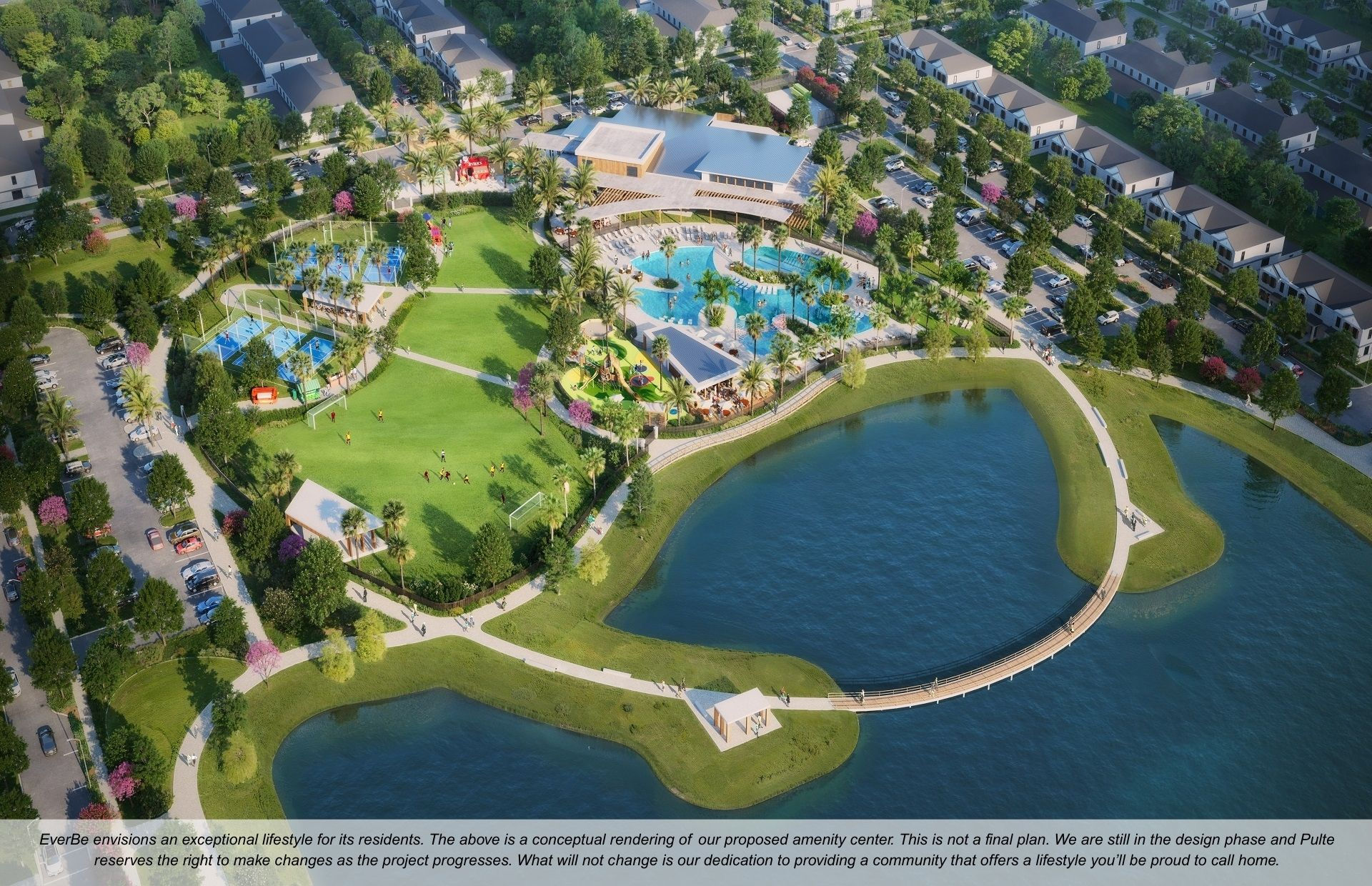
EverBe is a new master-planned community in East Orlando near the SR-417/SR-528 corridor, with Pulte townhome and single-family options and…

EverBe
by Lennar Homes · Orlando
EverBe is a new master-planned community in East Orlando near the SR-417/SR-528 corridor, with Lennar townhome and single-family options an…

Gatherings of Lake Nona
by Beazer Homes · Orlando
The Gatherings® of Lake Nona is Lake Nona's only 55+ active-adult condo community — 216 low-maintenance condos with attached garages, resor…
Same city
More neighborhoods in Orlando
Same cityAudubon Park
Orlando
East Orlando's most walkable neighborhood -- Corrine Drive lined with Michelin-starred restaurants and independent shops, a 50-acre botanic…
 Same city
Baldwin Park
Orlando
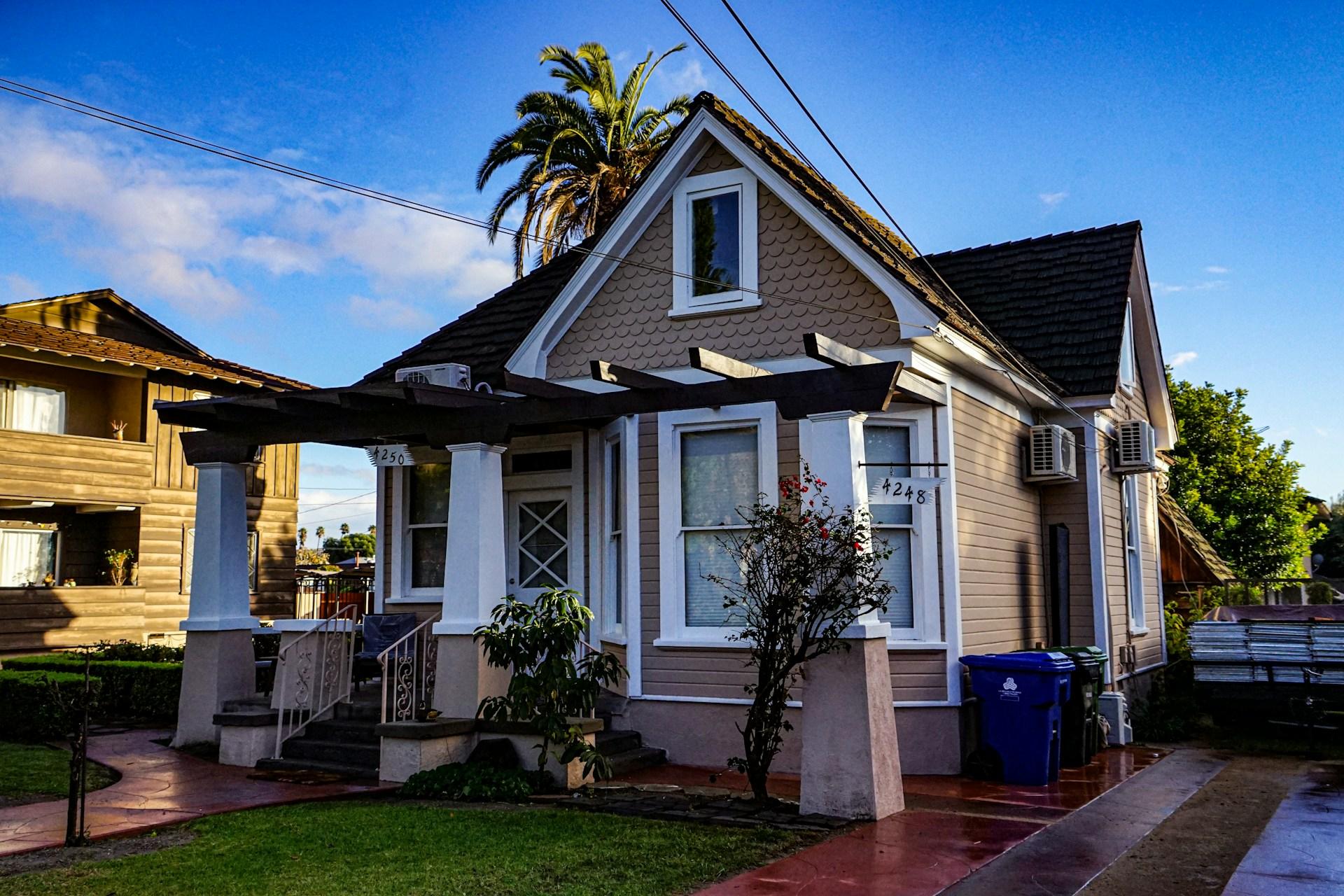
Master-planned urban village built on the former Orlando Naval Training Center. Walkable streets, New England architecture, and three lakes.
 Same city
College Park
Orlando
College Park is one of Orlando's oldest in-town neighborhoods, built in the 1920s on streets named after universities — Princeton, Harvard,…
 Same city
Conway
Orlando
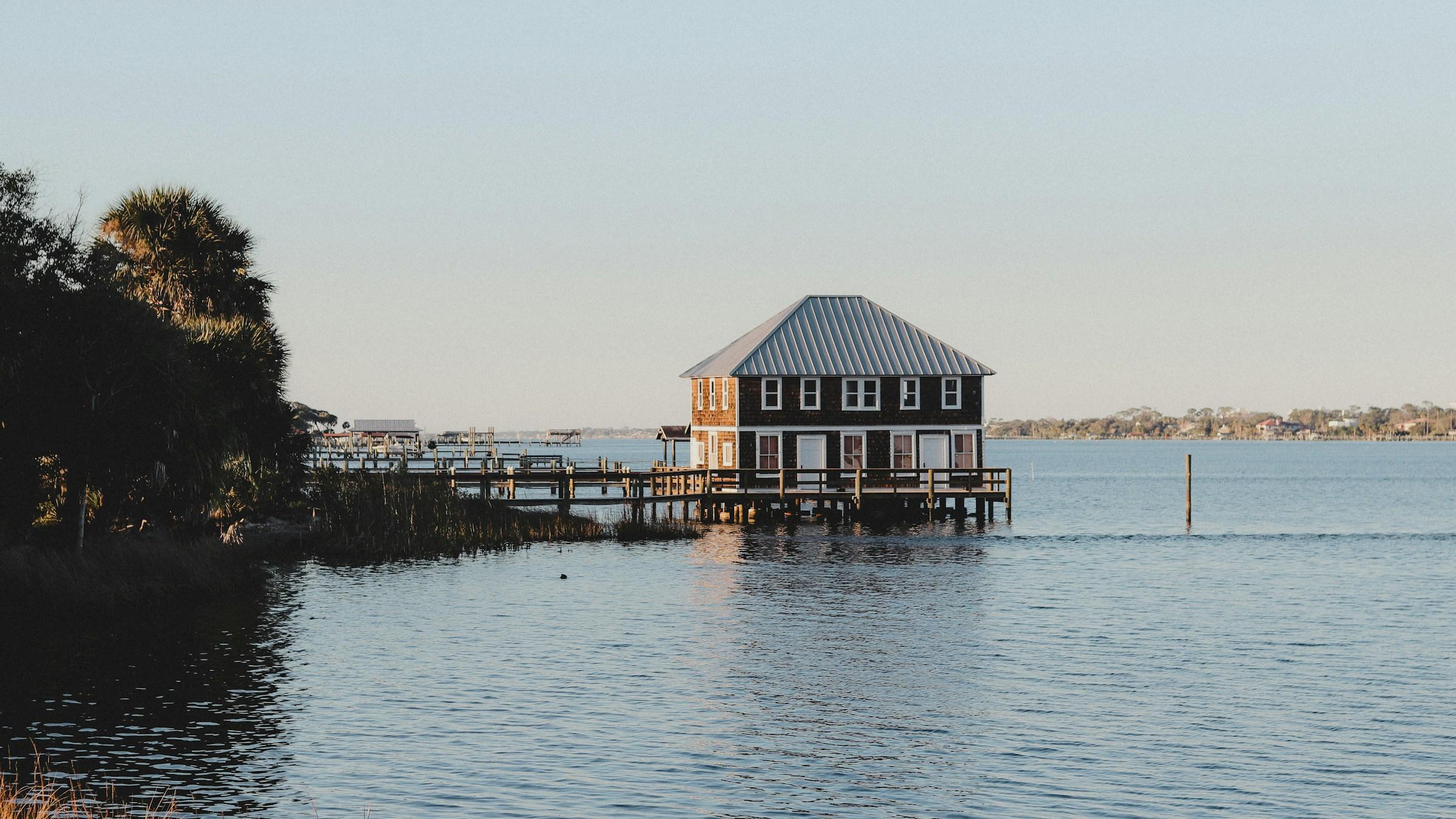
Conway is southeast Orlando's lake-chain neighborhood — four interconnected motorized-boat lakes totaling nearly 1,800 acres, 10 minutes fr…
 Same city
Delaney Park
Orlando
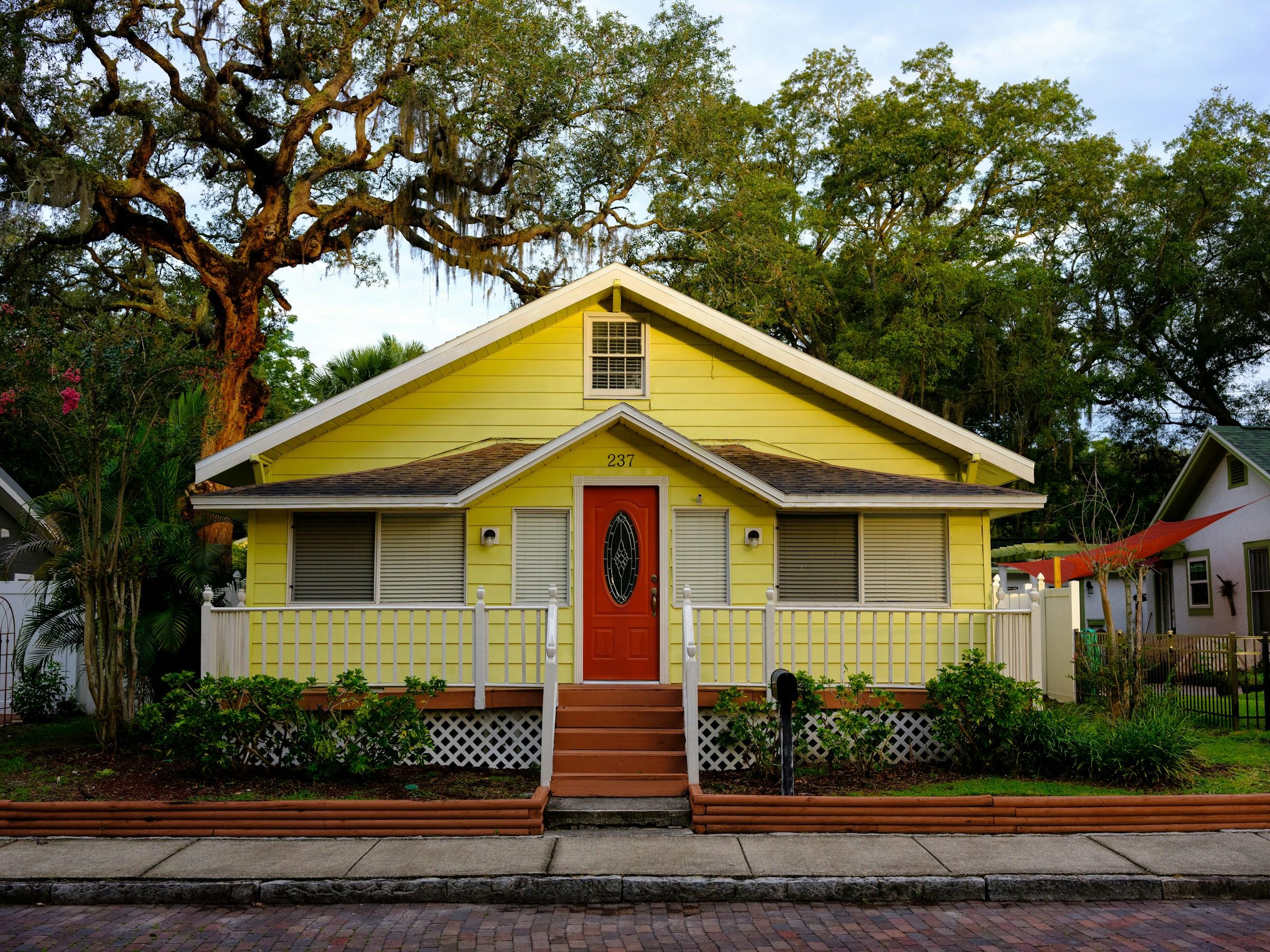
Delaney Park is one of downtown Orlando's oldest in-town neighborhoods — 1920s craftsman bungalows and Mediterranean revivals on shaded str…
 Same city
Dr. Phillips
Orlando
Established South Orlando community known for gated golf communities, Restaurant Row (Sand Lake Road), and top-rated schools.
Thinking about a home in Thornton Park?
Tell me what you're looking for and I'll send a tailored list with context on each one — schools, flood zones, market timing, the stuff that matters.