
— Community Guide
Lake Eola Heights
Orlando, FL
“Lake Eola Heights is Orlando's first locally designated historic district — 487 homes on brick streets under 100-year-old live oaks, one walk-light from Lake Eola Park, with no HOA and Hillcrest Elementary (10/10) as the zoned school.”
Historic district · brick streets · live oak canopy · walkable · no HOA
What locals love
- Orlando's first local historic district (1989) and National Register of Historic Places (1992) — 487 contributing structures
- Brick-paved residential streets lined with live oaks that arc overhead — the densest uninterrupted canopy inside the city limits
- Hillcrest Elementary zoned 10/10 GreatSchools and named Florida School of Excellence 2024–25
- Three-minute walk to Lake Eola Park and the Sunday Orlando Farmers Market
- Zone X flood designation — low risk, no mandatory flood insurance; unusual for downtown Orlando
A brief history
The land traces to Jacob Summerlin, Orlando's first city council president, who acquired roughly 200 acres for a citrus operation in the late 19th century. The Great Freeze of 1894–95 killed the citrus; Summerlin's heirs subdivided the land for residential development, and the area filled in rapidly during the Florida Land Boom of the 1910s–1920s. New Englanders seeking mild winters bought the lots; the architecture reflects that migration — craftsman bungalows and colonial revival homes built by builders familiar with northern vernacular, adapted to Florida's heat with deep porches and cross-ventilating window pairs. By mid-century the neighborhood had declined; by the 1980s it was largely renter-occupied and deteriorating. Residents organized the Lake Eola Heights Historic Neighborhood Association and petitioned the city; Orlando designated it a local historic district in 1989 — the first in the city — and the National Register listing followed in January 1992. The designation halted demolitions and set design guidelines that have kept the streetscape intact.
The housing mix
Most homes are single-story craftsman bungalows built between 1905 and 1930 on compact lots — typically 50 by 100 feet or smaller. Two-bedroom bungalows in need of cosmetic work start around $390K; fully renovated three-bedrooms with original hardwood, deep-porch restorations, and updated kitchens run $550K–$750K. Colonial revival and Mediterranean revival properties — rarer, larger, and commanding corner lots — have sold above $900K. There is no attached or gated product; the neighborhood is entirely single-family residential with a handful of duplexes from the 1940s. Lot sizes are small by suburban standards, which keeps price-per-square-foot high relative to outer ring neighborhoods.
Who lives here
Lake Eola Heights skews younger professionals, design-conscious couples, and buyers who want city walkability housed inside authentic architecture rather than new construction. The neighborhood draws people relocating from Atlanta, Washington DC, and other urban markets who specifically seek a pre-war housing stock and a neighborhood identity. Families are increasingly present — Hillcrest Elementary's 10/10 rating is a consistent driver. Unlike Thornton Park (louder, more bar scene), Lake Eola Heights is quiet and residential-first: the social life is the Sunday farmers market, morning runs around the lake, and front-porch neighbors rather than a commercial strip. No HOA means owners can renovate freely within historic guidelines, which appeals to the renovation-minded buyer.
Landmarks & things to do
- Lake Eola Park — 43-acre city park; swan boat rentals, the Sunday Orlando Farmers Market (year-round), and the Walt Disney Amphitheater for outdoor events
- Sunday Orlando Farmers Market at Lake Eola — one of Central Florida's largest, held every Sunday 10am–4pm along Robinson Street
- Walk the brick-paved residential streets — Hillcrest, N Hyer Ave, the Summerlin intersection block — to see the intact historic streetscape
- Howard Middle School historic building (1927) on N Hyer — originally Orlando High School; a local landmark visible on the neighborhood's eastern edge
- Lake Eola Charter School (135 N Magnolia Ave) — K-8 choice/application school within the neighborhood footprint
- Thornton Park commercial corridor (E Washington St) — Burton's, The Classic, boutiques; 5-minute walk south
- Downtown Orlando core — one mile south via Magnolia Ave; Church Street, Orange Ave, and the Dr. Phillips Center
- Cady Way Trail and Lake Baldwin Park — accessible via bike path east through Mills 50 and Baldwin Park corridors
Schools in the area
- 6/10
Castleview Elementary School
Orange County Public Schools
- 8/10
Dr. Phillips High School
Orange County Public Schools
- 6/10
Freedom High School
Orange County Public Schools
- 7/10
Glenridge Middle School
Orange County Public Schools
- 7/10
Lake Como School
Orange County Public Schools
- 7/10
Lake Eola Charter School
Orange County Public Schools
- 5/10
Olympia High School
Orange County Public Schools
- 9/10
Palm Lake Elementary School
Orange County Public Schools
- 9/10
Princeton Elementary School
Orange County Public Schools
- 7/10
Sand Lake Elementary School
Orange County Public Schools
- 4/10
Ventura Elementary School
Orange County Public Schools
- 8/10
Village Park Elementary School
Orange County Public Schools
- 8/10
Vista Lakes Elementary School
Orange County Public Schools
- 6/10
Waterbridge Elementary School
Orange County Public Schools
Waterford Elementary School
Orange County Public Schools
- 9/10
West Creek Elementary School
Orange County Public Schools
- 4/10
West Oaks Elementary School
Orange County Public Schools
- 6/10
Westpointe Elementary School
Orange County Public Schools
- 8/10
Wetherbee Elementary School
Orange County Public Schools
- 3/10
Washington Shores Elementary School
Orange County Public Schools
- 5/10
Vista Pointe Elementary School
Orange County Public Schools
- 5/10
Vista Pointe Elementary School
Orange County Public Schools
- 10/10
Audubon Park School
Orange County Public Schools
- 7/10
Wyndham Lakes Elementary School
Orange County Public Schools
Frequently asked about Lake Eola Heights
What makes Lake Eola Heights different from Thornton Park?
Both are historic downtown Orlando districts on brick streets within walk distance of Lake Eola Park, but they have different characters. Thornton Park has the E. Washington Street commercial corridor — restaurants, bars, a wine walk; it draws people who want to be near the action. Lake Eola Heights is quieter and more residential-first — the shopping and dining are a five-minute walk away but not in the neighborhood. Lake Eola Heights also has a stronger school story: Hillcrest Elementary (10/10) vs. Lake Como K-8 for Thornton Park. Both carry no HOA, and both sit in FEMA Zone X.
Are homes in Lake Eola Heights in a flood zone?
Lake Eola Heights is primarily mapped as FEMA Zone X — the lowest-risk designation, meaning the area is outside the 100-year floodplain and flood insurance is not required by lenders. This is a meaningful financial advantage over nearby lower-elevation neighborhoods. That said, Orlando's central location means localized stormwater flooding can occur during heavy summer storms (the city averages 50+ inches of rainfall per year). Always verify the specific parcel's FEMA flood zone at msc.fema.gov before making an offer, as zone boundaries can shift and individual lots near Lake Eola itself may differ.
What schools serve Lake Eola Heights?
The zoned public schools for most Lake Eola Heights addresses are Hillcrest Elementary (GreatSchools 10/10, Florida School of Excellence 2024–25), Howard Middle School (GreatSchools 8/10, magnet with Gifted & Talented), and Edgewater High School (GreatSchools 5/10, AP and Project Lead the Way; graduation rate 97%). Private alternatives nearby include Lake Highland Prep and Bishop Moore Catholic. School zone boundaries are address-specific — confirm at ocps.net before purchasing, as streets near the district edges may fall in a different feeder pattern.
What is the Lake Eola Heights real estate market like in 2025–2026?
As of early 2026, the market is buyer-favorable compared to the 2022–2023 peak. The median sold price is approximately $460K (March 2025 data), down modestly from prior-year highs. Days on market are running around 80–85 days — noticeably longer than a couple of years ago. Inventory is still limited by the neighborhood's physical size (487 homes total, most owner-occupied), so a well-priced, well-maintained craftsman can still move in under 45 days. Properties needing full renovation or priced above $700K are taking longer. Ben can pull current Stellar MLS closed-sale data for ZIP 32803 for a more current read.
Does Lake Eola Heights have an HOA?
No. Lake Eola Heights has no homeowners association and no HOA fees. Properties within the historic district boundary are subject to the City of Orlando's historic preservation overlay, which means exterior changes visible from the street — demolition, additions, major alterations — require a Certificate of Appropriateness from the Historic Preservation Board. The review process is typically administrative for routine updates (new windows, re-siding with like material) but can require a board hearing for larger changes. Interior renovations have no restrictions. This is a different constraint than an HOA but less onerous for most buyers.
Nearby
Other communities you might like
Altamonte Springs
Altamonte Springs
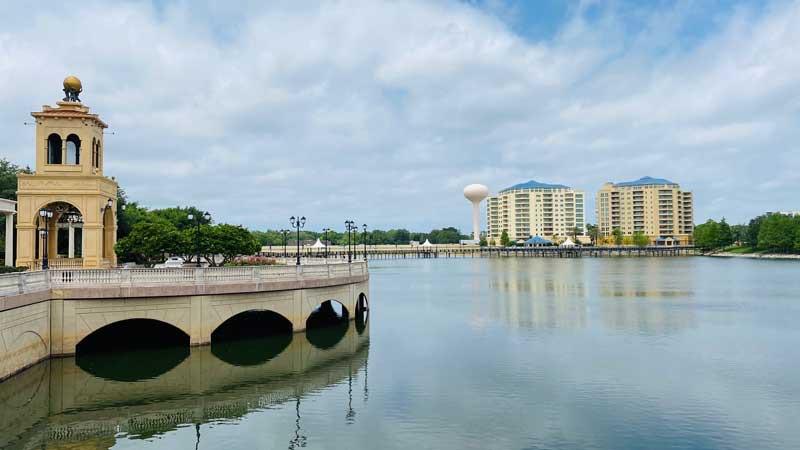
Altamonte Springs is Seminole County's largest city — built around I-4 and SR 436, anchored by Cranes Roost Park, and served by one of Florida's top-rated school districts at price points well below neighboring Winter Park.
Apopka
Apopka
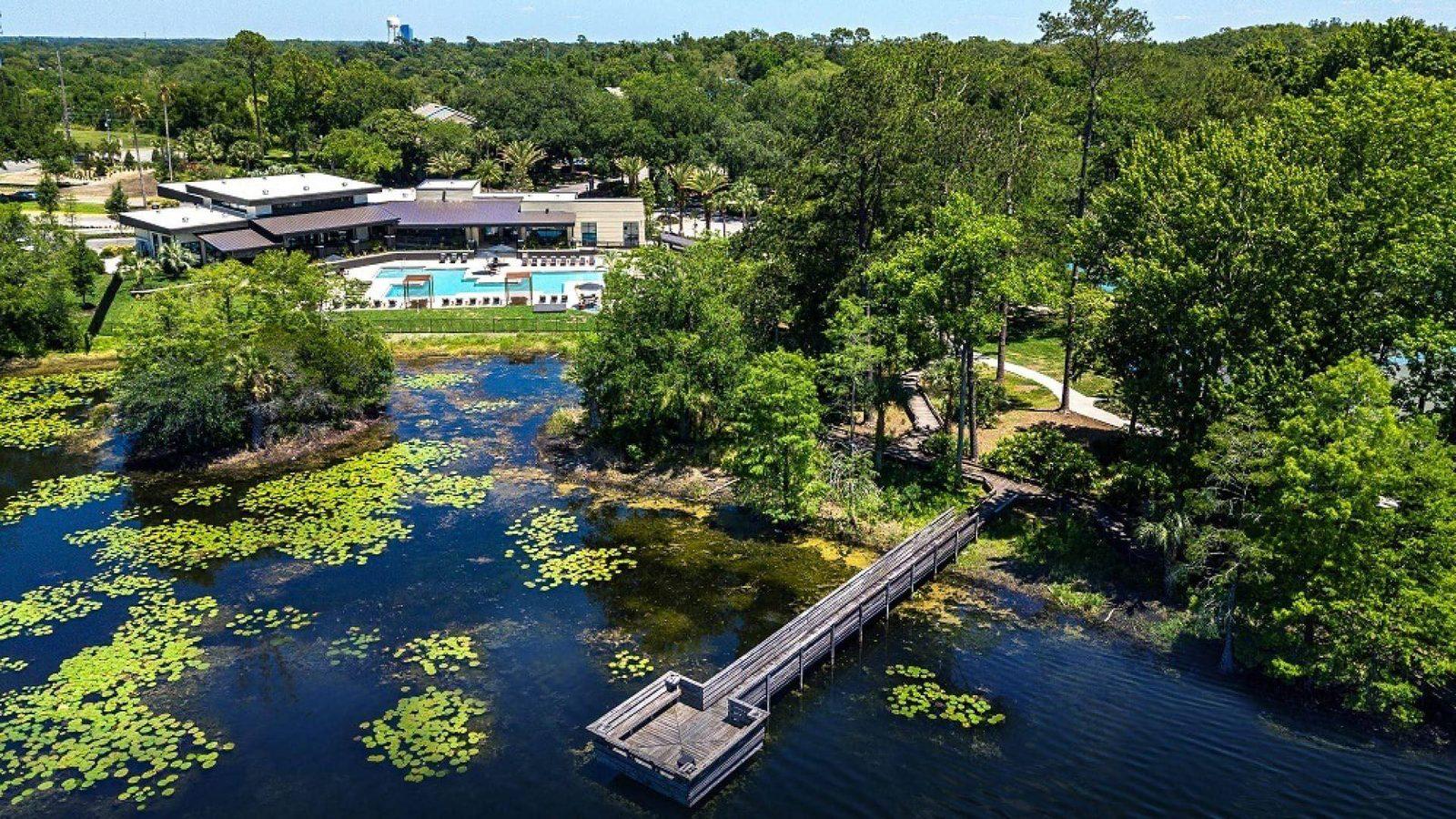
Apopka sits at the northwest edge of Orange County — 20 miles from downtown Orlando via the SR 429 Western Beltway, and 10 minutes from Wekiva Springs State Park and Kelly Park's 68-degree natural spring. The city that earned the nickname "The Indoor Foliage Capital of the World" is now one of Central Florida's fastest-growing corridors, with new communities along the Kelly Park Road interchange meeting established neighborhoods built around lakes, golf courses, and old Florida oak canopy.
Audubon Park
Orlando
East Orlando's most walkable neighborhood -- Corrine Drive lined with Michelin-starred restaurants and independent shops, a 50-acre botanical garden at the doorstep, and a K-8 school that scores 10 out of 10.
Where Lake Eola Heights is
Orlando, FL
In this area
Schools nearby
Dr. Phillips High School
Orange County Public Schools
Nearby Nearby
Freedom High School
Orange County Public Schools
Glenridge Middle School
Orange County Public Schools
Nearby Nearby
Lake Como School
Orange County Public Schools
 Nearby
Lake Eola Charter School
Orange County Public Schools
 Nearby
Castleview Elementary School
Orange County Public Schools
Same city
New construction in Orlando

Alora
by Toll Brothers · Orlando
Alora is Toll Brothers’ new luxury townhome community in Lake Nona, with three-story plans, Laureate Park amenity access, and model homes o…
EverBe
by Pulte Homes · Orlando
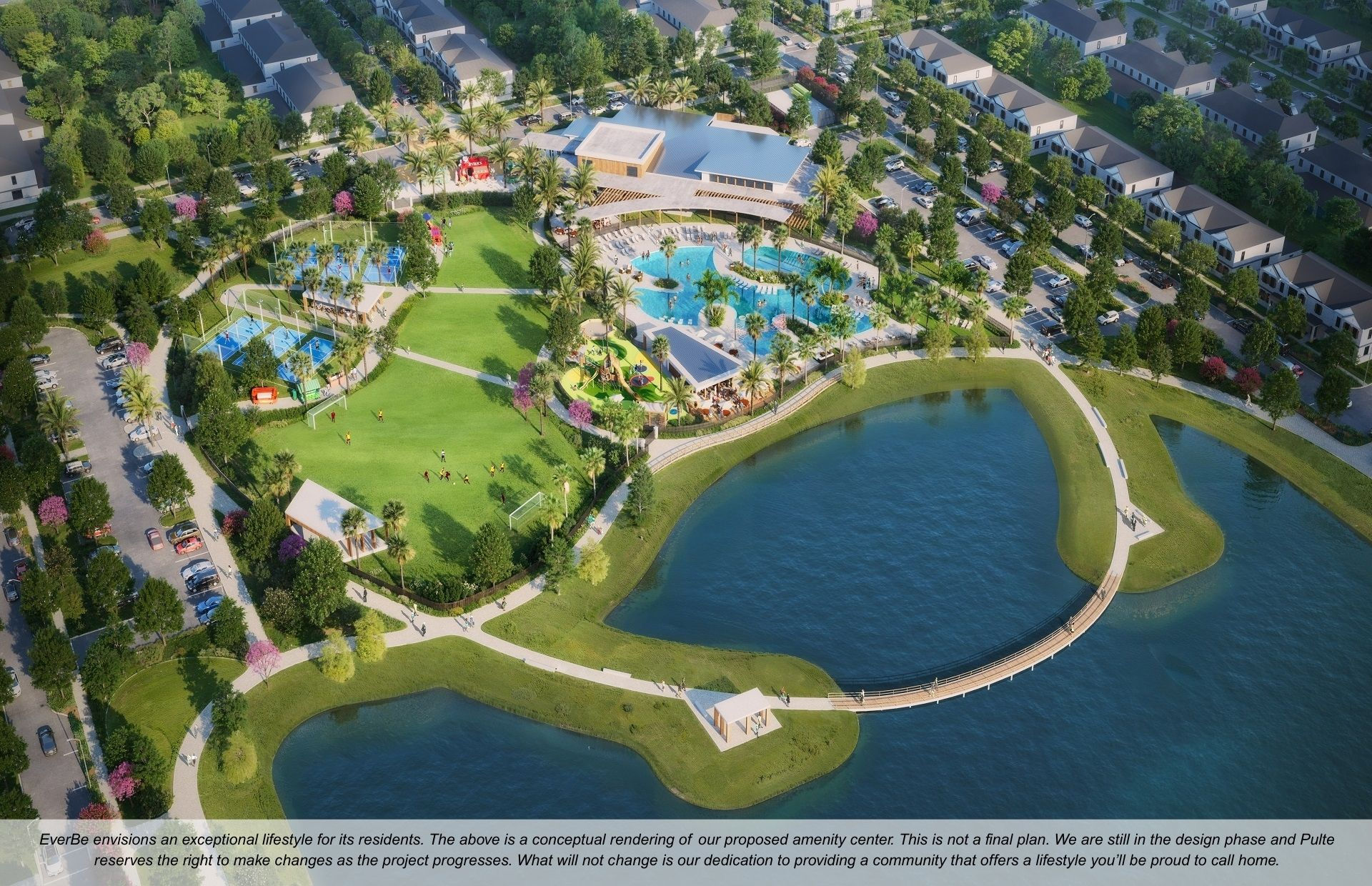
EverBe is a new master-planned community in East Orlando near the SR-417/SR-528 corridor, with Pulte townhome and single-family options and…

EverBe
by Lennar Homes · Orlando
EverBe is a new master-planned community in East Orlando near the SR-417/SR-528 corridor, with Lennar townhome and single-family options an…

Gatherings of Lake Nona
by Beazer Homes · Orlando
The Gatherings® of Lake Nona is Lake Nona's only 55+ active-adult condo community — 216 low-maintenance condos with attached garages, resor…
Same city
More neighborhoods in Orlando
Same cityAudubon Park
Orlando
East Orlando's most walkable neighborhood -- Corrine Drive lined with Michelin-starred restaurants and independent shops, a 50-acre botanic…
 Same city
Baldwin Park
Orlando
Master-planned urban village built on the former Orlando Naval Training Center. Walkable streets, New England architecture, and three lakes.
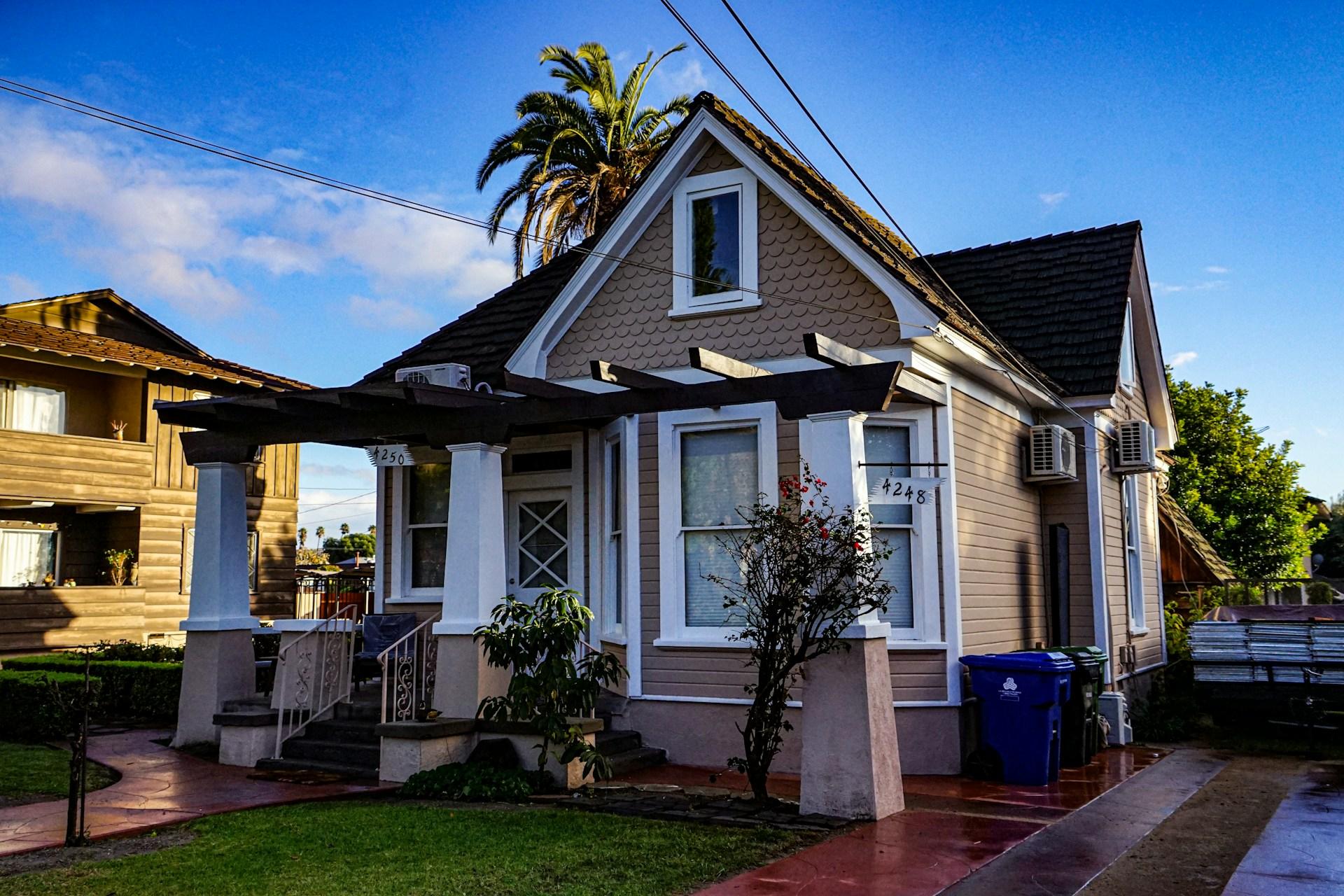 Same city
College Park
Orlando
College Park is one of Orlando's oldest in-town neighborhoods, built in the 1920s on streets named after universities — Princeton, Harvard,…
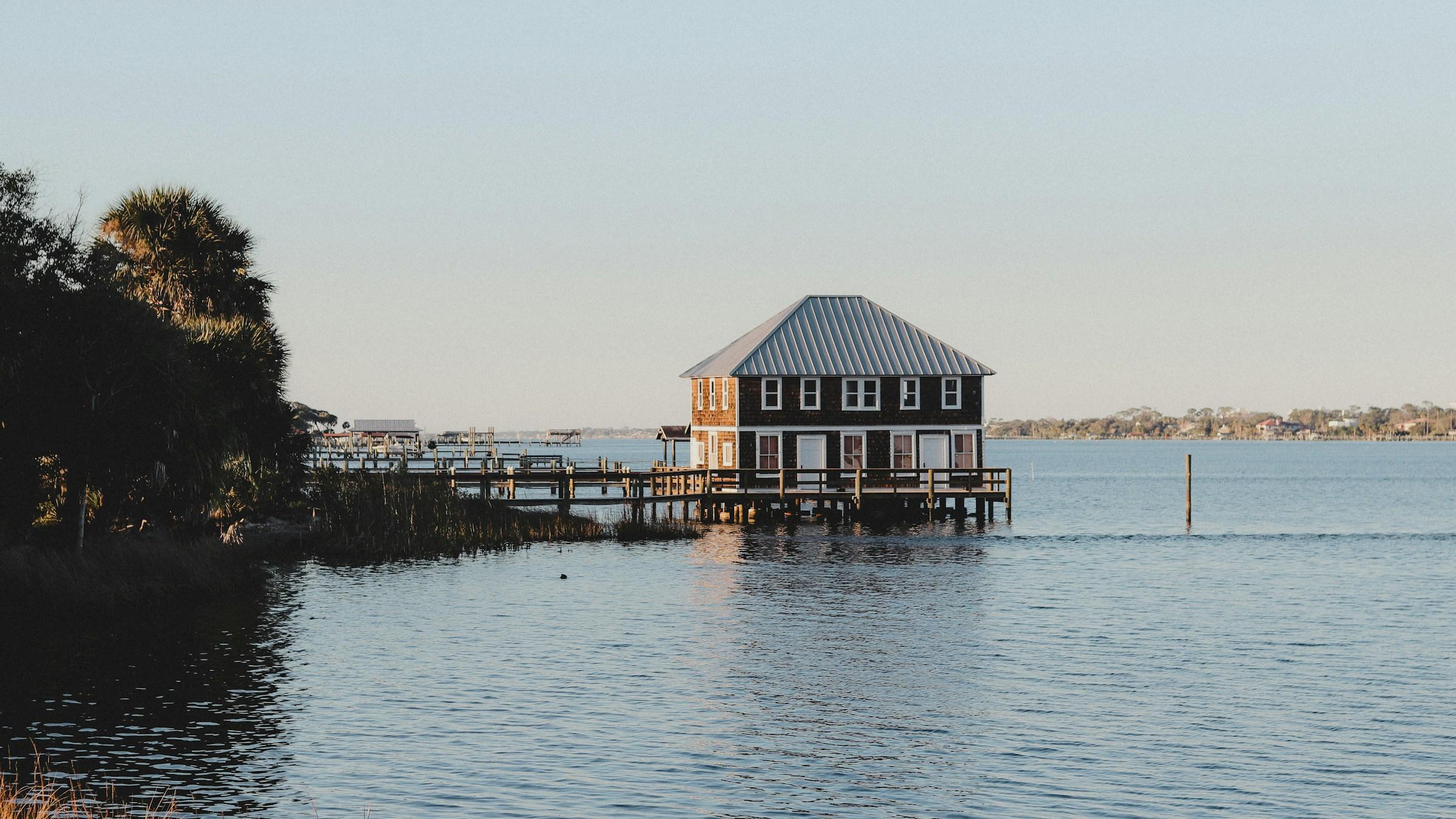 Same city
Conway
Orlando
Conway is southeast Orlando's lake-chain neighborhood — four interconnected motorized-boat lakes totaling nearly 1,800 acres, 10 minutes fr…
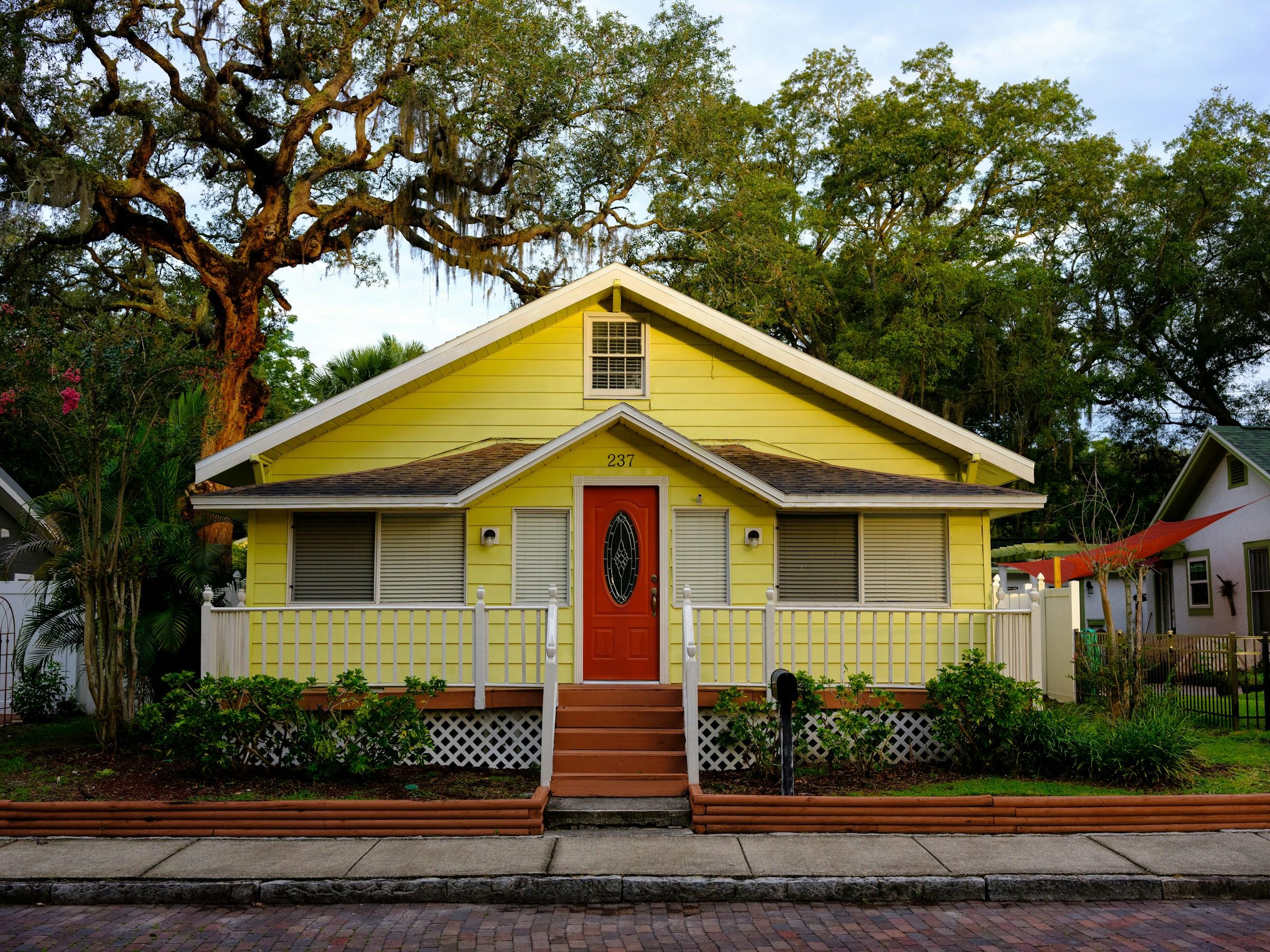 Same city
Delaney Park
Orlando
Delaney Park is one of downtown Orlando's oldest in-town neighborhoods — 1920s craftsman bungalows and Mediterranean revivals on shaded str…
 Same city
Dr. Phillips
Orlando
Established South Orlando community known for gated golf communities, Restaurant Row (Sand Lake Road), and top-rated schools.
Thinking about a home in Lake Eola Heights?
Tell me what you're looking for and I'll send a tailored list with context on each one — schools, flood zones, market timing, the stuff that matters.