
— Community Guide
Virginia Park
Tampa, FL
“Virginia Park is South Tampa's bungalow-and-new-build mix — a 1950s residential neighborhood that sits just steps from Plant High School, one of Florida's top-ranked public schools, and a straight shot to Bayshore Boulevard.”
Plant High district · bungalows + custom builds · South Tampa
What locals love
- Plant High School attendance zone (A-rated, consistent top-10 Florida)
- Mix of 1950s ranch bungalows and new custom construction on teardown lots
- Steps from Bayshore Boulevard — Tampa Bay's 4.5-mile waterfront promenade
- 7 miles from Tampa International Airport
- Generally Zone X (low flood risk) — unusual advantage in coastal Tampa Bay
A brief history
Virginia Park was developed out of pine forest in the 1950s as part of South Tampa's postwar residential expansion. Unlike the brick-street Victorian neighborhoods north of Kennedy Boulevard, Virginia Park was built as a practical, working-family suburb — standard lots, ranch-style construction, and proximity to schools. The neighborhood's character has shifted markedly since the mid-2000s as buyers prioritize the Plant High School attendance zone: teardown lots now regularly trade for $500K-$600K before a shovel breaks ground.
The housing mix
The original housing stock is 1950s-60s ranch homes — typically three bedrooms, two baths, 1,400-1,800 square feet on 7,500-9,000 square foot lots. Alongside them, new custom builds on teardown lots range from 3,000 to 4,500 square feet in Mediterranean revival and transitional contemporary styles. Prices run $600K for a dated original bungalow to $2.5M+ for a fully built-out new construction, with the average sitting near $875K.
Who lives here
Virginia Park draws families relocating from the Northeast and Midwest who run the Plant High School district filter first and work backward from there. Common buyer profile: dual-income couple in their late 30s or early 40s, one parent taking a Tampa Bay corporate or professional position, looking to buy a teardown lot or an updated bungalow within walking distance of Plant. Long-time residents are a mix of retirees who bought original stock in the 1970s-80s and young families who bought in before prices climbed past Hyde Park entry.
Landmarks & things to do
- Plant High School — Florida's top-ranked public high school and the neighborhood's primary draw, directly adjacent on Himes Avenue
- Bayshore Boulevard — the world's longest continuous sidewalk runs 4.5 miles along Tampa Bay, 1-2 miles east of Virginia Park
- Hyde Park Village — 2 miles north, boutique retail and dining (Oxford Exchange, Meat Market)
- SoHo (South Howard Avenue) — Tampa's most active restaurant corridor, under 2 miles north
- Palma Ceia Golf & Country Club — private club in adjacent Palma Ceia neighborhood
- Westshore Plaza and International Plaza — regional retail 5-10 minutes west
- Tampa International Airport — 7 miles northwest; faster from Virginia Park than most of South Tampa
Schools in the area
- 10/10
Coleman Middle School
Hillsborough County Public Schools
- 9/10
Dale Mabry Elementary School
Hillsborough County Public Schools
- 4/10
George S. Middleton High School
Hillsborough County Public Schools
- 10/10
Gorrie Elementary School
Hillsborough County Public Schools
- 10/10
Grady Elementary School
Hillsborough County Public Schools
- 3/10
Graham Elementary School
Hillsborough County Public Schools
- 8/10
Henry B. Plant High School
Hillsborough County Public Schools
- 3/10
Hillsborough High School
Hillsborough County Public Schools
LaVoy Exceptional Center
Hillsborough County Public Schools
- 9/10
Mabry Elementary School
Hillsborough County Public Schools
- 2/10
Memorial Middle School
Hillsborough County Public Schools
- 8/10
Mitchell Elementary School
Hillsborough County Public Schools
- 8/10
Plant High School
Hillsborough County Public Schools
- 10/10
Roosevelt Elementary School
Hillsborough County Public Schools
- 3/10
Seminole Heights Elementary School
Hillsborough County Public Schools
- 5/10
Tampa Bay Technical High School
Hillsborough County Public Schools
- 3/10
Tampa Heights Elementary Magnet School
Hillsborough County Public Schools
- 9/10
Wilson Middle School
Hillsborough County Public Schools
Frequently asked about Virginia Park
Is Virginia Park in the Plant High School attendance zone?
Yes — Plant High School is the zoned high school for Virginia Park. Plant High consistently earns an A rating from the Florida Department of Education and is regularly ranked among Florida's top public high schools. The feeder path is Mabry Elementary or Roosevelt Elementary, then Coleman Middle School, then Plant High. Confirm your specific address attendance zone at mysdhc.org before purchasing — zone boundaries can shift.
What is the flood zone situation in Virginia Park?
Most Virginia Park homes fall in FEMA Zone X — minimal flood risk — meaning flood insurance is not required by lenders and is inexpensive if purchased voluntarily. This is a genuine financial advantage over waterfront-adjacent South Tampa neighborhoods (Davis Islands, Bayshore Beautiful, Hyde Park near the bay) where AE or VE flood zone designations are common and insurance costs run $2,000-$5,000+ per year. That said, some parcels near the Manhattan Avenue drainage corridor may be in AE zone. Verify the specific property's flood designation before making an offer.
What kind of homes are in Virginia Park?
Virginia Park has two distinct housing generations: original 1950s-60s ranch bungalows (3BR/2BA, roughly 1,400-1,800 SF) and new custom construction on teardown lots (3,000-4,500+ SF, Mediterranean revival or transitional contemporary styles). Teardowns are active — a dated 1950s ranch typically trades for land value in the $500K-$650K range. Updated originals sell in the $700K-$900K range; new builds push past $1.5M-$2.5M depending on size and finishes.
How does Virginia Park compare to Hyde Park or Palma Ceia?
Hyde Park is the higher-prestige address — historic homes on brick streets, closer to the bay, with prices running $200K-$400K higher for comparable lot sizes. Palma Ceia directly adjoins Virginia Park to the east and overlaps in pricing; the primary Palma Ceia draw is the private golf and country club. Virginia Park sits slightly below both in price-per-square-foot while sharing the Plant High School zone and access to Bayshore Boulevard — which is why it attracts budget-conscious buyers in the same school-zone hunt.
What is the Virginia Park real estate market like in 2026?
Virginia Park is an active but thin market — typically 20-30 homes listed at any time. Median prices are in the $875K range based on early-2026 data, with a wide spread from $600K entry-level to $2.5M+ for turnkey new construction. Days on market average around 45, with well-priced Plant district properties moving faster than the South Tampa average. The teardown market is competitive — land buyers often make cash offers before properties hit MLS.
Nearby
Other communities you might like
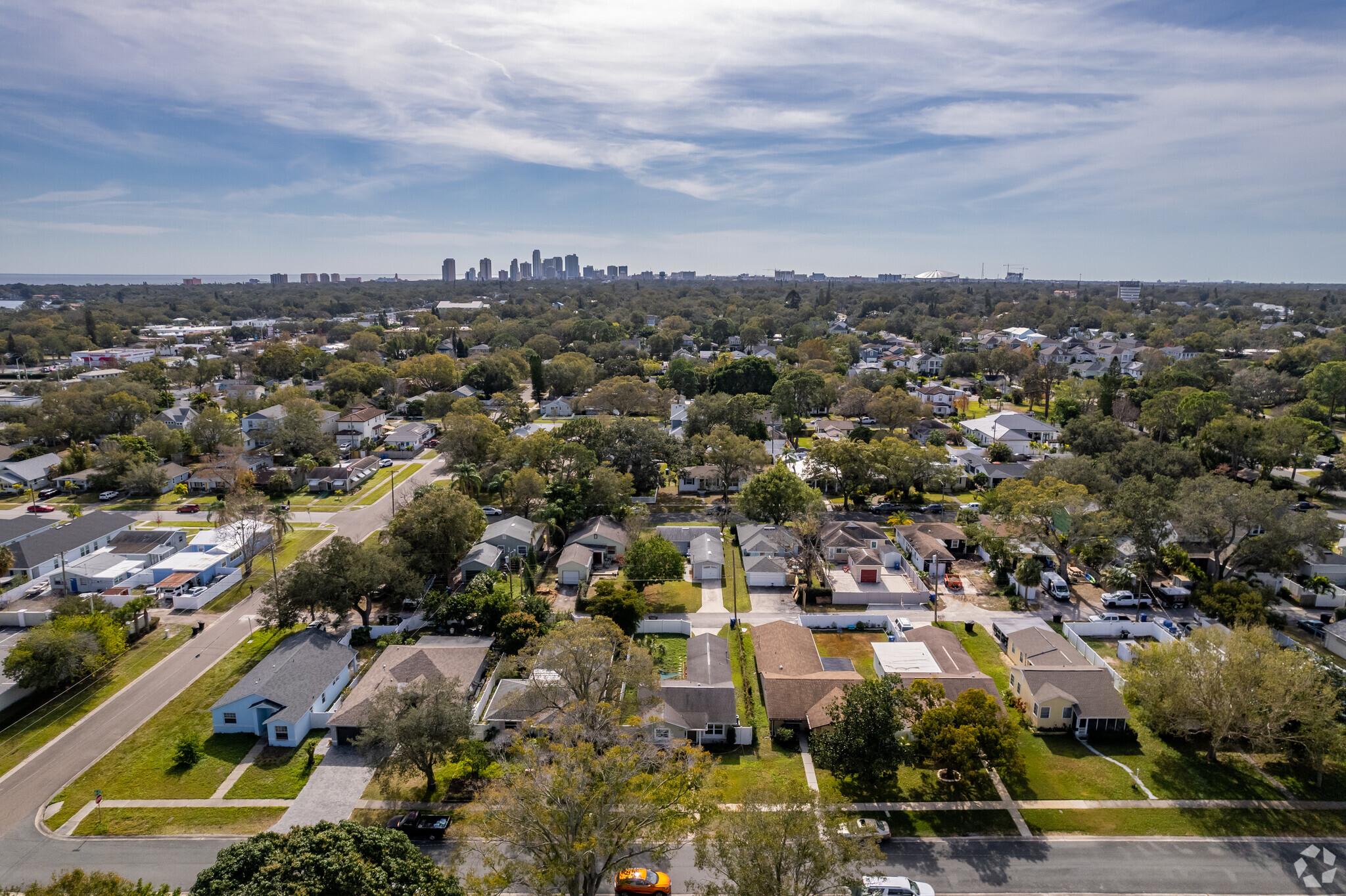
Allendale Terrace
St. Petersburg
Cobblestone brick streets, estate-scale lots, and 1920s Mediterranean and Tudor homes on high ground north of Crescent Lake.
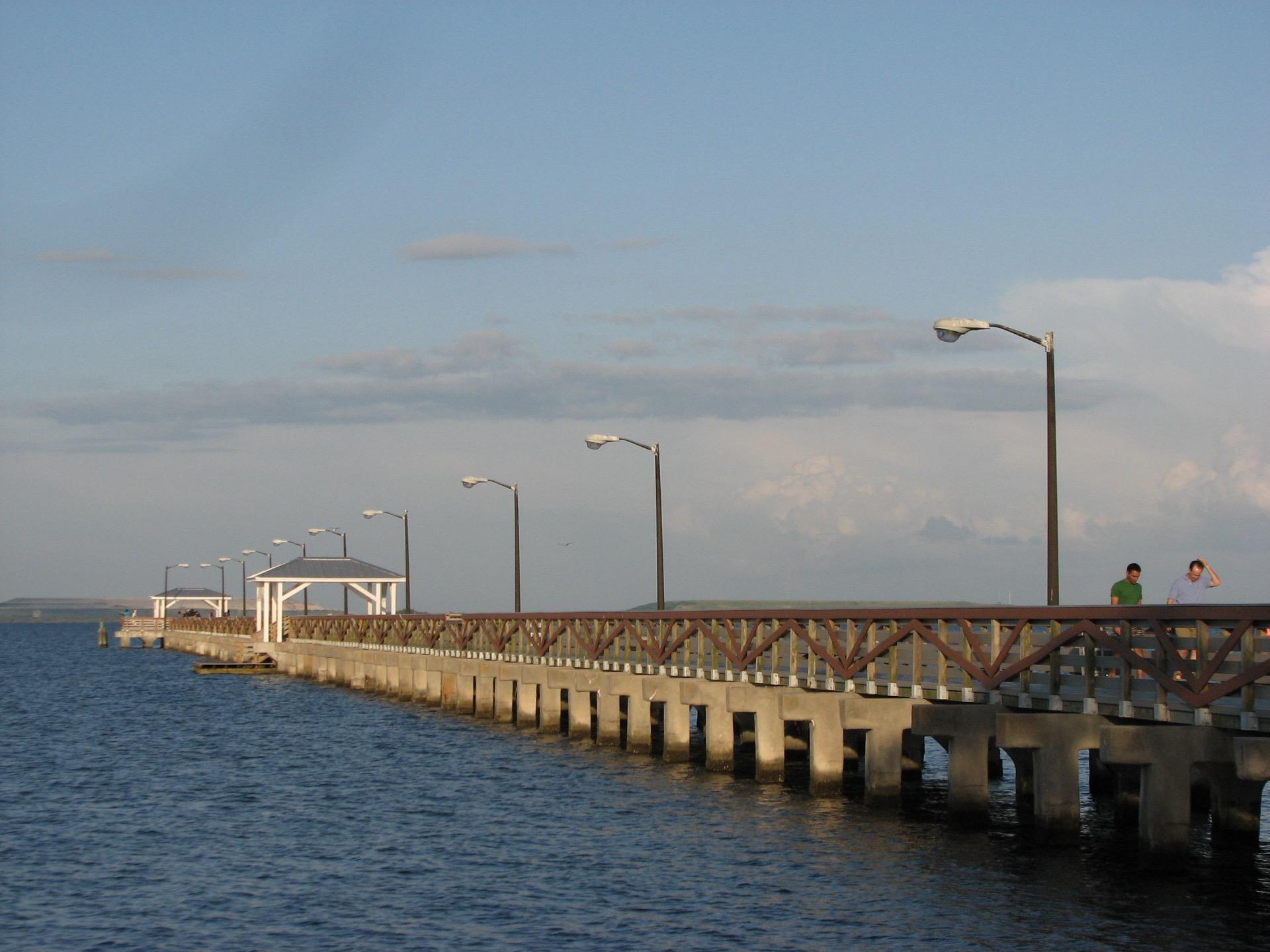
Ballast Point
Tampa
Ballast Point sits at the southern tip of South Tampa — 1.7 square miles of live-oak-canopied streets between Hillsborough Bay and MacDill Air Force Base, anchored by a 600-foot pier that's been drawing anglers and sunset-seekers since the 1890s.
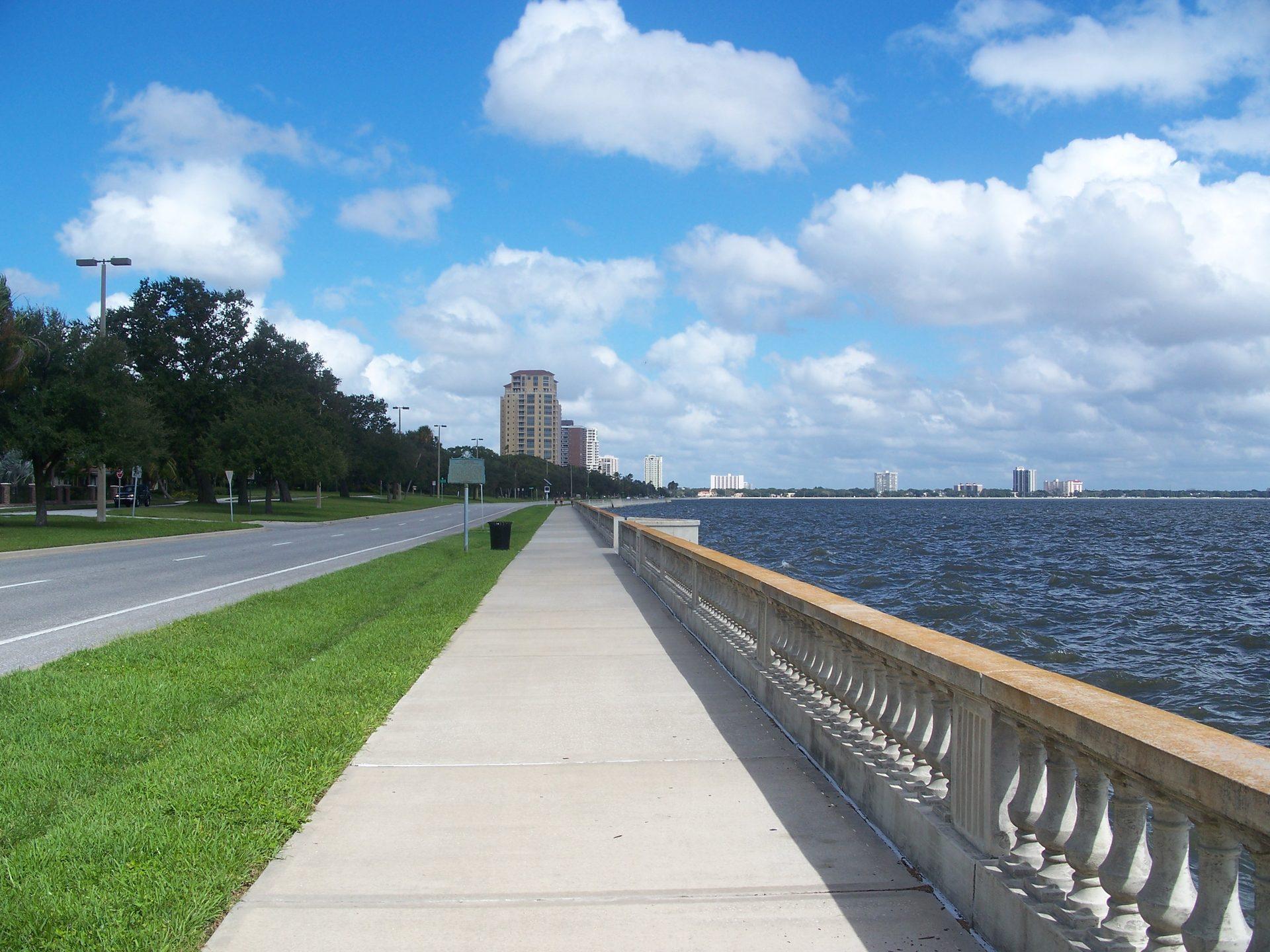
Bayshore Beautiful
Tampa
Bayshore Beautiful lines the eastern shore of South Tampa along Hillsborough Bay — stately homes from the 1920s and 1940s on canopied streets a short walk from one of the longest continuous sidewalks in the United States.
Where Virginia Park is
Tampa, FL
In this area
Schools nearby
 Nearby
Dale Mabry Elementary School
Hillsborough County Public Schools
George S. Middleton High School
Hillsborough County Public Schools
NearbyGorrie Elementary School
Hillsborough County Public Schools
NearbyGrady Elementary School
Hillsborough County Public Schools
Nearby Nearby
Graham Elementary School
Hillsborough County Public Schools
Coleman Middle School
Hillsborough County Public Schools
NearbySame city
More neighborhoods in Tampa
Same cityBallast Point
Tampa
Ballast Point sits at the southern tip of South Tampa — 1.7 square miles of live-oak-canopied streets between Hillsborough Bay and MacDill…
Same cityBayshore Beautiful
Tampa
Bayshore Beautiful lines the eastern shore of South Tampa along Hillsborough Bay — stately homes from the 1920s and 1940s on canopied stree…
Carrollwood
Tampa
Carrollwood is northwest Tampa's most established suburban neighborhood -- a community built around Lake Carroll, a 210-acre private motorb…
Same city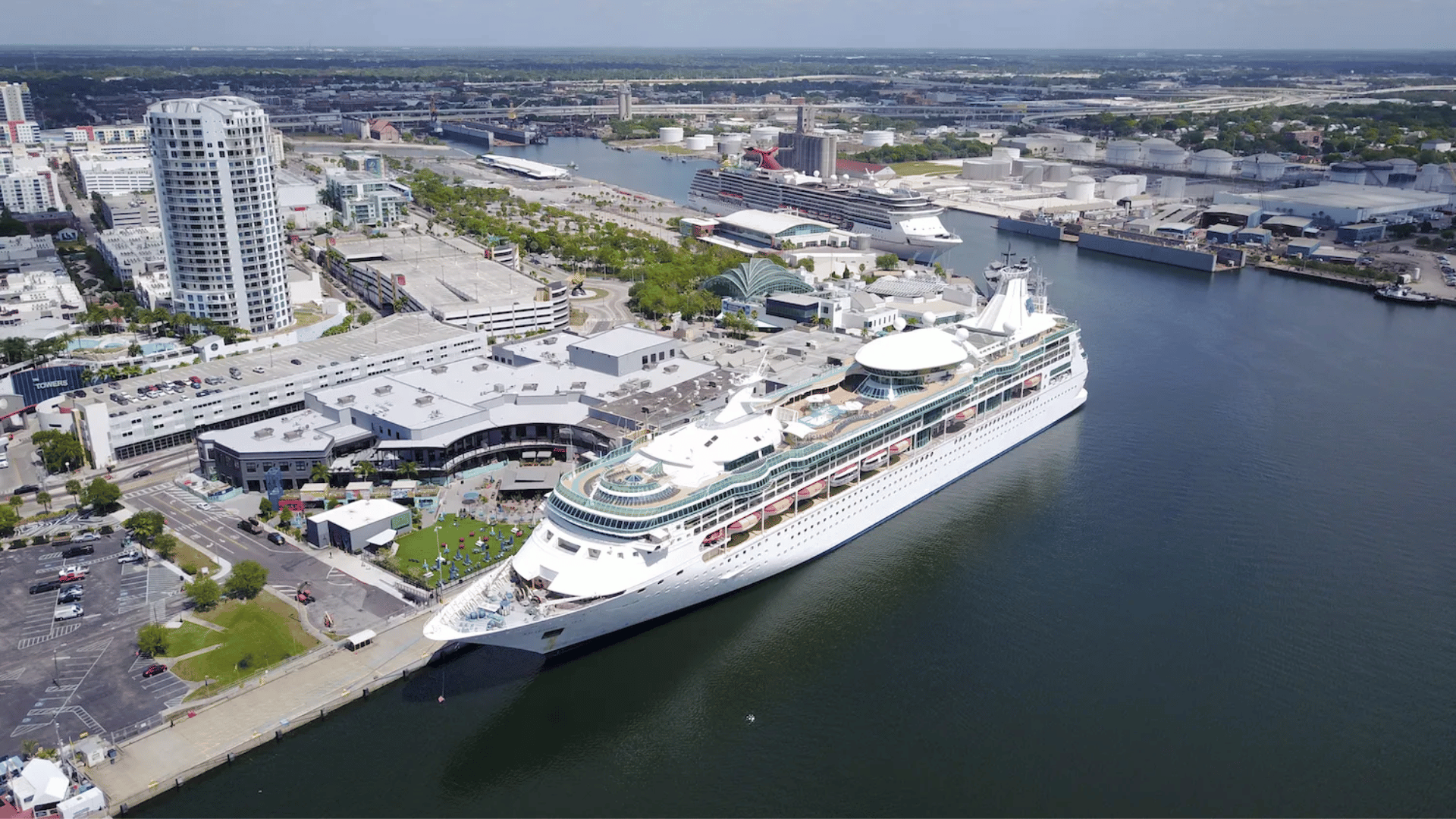 Same city
Channelside
Tampa
Downtown Tampa's waterfront high-rise district. Riverwalk access, Amalie Arena, Water Street development, and a fast-growing urban core.
 Same city
Culbreath Isles
Tampa
Culbreath Isles is one of South Tampa's most exclusive addresses — a 24-hour-gated enclave of fewer than 200 homes on Old Tampa Bay, where…
 Same city
Davis Islands
Tampa
Davis Islands is Tampa's only true island neighborhood — two man-made islands built from dredged Tampa Bay mud in the 1920s, connected to d…
Thinking about a home in Virginia Park?
Tell me what you're looking for and I'll send a tailored list with context on each one — schools, flood zones, market timing, the stuff that matters.